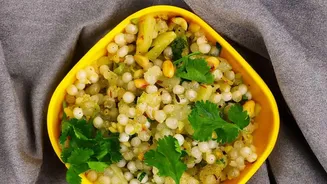








The Goodness of Samak
Samak, or barnyard millet, is a small but mighty grain often called 'vrat ke chawal' (rice for fasting). It's naturally gluten-free and celebrated for its impressive nutritional profile. Rich in dietary fibre, it aids digestion and promotes a feeling
of fullness. It's also a notable source of essential minerals like iron and magnesium. Primarily, samak serves as an excellent source of complex carbohydrates, which are the body's main fuel for energy. Its low glycemic index means it releases sugar into the bloodstream slowly, providing sustained energy without the spikes associated with refined grains.
What 'Balance' Means on Your Plate
We often hear the term 'balanced meal', but what does it actually mean? In simple terms, a balanced meal provides all the essential macronutrients your body needs to function optimally: carbohydrates, proteins, and fats. Carbohydrates provide energy, protein is crucial for building and repairing tissues, and fats help in absorbing vitamins. A meal that leans too heavily on one macronutrient, like carbohydrates, might give you a quick energy boost but can leave you feeling hungry again sooner. The goal is a synergistic combination that provides both immediate and lasting nourishment.
The Limitation of a Plain Millet Meal
While samak is undoubtedly nutritious, a dish made from the millet alone is predominantly a source of carbohydrates. A typical 100g serving of barnyard millet contains around 65-68g of carbohydrates but a more modest 8-11g of protein. While this protein content is good for a grain, it isn't sufficient to make it a complete meal on its own. Relying solely on the millet means you are missing a significant protein component. This can lead to quicker digestion, a faster return of hunger, and a less-than-optimal muscle repair and maintenance process.
Paneer: The Protein Power-Up
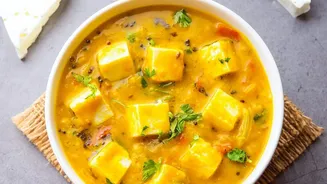
This is where paneer, or Indian cottage cheese, makes its grand entrance. Paneer is a powerhouse of high-quality protein. A 100g serving can pack a substantial 18-21 grams of protein, making it a favourite among vegetarians. Importantly, it is a 'complete protein', meaning it contains all nine essential amino acids your body cannot produce on its own. Beyond protein, paneer is also a rich source of calcium for bone health, healthy fats that aid in satiety, and minerals like phosphorus and magnesium.
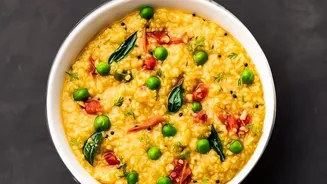
A Match Made in a Khichdi Pot
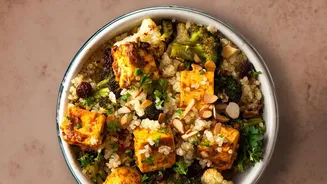
When you combine samak and paneer, you create a nutritionally synergistic meal. The carbohydrates from the samak provide the energy, while the protein from the paneer works to balance the meal. Protein slows down the digestion of carbohydrates, which helps in moderating blood sugar levels and preventing a post-meal energy crash. This combination ensures you feel full and satisfied for a much longer period, a significant advantage, especially during long fasting days. The meal is no longer just a source of carbs but a complete package providing energy, building blocks for your body, and prolonged satiety.
More Than Just Balanced
The benefits of this pairing extend beyond macronutrient balance. The high fibre from the samak and the rich protein and fat content from the paneer work together to keep you feeling satiated, helping with appetite regulation. The combination also delivers a wider array of micronutrients. You get iron from the millet and a significant dose of bone-strengthening calcium and phosphorus from the paneer. This simple upgrade turns a traditional fasting food into a well-rounded, nutrient-dense meal suitable for any day of the week, supporting everything from muscle health to sustained energy levels.