






The Promise vs. The Reality
We’ve all been there. You arrive home from the grocery store, armed with virtuous bags of frozen broccoli, peas, and spinach. These are the building blocks of future you’s healthy, lightning-fast weeknight dinners. You stuff them into the freezer, feeling
accomplished. A month later, you’re staring into that same freezer, a frozen wasteland where half-empty bags spill their contents and mystery items coated in ice crystals lie buried. The convenience you paid for is gone, lost to the chaos. The truth is, frozen vegetables are only convenient if you can find them and use them. Their potential to simplify meals and reduce food waste hinges entirely on a bit of upfront organization—a system that makes your freezer work for you, not against you.
Embrace the First-In, First-Out Rule
The single most effective principle for managing any pantry or freezer is 'First In, First Out,' or FIFO. This simple inventory rule, used by restaurants and grocery stores, ensures that older items get used before newer ones. To apply this at home, always place newly purchased frozen vegetables at the back of the freezer or at the bottom of a bin. Keep the older items front and center. This rotation prevents bags from getting lost in the back and expiring, which saves money and prevents waste. A quick scan before you shop can also help you take stock of what you already have, preventing you from buying duplicates.
Create Dedicated Freezer Zones
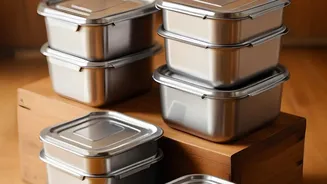
A chaotic, one-size-fits-all freezer is a recipe for disaster. The solution is to create dedicated zones for different categories of food. Designate specific shelves or bins for vegetables, fruits, meats, and prepared meals. You can use clear, stackable bins or even simple baskets to keep like items together. This method transforms your freezer from a jumbled mess into a tidy library of food. When you need frozen corn for a soup, you'll know exactly which bin to pull out, rather than digging through bags of chicken and mystery leftovers. Labeling each bin is a pro move that makes the system even more efficient for you and anyone else in your household.
Ditch Bulky Packaging for Better Storage
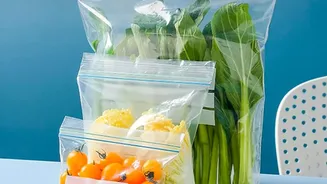
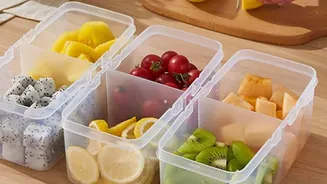
The original bags that frozen vegetables come in are often bulky, awkwardly shaped, and prone to spilling once opened. To maximize space and maintain order, consider repackaging. Transfer vegetables into uniform, reusable freezer-safe bags or containers. This allows for neat, vertical stacking, almost like filing books on a shelf. When sealing bags, press out as much air as possible to help prevent freezer burn and save space. Don’t forget to label each new bag or container with the contents and the date you froze it. It might seem like an extra step, but it takes seconds and will save you from a frustrating guessing game later.
Keep an Inventory to Stay Ahead
For those who want to take their freezer discipline to the next level, an inventory list is a game-changer. This doesn't have to be complicated. A simple whiteboard on the freezer door or a note on your phone will do. List the items you have, and get into the habit of erasing them as you use them up. An inventory gives you an at-a-glance view of your meal-prep potential, inspiring you to use what you have. It makes grocery planning more efficient and drastically reduces the chances of buying a third bag of green beans when you already have two hiding in the back.