







An Unpredictable Lifeline
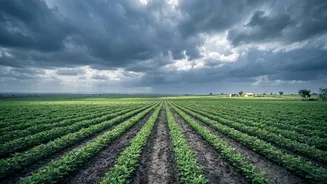
For India’s farmers, the monsoon is everything. But this year, its performance in Karnataka has been patchy and unpredictable. Key onion-growing regions have grappled with prolonged dry spells followed by intense, but inadequate, bursts of rain. This
uneven distribution is particularly damaging for the onion crop. Onions require consistent moisture during their growth phase, which typically begins with sowing in June and July. The deficient rainfall during this critical period meant that many farmers who rely on rain for irrigation couldn't sow their crops at the usual scale. Even those with borewells found them running dry in the semi-arid regions of North Karnataka, leading to widespread crop failure.
The View from the Fields
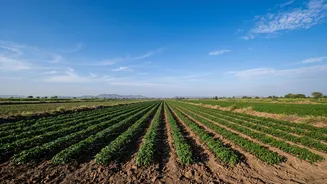
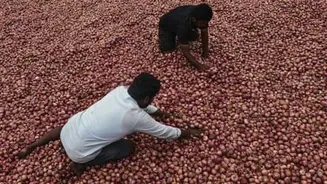
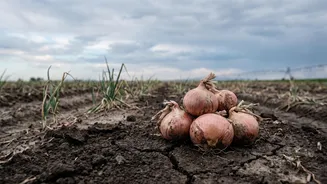
In the major onion belts of Chitradurga, Gadag, Bagalkot, and Vijayapura, the situation is grim. Farmers are reporting significant losses. According to the Karnataka State Onion Farmers Association, the lack of rain has been severe, forcing some to invest heavily in expensive drip irrigation systems. The intense heat has also damaged the bulbs, causing them to be smaller and reducing overall yields drastically. In a normal season, a farmer might expect to harvest 75-80 quintals per acre; this year, many are seeing yields as low as 25-30 quintals. In some areas like Vijayanagara, the land dedicated to onion cultivation has been slashed by nearly half due to water scarcity. This has left many of the state’s 2.5 million onion growers staring at a season of immense financial distress.
A Looming Price Pinch for Consumers
The troubles on the farm are quickly translating to concerns at the market. Karnataka is a major supplier of onions, and a drop in its output has a direct impact on national supply chains. With an expected crop loss of around 40% and a potential 37% drop in the national kharif acreage, the supply squeeze is already being felt. Wholesale prices have begun to climb, with retail prices following suit, jumping from around ₹30 per kilogram to over ₹60 in just a few weeks in some areas. Traders warn that if supplies don't improve, prices could potentially touch ₹100 per kg during the upcoming festive season. To stabilize the situation, Karnataka is currently relying on stored onions from Maharashtra and Madhya Pradesh, but this is a temporary solution that also comes with higher transportation costs.
Why This Matters for Your Kitchen
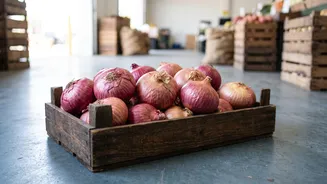
The onion is more than just a vegetable in India; it's a fundamental ingredient that forms the base of countless daily meals. Its price is a sensitive barometer of household expenses. When onion prices spike, it puts a direct strain on family budgets, forcing people to either cut back on consumption or reallocate spending from other essentials. The impact extends beyond homes to hotels and restaurants, which are already feeling the pinch from rising costs of multiple commodities and may be forced to increase menu prices. The government has started releasing buffer stocks at subsidized rates in some cities to cool prices, but with a significant portion of the fresh crop delayed until at least November, these measures may only offer temporary relief.
A Sign of a Larger Challenge
This year's onion crisis in Karnataka is not an isolated event but a symptom of a larger, more worrying trend. Climate variability, marked by erratic monsoons and extreme weather events, is becoming the new normal for Indian agriculture. The situation highlights the vulnerability of rain-fed farming systems and the urgent need for more resilient agricultural practices. This includes better water management, wider adoption of drought-resistant crop varieties, and improved government support systems, such as more effective crop insurance and better storage facilities to reduce post-harvest losses. Without these long-term solutions, the cycle of crop failure, farmer distress, and consumer price shocks is likely to become more frequent.