






What is a Quantum Computer Anyway?
Before diving into its significance, let's demystify the technology. A classical computer, like the one in your phone or laptop, uses 'bits' to process information. A bit is a simple switch that can be either a 0 or a 1. A quantum computer, however, uses 'qubits'.
Thanks to the principles of quantum mechanics, a qubit can be a 0, a 1, or both at the same time—a state known as superposition. Furthermore, qubits can be 'entangled', meaning their fates are linked, no matter how far apart they are. This allows quantum computers to explore a vast number of possibilities simultaneously, making them exceptionally powerful for solving specific complex problems—like designing new drugs, creating novel materials, and breaking advanced encryption—that would take a traditional supercomputer centuries to crack.
The Significance of an 8-Qubit Machine
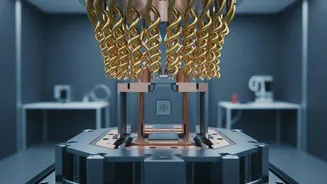
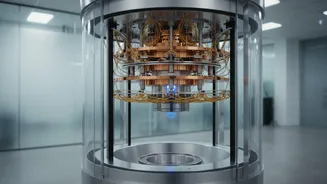
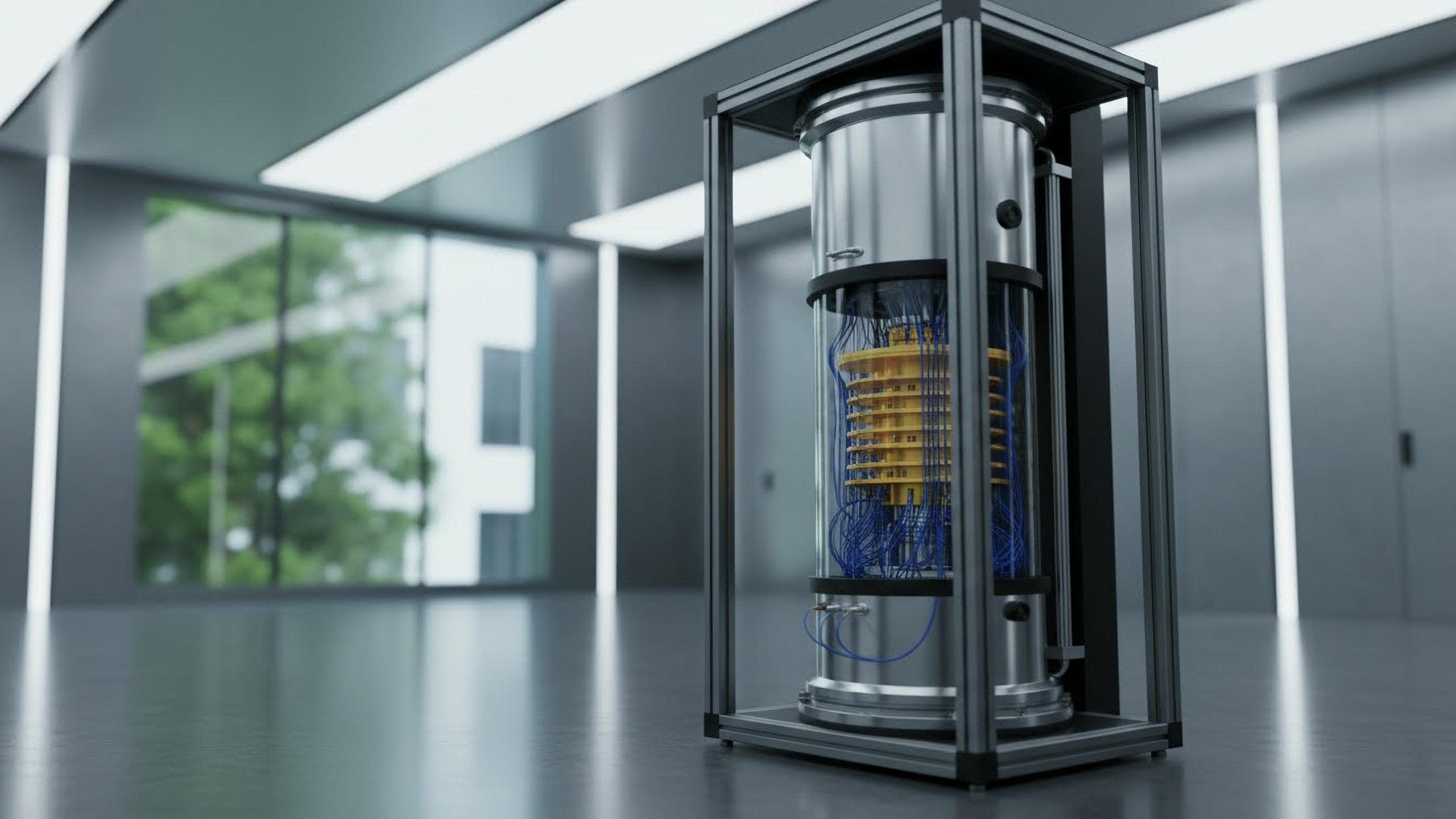
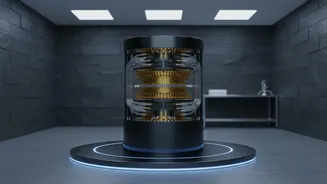
The new facility, named AU QUASAR, is a partnership between quantum startup QpiAI and Alliance University, located at its Electronics City campus. The heart of this centre is an 8-qubit superconducting quantum computer. While global tech giants are building machines with hundreds or even thousands of qubits, an 8-qubit system is a crucial starting point for India. It represents a significant step beyond cloud-based simulators and provides what the ecosystem has desperately needed: direct, hands-on access to indigenous quantum hardware. This allows students, researchers, and companies to run experiments, test algorithms, and validate concepts on a real machine, bridging the gap between theoretical knowledge and practical application. The facility is a key development aligned with the goals of India's National Quantum Mission (NQM).
From Access to a Thriving Ecosystem
The launch of the Bengaluru facility turns the focus from simply having a machine to a more profound question: What else is needed? A single computer, no matter how advanced, doesn't create an industry. The real challenge, as the headline suggests, is building the entire ecosystem. This includes several key pillars. First is a skilled talent pipeline. The centre at Alliance University aims to address this by integrating quantum computing into degree programmes and offering industry certifications. Second is fostering a vibrant startup culture. By providing affordable access, the facility allows small companies and entrepreneurs to experiment without the prohibitive cost of building or buying their own quantum hardware. Companies like BosonQ Psi, another Bengaluru-based startup, are already developing quantum-powered software for engineering simulations.
The National Ambition and Remaining Hurdles
This local development is part of a much larger national strategy. The Indian government launched the National Quantum Mission (NQM) in 2023, a landmark initiative with a budget of over Rs 6,000 crore to be spent through 2031. The mission's ambitious goals include developing quantum computers with 50 to 1,000 qubits, building secure quantum communication networks, and creating advanced quantum sensors. The NQM aims to make India a leading nation in quantum technology, fostering both scientific research and industrial development. However, significant hurdles remain. India still faces challenges in developing cryogenic infrastructure, reducing dependency on foreign fabrication facilities for chips, and cultivating high-end hardware talent. Creating a self-reliant quantum ecosystem requires sustained investment not just in showcase machines, but in the foundational research, manufacturing capabilities, and human expertise that support them.