


More Than Just a Pan, It's a Project
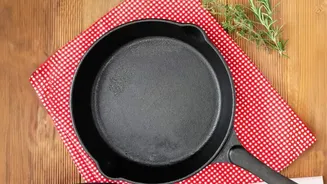
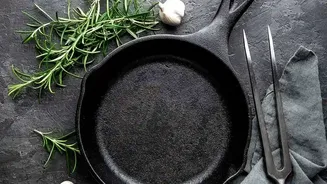
Unlike a stainless steel or non-stick pan that you buy and use, a cast-iron pan is something you build. Its most prized feature—a slick, non-stick surface—isn't manufactured; it's earned. This surface is called 'seasoning,' and it has nothing to do with
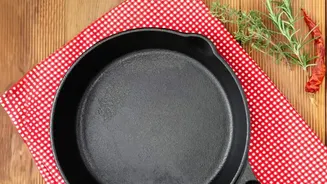
salt and pepper. Seasoning is the result of oil baked onto the iron, creating a hard, protective layer through a process called polymerization. When you heat oil past its smoke point, it breaks down and chemically bonds with the metal, filling in the microscopic pores of the iron's surface. Each time you cook with fats or oils, you contribute to this layer, making the pan smoother, more non-stick, and better protected against rust.
The Snowball Effect of Seasoning
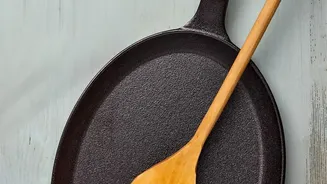
Think of your cast-iron pan's surface as a living thing. A new pan, even one that comes 'pre-seasoned' from the factory, has only a foundational layer. It's a good start, but the true, deep black, glossy finish of a veteran pan comes from repeated use. Cooking adds micro-layers of polymerized oil that build on each other. Frying potatoes, searing paneer, or making a tadka all contribute to this cumulative effect. The more you cook, the better the seasoning becomes. The better the seasoning, the more non-stick the pan is. And the more non-stick it is, the more you'll want to use it. It's a virtuous cycle where frequent use is rewarded with better performance, turning a good pan into a great one.
What Does 'Frequent Use' Actually Mean?
Frequent use doesn't mean you must use your cast-iron pan for every single meal. The goal is consistency. Using it a few times a week is enough to maintain and build its seasoning. The key is to choose the right tasks, especially when the pan is new. Start with dishes that involve a good amount of oil or fat. Sautéing vegetables, pan-frying chicken, or cooking fatty meats are excellent choices. For an Indian kitchen, it's perfect for making crispy dosas, uttapam, or searing kebabs, all of which help develop that coveted surface. Avoid cooking highly acidic foods like tomato-based curries or dishes with a lot of vinegar for long periods, especially in a new pan, as the acid can break down the fragile seasoning.
The True Cost of a Neglected Pan
A cast-iron pan sitting unused in a cupboard isn't just dormant; it's regressing. Without regular heating and oiling, it becomes vulnerable to its primary enemy: rust. Moisture in the air is enough to cause rust spots on a poorly maintained or unused pan. The seasoning doesn't develop, and the pan remains a heavy, cumbersome object that feels like a chore to use. Instead of becoming a reliable kitchen workhorse, it becomes a problem to be solved. You have to scrub off rust and potentially re-season it from scratch—a process that could have been avoided with regular cooking. The value isn't in its potential, but in its active participation in your kitchen.
From Cupboard Dweller to Kitchen Star
To unlock your pan's value, integrate it into your weekly cooking routine. Clean it correctly after each use: use hot water and a brush, avoiding harsh soaps until the seasoning is well-established. Most importantly, dry it thoroughly. The best way to do this is to place it back on the stove over low heat for a minute or two until all moisture evaporates. While it's still warm, wipe a very thin layer of cooking oil on the interior surface with a paper towel. It should look matte, not greasy. This simple, two-minute ritual after each use is the single best thing you can do to protect your pan and continuously improve its performance, ensuring it gets better with every meal you make.