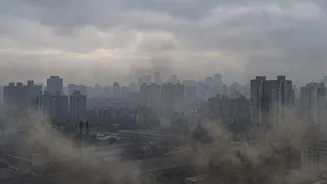




The Invisible Enemy in the Air
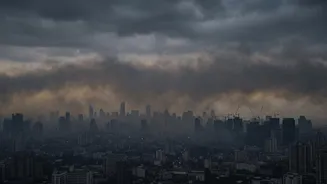
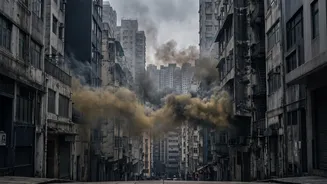
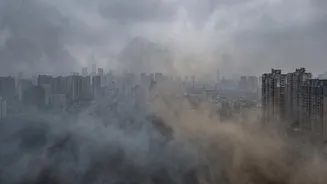
When we talk about smog, we're discussing a complex and toxic mix of gases and particles. The most dangerous component is something you cannot see: fine particulate matter, or PM2.5. These are microscopic particles, about 30 times smaller than the width
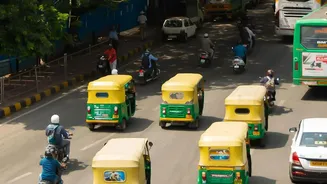
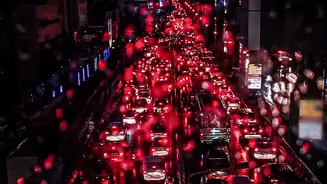
of a human hair, originating from vehicle exhaust, industrial emissions, construction dust, and seasonal crop burning. Because of their minuscule size, they easily bypass the body's natural filters like nose hairs and mucus, which are designed to trap larger particles. This allows them to travel deep into the respiratory system, reaching the furthest corners of the lungs where they can lodge themselves and cause significant harm. The World Health Organization (WHO) has classified outdoor air pollution, and specifically PM2.5, as a Group 1 carcinogen, placing it in the same high-risk category as asbestos and tobacco smoke.
How Pollution Triggers Cancer
Once these PM2.5 particles are embedded deep in the lungs, they don't just sit there. They trigger a persistent state of inflammation. Think of it as the body constantly trying, and failing, to heal a wound that is perpetually being irritated. This chronic inflammation can damage the DNA within lung cells. Over time, this sustained damage can cause mutations in the very genes that control cell growth. Some research suggests that PM2.5 exposure promotes cancer by 'waking up' dormant cells that already have pre-existing mutations. These particles essentially create a fertile ground for cancer to develop, either by directly damaging DNA or by promoting the growth of cells that have already been compromised. One study found that PM2.5 can even suppress the immune system's natural defenders, called T-cells, preventing them from reaching and destroying nascent tumour cells.
A Rising Risk for Non-Smokers
For decades, lung cancer was almost exclusively viewed as a 'smoker's disease'. Air pollution has fundamentally changed this understanding. A significant and growing number of lung cancer cases are now being diagnosed in people who have never smoked, and environmental exposure is a primary culprit. In India, up to one in four lung cancer cases now occur in non-smokers. This is particularly true for adenocarcinoma, a specific subtype of lung cancer that is increasingly being linked to pollution. Studies show that the risk of developing lung cancer increases significantly with long-term exposure to PM2.5, even after accounting for smoking habits. For every 10 µg/m³ increase in PM2.5 concentration, the risk of dying from lung cancer can rise by as much as 8-15%. In cities like Delhi, where PM2.5 levels can be many times higher than WHO safety guidelines, this presents a massive public health crisis.
Rethinking Lung Cancer as a Public Health Issue
The established link between air pollution and lung cancer forces us to reframe the disease. It is not just the outcome of individual lifestyle choices but a consequence of the environment we are forced to live in. The health burden falls disproportionately on those living in low- and middle-income countries, where 89% of premature deaths related to outdoor air pollution occur. The WHO's South-East Asia region, which includes India, is one of the most heavily affected areas. This reality underscores the urgent need for systemic change, from stronger emissions standards for vehicles and industry to better waste management and a transition to cleaner energy sources. While individual protective measures like wearing N95 masks or using air purifiers can help reduce exposure, they are not a substitute for robust public policy aimed at cleaning the air for everyone. The fight against lung cancer is now inextricably linked to the fight for clean air.