









A Foundation for Total Well-Being
Movement is fundamental to human health, yet modern lifestyles often encourage us to be still. The truth is, our bodies are designed to move. Inactivity has been linked to a higher risk for around 35 chronic conditions. Regular physical activity does
more than just strengthen muscles; it improves cardiovascular health, helps regulate blood sugar, and boosts the immune system. Think of it less as a chore and more as essential maintenance for your entire system. From improving circulation to reducing the risk of conditions like heart disease and type 2 diabetes, every step, stretch, and cycle contributes to a healthier life.
Fueling Your Brain for a Sharper Mind
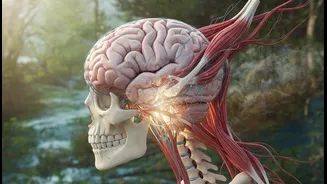
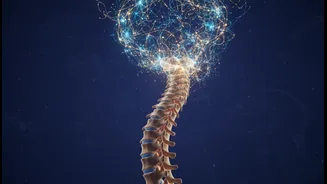
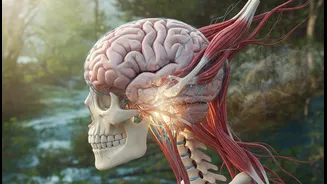
Physical activity is one of the most powerful tools for maintaining brain health as you age. When you move, you increase blood flow to the brain, which supports better cognitive function, including memory, focus, and problem-solving skills. Research shows that regular aerobic exercise is associated with a larger hippocampus, the brain's memory centre. Furthermore, physical activity stimulates the production of factors that support the growth and survival of neurons, effectively helping to protect your brain from age-related decline. Studies indicate that physically active individuals have a lower risk of developing dementia and can slow cognitive ageing.
Building a Stronger Skeleton
Our bones are living tissues that respond to the demands placed upon them. Weight-bearing activities—like walking, jogging, dancing, or even climbing stairs—work your bones against gravity, signalling them to become stronger and denser. This process is crucial throughout life. In youth, it helps build a strong skeletal foundation, and in adulthood, it's essential for maintaining bone strength and preventing the bone loss that can lead to osteoporosis. Improved bone density significantly reduces the risk of fractures, especially later in life, while better balance and coordination from exercise help prevent falls in the first place.
The Natural Mood Booster
The connection between movement and mental well-being is undeniable. Exercise is a natural and effective way to relieve stress, anxiety, and symptoms of depression. Physical activity triggers the release of endorphins, often called "feel-good" chemicals, which can create feelings of happiness and euphoria. It also helps lower levels of cortisol, the body's primary stress hormone. Over time, incorporating regular movement into your routine can lead to better sleep, improved self-esteem, and a more positive outlook on life, making it a cornerstone of both physical and mental resilience.
Activity Guidelines for Every Age in India
The need for movement is constant, but the type and amount can vary by age. For children and adolescents (5-17 years), the goal is at least 60 minutes of moderate to vigorous activity daily, which can be achieved through sports and play. For adults (18-65 years), the recommendation is generally 150 minutes of moderate-intensity activity per week, which can be broken down into brisk walks, cycling, or yoga sessions. For older adults, the focus shifts towards activities that maintain mobility, improve balance, and prevent falls. The key is consistency and finding activities you enjoy, whether it's a family walk after dinner or a weekend game of cricket in the park.