


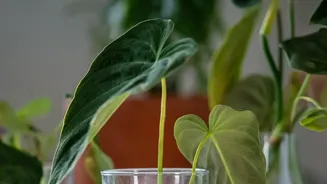
The Magic of Cuttings
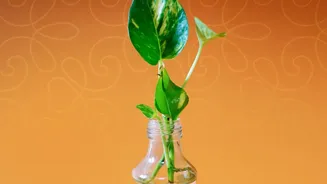
One of the most popular and rewarding methods of creating new plants is through cuttings. This technique involves snipping off a piece of a healthy parent plant and encouraging it to grow its own roots. It works exceptionally well for many houseplants
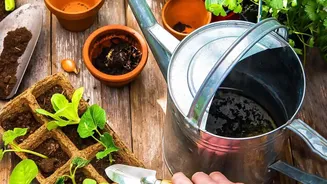
like pothos and philodendrons, as well as garden favorites such as hydrangeas, rosemary, and mint. To start, select a healthy, non-flowering stem and, using clean shears, cut a 4- to 6-inch piece just below a node (the small bump where a leaf emerges). Remove the leaves from the bottom half of the cutting to prevent them from rotting. You can then place the cutting in a glass of water, ensuring at least one node is submerged. Alternatively, you can dip the cut end in rooting hormone and plant it directly into a pot with a moist, soilless potting mix. Roots typically form within a few weeks, after which you can transplant your new plant into the garden or a permanent container.
Divide and Conquer Your Perennials
If you have perennial plants that return year after year, such as hostas, daylilies, or ornamental grasses, division is your best friend. Over time, these plants can become overcrowded, leading to a less vigorous center and fewer blooms. Dividing them not only revitalizes the parent plant but also gives you several new, healthy plants. The best time to divide is typically in the spring or autumn on a cool, overcast day to minimize stress on the plant. Carefully dig around the entire clump and lift it from the ground. Once out, you can gently tease the roots apart by hand or use a sharp spade or knife to cut the clump into smaller sections. Ensure each new division has a healthy set of roots and several shoots or buds. Discard any old, woody, or unhealthy parts from the center of the original clump before replanting your new divisions at the same depth they were previously growing.
Layering for Effortless Clones
Layering is a remarkably simple and effective technique, especially for plants with long, flexible stems like climbing roses, forsythia, and many vines. This method allows a new plant to form roots while still attached to and receiving nutrients from the parent plant, making it nearly foolproof. To do it, select a low-growing, healthy branch that can easily bend to the ground. Find a spot on the stem and gently scrape a small section of the outer layer to wound it slightly, which encourages rooting. Pin this wounded section firmly to the soil, using a piece of wire or a small rock to hold it in place, and cover it with soil. Keep the area consistently moist. After several months to a year, the layered stem will have developed its own root system. At that point, you can simply sever it from the parent plant and transplant your new, independent clone to its desired location.
From Flower to Seedling
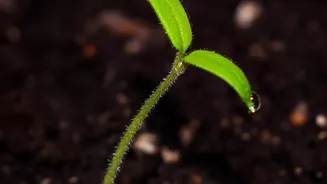
Don't forget the most traditional method of all: collecting seeds. While not all plants produce seeds that will grow true to the parent, many annuals like marigolds, zinnias, and cosmos make it incredibly easy. As the flowers on your existing plants fade and dry up, you can harvest the seed heads. Allow them to dry completely in a cool, dark place before separating the seeds from the chaff. Store them in a labeled paper envelope in a dry location, ready for sowing next spring. This method costs nothing and connects you to the full life cycle of your garden. It’s a simple way to ensure a recurring splash of color year after year, guaranteeing that the beauty of this season's garden will return in the next.