







A Zest Apart: What is Indi Lime?
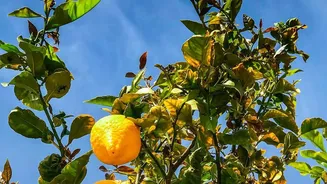
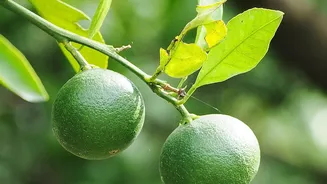
Indi lime, locally known as Kagzi lime, is not just any citrus fruit. Grown for over a century, particularly in the Indi and Sindagi taluks of Vijayapura district, this lime is famous for its distinctive qualities. The name 'Kagzi' itself, derived from
the Hindi word for paper, alludes to its most celebrated feature: a paper-thin rind. This thin skin encases a fruit that is remarkably juicy, intensely aromatic, and packed with ascorbic acid. These traits make it highly sought after for everything from refreshing beverages and pickles to cosmetics and pharmaceuticals. For approximately 11,000 growers in the region, this lime isn't just a crop; it's the primary source of their livelihood.
The GI Tag Explained
So, what exactly is a Geographical Indication tag? Think of it as a stamp of authenticity, similar to how Champagne can only come from a specific region in France or Darjeeling tea can only be grown in the hills of West Bengal. In India, a GI tag is a form of intellectual property protection granted to products that have a specific geographical origin and possess qualities or a reputation attributable to that origin. This legal recognition, governed by the Geographical Indications of Goods Act of 1999, ensures that the name 'Indi Lime' can only be used for limes grown in this particular region, adhering to specific standards. It legally protects the product's identity from imitation and misuse.
A Shield Against Imitation
One of the most significant benefits for the growers of Indi lime is economic protection. Before the GI tag, any lime, regardless of its quality or origin, could be sold using the name and reputation of Vijayapura's famed citrus. This diluted the brand and often drove down prices, directly impacting the income of genuine Indi lime farmers. The GI tag acts as a powerful legal shield. It prevents unauthorised use of the name, ensuring that consumers who buy 'Indi Lime' are getting the authentic, high-quality product. This protection helps farmers command the premium prices their unique product deserves, securing their economic interests and rewarding them for their traditional cultivation practices.
Unlocking New Markets and Better Prices
The GI tag is more than a defensive tool; it's a passport to new opportunities. This official certification of quality and origin makes Indi lime a more attractive product for national and international markets. Consumers, especially in premium markets, are increasingly willing to pay more for products with a guaranteed story and authenticity. The recognition has already started to pay off, with APEDA facilitating the first-ever air shipments of GI-tagged Indi lime to the United Kingdom and consignments reaching markets in Oman and Dubai. This expanded market access not only boosts demand but also gives growers greater bargaining power, leading to enhanced income and rural economic development.
Preserving Heritage and Empowering a Community
Beyond the balance sheets, the GI tag holds deep cultural significance. It honours the generations of farming families in the Indi region who have perfected the cultivation of this specific lime, often using sustainable and traditional methods. This recognition fosters a sense of pride and encourages the preservation of agricultural heritage and indigenous knowledge. By ensuring fairer returns for their labour, the GI tag empowers the local community, making farming a more viable and respected profession. It supports the entire ecosystem, from the 11,000 growers to the local institutions like the Karnataka State Lime Development Board that championed the five-year effort to secure the tag. This validation reinforces the identity of Indi as the 'Land of Lemons' and ensures its legacy continues.