




The Million-Dollar Question
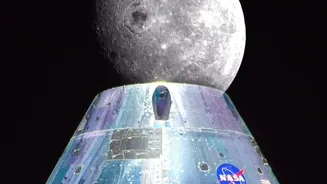
While the headline suggests a single challenge, NASA has actually launched several high-value competitions aimed at solving critical problems for its Artemis program, which seeks to establish a long-term human presence on the Moon. One of the most prominent
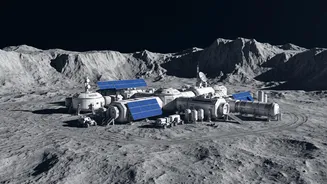
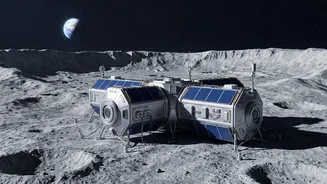
is the 'Watts on the Moon Challenge'. This competition asks innovators to develop solutions for distributing, managing, and storing energy on the lunar surface. With a prize purse of up to $1.5 million in its second phase, the challenge highlights one of the biggest hurdles to permanent settlement: power. Without a reliable energy grid, everything from life support to scientific experiments becomes impossible.
Surviving the Lunar Night
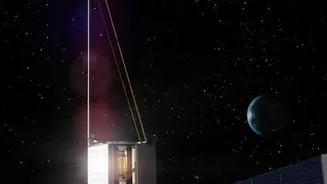
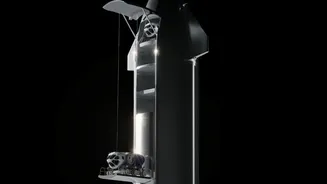
The core problem is daunting. The lunar south pole, a target for future missions due to its potential for water ice, is a land of extreme contrasts. It experiences periods of near-constant sunlight followed by long, dark, and incredibly cold nights that can last for weeks. A lunar base needs an energy system that can harvest power during the long sunlit periods and store enough of it to keep the lights on—and the astronauts alive—through the punishing darkness. The 'Watts on the Moon Challenge' specifically tasks teams with designing hardware that can deliver power from a generation source to a habitat one kilometre away, all while surviving the harsh lunar environment. It's a complex engineering puzzle that requires robotics, efficient power transmission, and robust energy storage.
Who Can Build the Future?
These challenges are designed to attract a wide range of talent, from university students to established engineering firms. Eligibility for many of NASA's official Centennial Challenges is often restricted to U.S. citizens and U.S.-based teams. However, the true significance of these competitions is global. They act as a clear signal to aspiring engineers, scientists, and programmers everywhere—including in India's rapidly growing space sector—about the critical skills needed for the next era of exploration. Expertise in robotics, autonomous systems, power engineering, and resource management are no longer theoretical needs; they are the practical requirements for building humanity's future off-world.
More Than Just Prize Money
While the cash prizes are substantial, the ultimate reward is the chance to contribute to one of the most exciting chapters in human history. The solutions developed in competitions like 'Watts on the Moon' and the 'Break the Ice Lunar Challenge' (which focuses on excavating lunar soil) are not just academic exercises. NASA intends for the most promising technologies to influence and potentially be integrated into the actual Artemis mission architecture. Winning teams gain immense credibility, visibility within the aerospace industry, and the invaluable experience of working on a real-world problem defined by the world's leading space agency. It is a direct audition for a role in shaping our multi-planetary future.
Your Career in the New Space Age
For students and young professionals in India, these challenges are a roadmap. The problems NASA is trying to solve are the same ones that the global space industry, including ISRO and private Indian startups, will face. Building a career in this field means focusing on the disciplines at the heart of these competitions. Whether it's developing AI for autonomous rovers, designing nextgeneration batteries, or engineering systems that can withstand extreme environments, the demand for these skills is exploding. Following these challenges provides insight into the technological frontiers of space exploration and offers a clear guide on where to focus one's education and professional development to be part of the lunar economy.