






Putting India on the Workcation Map
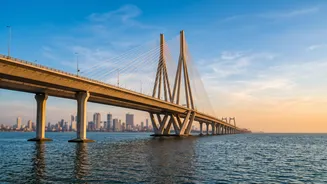
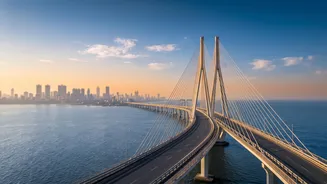
In the recently released 2026 'Work from Anywhere Index' by International Workplace Group (IWG), Mumbai made its debut as the sole Indian entry. The city earned its spot among global hubs like Bangkok, Tokyo, and Barcelona, even ranking ahead of major
players like London and Miami. The index evaluates destinations on a range of criteria crucial for the modern remote worker, including climate, cultural attractions, accommodation, transport costs, and, most importantly, the availability of flexible workspaces. Mumbai's inclusion is a significant nod to India's rapidly maturing remote-work infrastructure and the city's magnetic appeal to professionals who want more than just a desk and a chair.
The Engine Room: Co-working and Connectivity
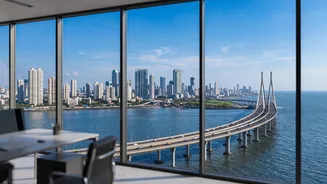
A key reason for Mumbai's strong showing is its robust and expanding ecosystem of flexible workspaces. The city scored highly on the availability of co-working spaces, which have blossomed across business districts and trendy neighbourhoods alike. From global giants like WeWork and Regus in Bandra Kurla Complex (BKC) to boutique community-led spaces in Andheri, Lower Parel, and Fort, there is an option for every budget and work style. This infrastructure is the backbone of the workcation experience, providing reliable internet, professional amenities, and a ready-made community of fellow freelancers and remote workers. India as a whole has been recognized for its flexible workspace maturity, even outperforming countries like the US and UK in some analyses.
Life After Logging Off
A great workcation isn't just about work; it's about the 'cation'. This is where Mumbai truly shines. After a day of meetings and deadlines, the city offers an unparalleled spectrum of experiences. You can decompress with a sunset walk along Marine Drive, dive into the culinary scene with everything from street-side vada pav to world-class fine dining, or explore the city's rich cultural fabric through its art galleries, theatres, and historical landmarks. The city’s energy is infectious. It’s a place where a hectic workday can seamlessly transition into an evening of exploring vibrant neighbourhoods or catching a live performance, providing the perfect antidote to professional burnout.
The Practicalities: Cost and Getting Around
While Mumbai is known as one of India's more expensive cities, it performed surprisingly well in the index on the costs of transport and accommodation. The city’s extensive local train network, supplemented by metro lines, buses, and affordable ride-sharing services, makes it relatively easy and cheap to navigate. While rents in prime areas can be high, the sheer diversity of neighbourhoods means that more budget-friendly accommodation is always an option, especially for longer stays. Compared to other global workcation hubs, Mumbai offers a compelling value proposition, allowing for a rich urban experience without the extreme price tag of cities like London or New York.
Room for Improvement
The analysis wasn't all glowing, and it pointed to areas where the city could improve to become even more attractive to digital nomads. Mumbai received relatively lower scores for its broadband speed and quality, the availability of local events, and the general happiness index. While major co-working spaces offer fast connections, city-wide public internet can be inconsistent. These are crucial factors for remote workers who depend on seamless connectivity. As the workcation trend continues to grow, addressing these challenges will be key to cementing Mumbai's status as a top-tier global destination for professionals on the move.