




The False Economy of a Full Pantry
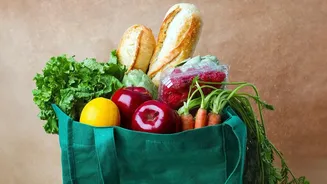
Walking through a supermarket, it’s easy to be tempted by the 'buy one, get one free' deals or the giant bags of rice and flour that promise months of security. We stock up, believing we're saving money and being prepared. But this instinct often works
against us. In India, households are responsible for a significant amount of food waste, with estimates suggesting that each person wastes around 55 kg of food annually. While much of this is leftover meals, a considerable portion comes from ingredients that have quietly gone bad in the back of our cupboards. The oil that has turned rancid, the spices that have lost their punch, and the flour that has developed a musty smell all contribute to this problem. This isn't just a waste of food; it's a waste of the money you spent and the resources used to produce it.
When Good Ingredients Go Bad
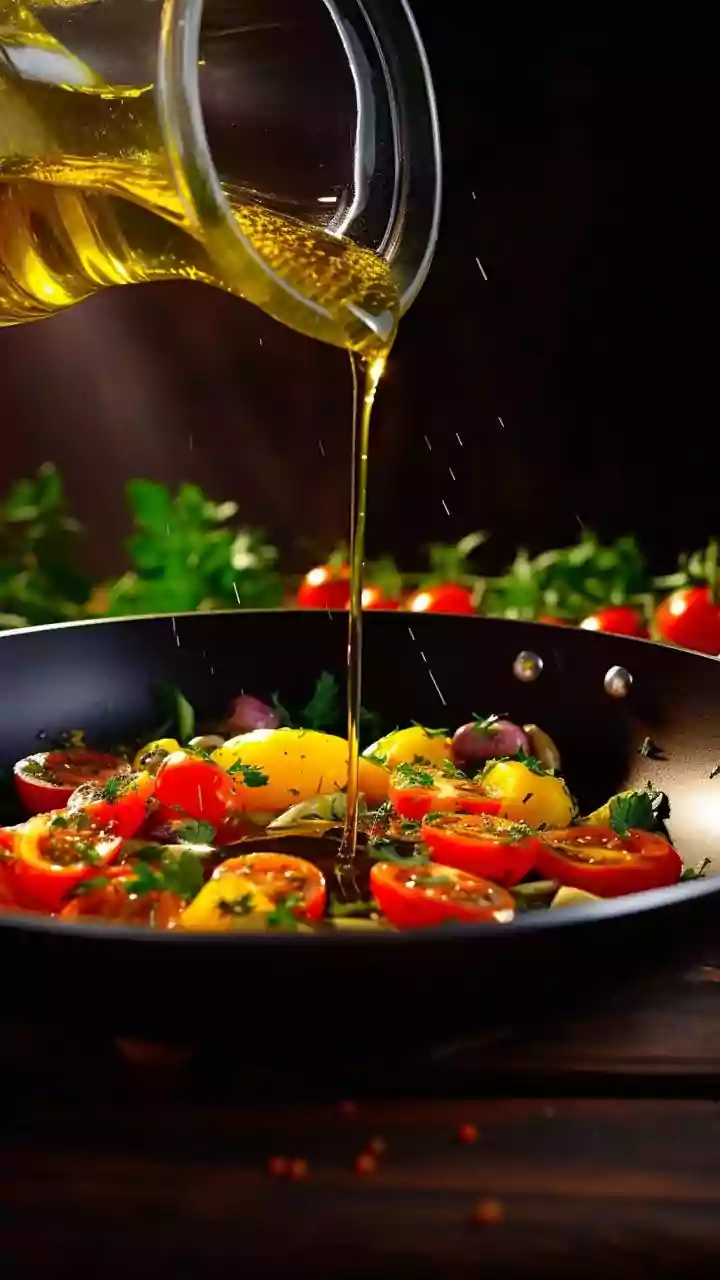
Pantry staples don't spoil like fresh milk or vegetables, but they do degrade. The primary enemies are air, light, heat, and moisture. Oils are particularly susceptible to oxidation, a process where exposure to air causes them to go rancid. This gives them a sharp, unpleasant smell—often compared to crayons or old paint—and a bitter taste that can ruin a dish. Flours, especially whole-grain varieties like atta, contain natural oils in the germ and bran. These oils can also go rancid, and the flour itself can absorb moisture from the air, especially in humid climates, making it prone to clumping and mould. Spices are perhaps the most noticeable victims of time. While they may not become unsafe to eat, they lose their volatile oils, which are the source of their aroma and flavour. That vibrant garam masala or potent turmeric powder will become a shadow of its former self over time.
A Shelf-Life Guide for the Indian Kitchen
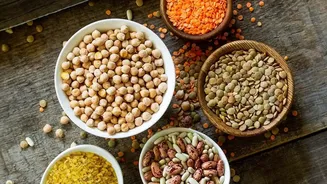
Knowing how long your staples realistically last is key to smart shopping. Here’s a general guide: Flours: White, refined flours (maida) can last 6-8 months at room temperature. Whole-wheat flour (atta) has a shorter shelf life of about 3-6 months because of its higher oil content. Storing it in the fridge or freezer can extend this. Rice and Lentils (Dals): White rice can last for years if stored properly. Brown rice, however, contains more oil and is best used within 6 months. Most dals and other pulses will keep well for at least a year in an airtight container. Spices: This is where the biggest flavour loss occurs. Ground spices start to lose their potency after just 6 months and should ideally be used within a year. Whole spices, like cumin seeds, peppercorns, and cloves, hold their flavour much longer, often for 2-4 years, because their surface area is smaller. Grinding them as needed is the best practice. Cooking Oils: Most common cooking oils are good for about 6-12 months after being opened. Keep them sealed and away from the heat of the stove and direct sunlight to slow down rancidity.
The 'Right-Size' Strategy
Instead of buying the biggest bag available, shift your mindset to buying what you can reasonably use within a few months. For a small family, this might mean buying a 2kg bag of atta instead of a 10kg one, even if the per-kilo price is slightly higher. The freshness and flavour you gain, and the waste you avoid, are worth it. Before you go shopping, do a quick audit of your pantry. See what you already have and make a list of only what you need. A good rule of thumb is to buy for the month, not for the year. This approach forces you to rotate your stock, ensuring you're always using the freshest ingredients. It also prevents your pantry from becoming a graveyard for forgotten packets and jars.
Smart Storage Is Your Superpower
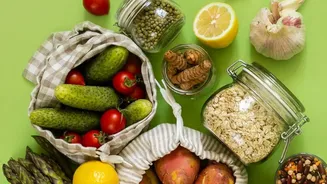
Once you bring your groceries home, proper storage is your best defence against spoilage. Transfer items from their original paper or thin plastic bags into airtight containers. Glass jars or sturdy plastic bins are excellent choices as they protect against moisture, air, and pests. Keep these containers in a cool, dark, and dry place. Your spice drawer should not be right above the stove, where heat and steam can accelerate flavour loss. By combining smarter purchasing habits with better storage, you ensure that every meal you cook is as delicious and nutritious as possible.