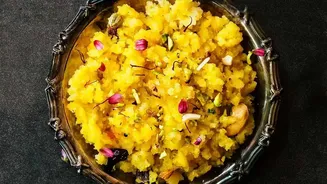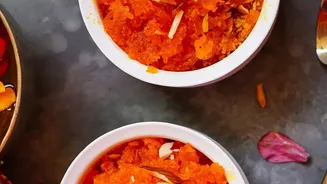





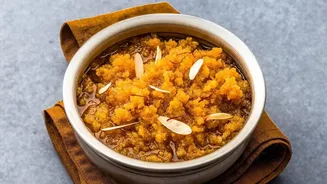
The Soul of the Halwa: Understanding Ghee
In the world of Indian sweets, ghee is more than just a cooking fat; it is the soul of the dish. This is especially true for halwas. Unlike neutral oils, ghee boasts a high smoke point and a unique nutty, caramelised aroma that infuses the entire dessert.
Its role is both structural and sensory. It acts as a flavour carrier, enhances the mouthfeel, and is responsible for the beautiful, glossy sheen that signifies a well-made halwa. Using desi ghee is non-negotiable for authentic flavour and aroma. While it may seem like a lot of ghee is used, the 'bhunai' or roasting process is designed to cook the potato until it eventually releases the ghee, leaving behind a rich flavour without an oily texture. This process also naturally preserves the sweet, extending its shelf life.
Choosing the Right Potato
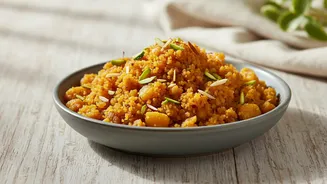
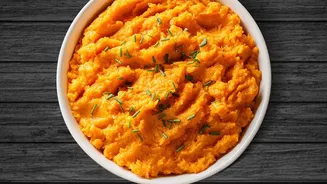
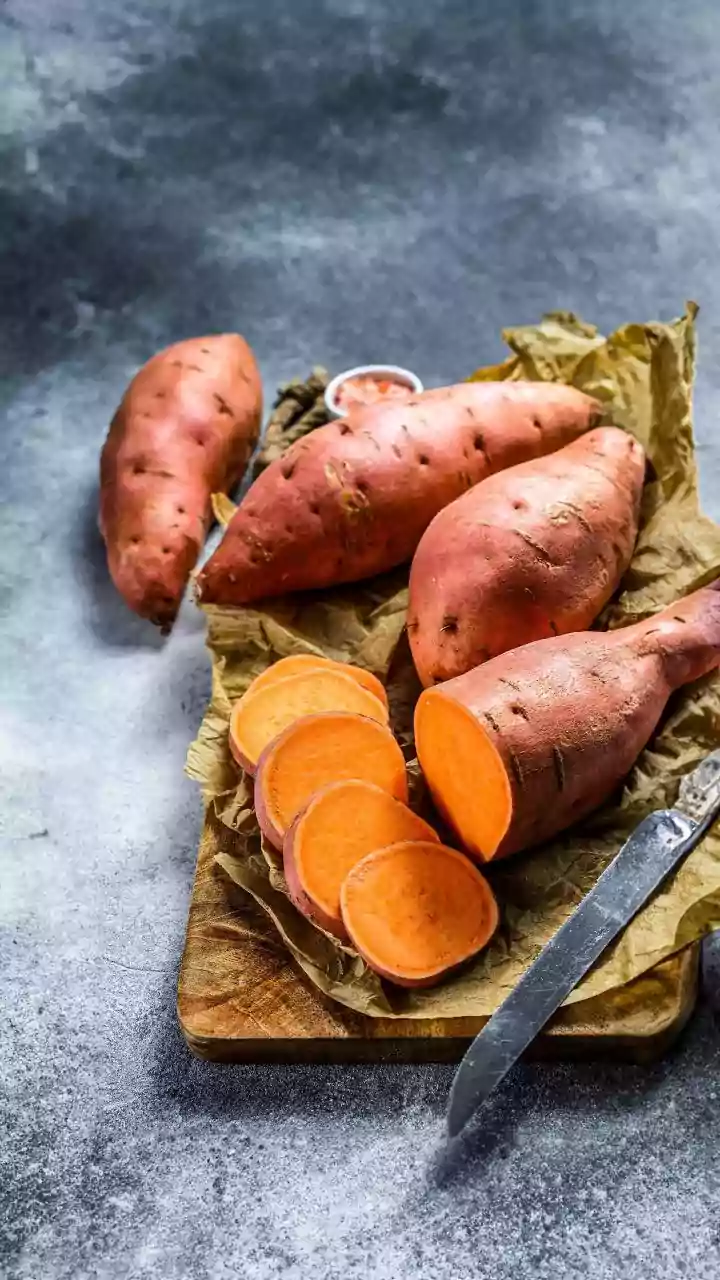
The foundation of your Aloo Halwa is, of course, the potato. For this dish, it's best to use potatoes that are starchy. Once boiled and peeled, the potatoes should be mashed thoroughly or grated to ensure there are no lumps. A smooth, uniform base is critical for achieving that silky, melt-in-your-mouth texture. Some recipes suggest mashing the potatoes while they are still hot to get the best results without any lumps. This step is crucial because any remaining chunks will disrupt the final consistency of the halwa. The goal is to create a homogenous mixture that can be sautéed evenly, allowing it to absorb the ghee and sugar uniformly.
The Art of 'Bhunai': Patience and Roasting
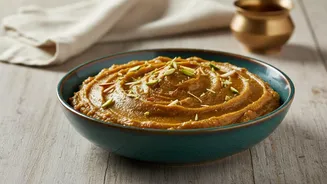
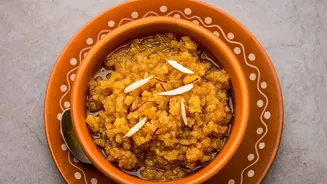
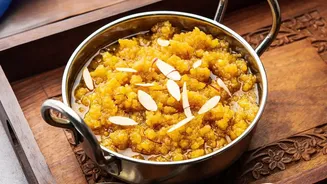
The most critical step in making Aloo Halwa is the 'bhunai'—the slow and patient roasting of the mashed potatoes in ghee. This is where the magic happens. Initially, the potatoes will absorb all the ghee in the pan. It is vital to keep stirring continuously on a low to medium flame to prevent the mixture from sticking and burning. After about 10 to 15 minutes of constant sautéing, you will notice a change. The colour of the potato mixture will darken to a light golden hue, and it will begin to emit a rich, nutty aroma. The true sign of progress is when the halwa starts to release the ghee it initially absorbed, pulling away from the sides of the pan and coming together as a single, glossy mass. This indicates that the rawness of the potato is gone and the base is perfectly cooked.
Building Sweetness and Flavour
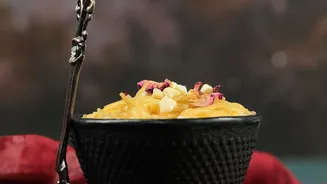
Once the potato is perfectly roasted, it's time to introduce the sugar. When sugar is added, it will melt and cause the mixture to become liquid-like for a moment. This is normal, and you should continue to stir until the sugar is fully incorporated and the halwa begins to thicken again. Along with sugar, this is the stage to add aromatics like cardamom powder and a touch of saffron for colour and fragrance. Some recipes also call for a splash of milk or the addition of khoya (milk solids) at this stage to add another layer of richness and creaminess. The halwa is ready when it becomes thick, holds its shape, and has a radiant gloss. Finally, fold in roasted nuts like almonds, cashews, and pistachios for a delightful textural contrast.