


What Exactly Is This 'Gunpowder'?
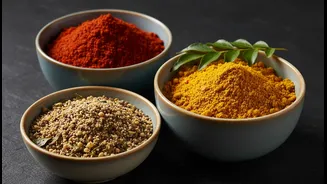
Podi, which simply means 'powder' in several South Indian languages, is a coarse, dry mixture of roasted lentils, seeds, and spices. Its history traces back centuries, with some records suggesting its origins in ancient Tamil Sangam literature. One of the
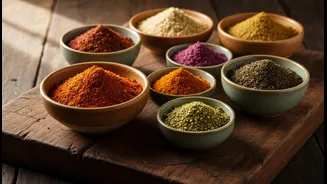
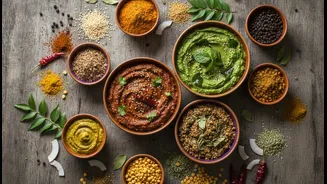
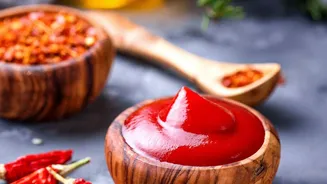
most famous types, Milagai Podi, is often nicknamed 'gunpowder' for its explosive flavour and fiery kick. But don't let the name intimidate you. While some podis are spicy, many are nutty, savoury, and aromatic. The base typically includes roasted dals like toor dal (pigeon peas), urad dal (black gram), and chana dal (split chickpeas), combined with ingredients like red chillies, sesame seeds, cumin, and asafoetida. This blend of ingredients is carefully roasted to develop deep, complex flavours before being ground into a textured powder.
A Universe of Flavour in a Pinch
To think of podi as a single flavour would be like calling all curries the same. Every South Indian state, and often every family, has its own signature recipes. Paruppu Podi, or dal powder, is a protein-rich blend that is often milder and nuttier, making it a favourite for a quick and filling meal. Karuveppilai Podi, made with a generous amount of curry leaves, offers a distinct, fragrant, and slightly bitter taste packed with nutrients. Ellu Podi puts sesame seeds at the forefront, creating a rich, nutty powder. In Andhra Pradesh and Telangana, podis are known for their robust heat, while Karnataka's versions might be milder. Some recipes even incorporate garlic, coconut, or peanuts, creating an endless spectrum of tastes and textures.
The Simple Ritual of Podi and Rice
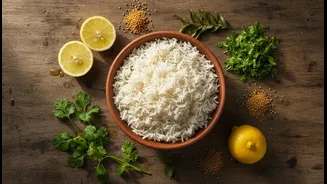
The beauty of podi lies in its simplicity. For a classic 'podi rice', the method is effortless. Start with a serving of hot, steaming rice. The heat is crucial as it helps meld the flavours together. Add a spoonful or two of your chosen podi directly onto the rice. The amount is up to you—start with a little and add more to taste. Next comes the most important step: a generous drizzle of ghee (clarified butter) or sesame oil. The fat not only adds richness but also helps the dry powder cling to every grain of rice, creating a cohesive and flavourful dish. Mix it all together until the rice is evenly coated, and it's ready to eat. This simple combination is a complete meal in itself, often enjoyed with a side of appalam (papad) for a crunchy contrast.
More Than Just a Quick Meal
While podi rice is a lifesaver on busy days, its role extends far beyond convenience. For many, it's a source of comfort and nostalgia, a taste of home that can be recreated anywhere. Historically, its long shelf life made it the perfect travel companion, providing nourishment and flavour on long journeys. Nutritionally, it’s a powerhouse. Lentil-based podis are rich in plant-based protein and fibre, while those with curry leaves or flax seeds offer vitamins, iron, and antioxidants. In a traditional South Indian meal, a small portion of podi rice is often served as the first course to stimulate the appetite and aid digestion before moving on to sambar, rasam, and other dishes.
Bringing Podi into Your Kitchen
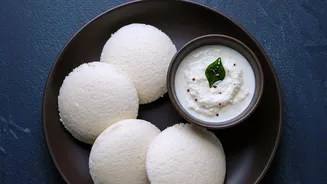
Today, podi is no longer just a South Indian secret. It’s readily available in Indian grocery stores and online, with many brands offering a wide variety of traditional blends. For the adventurous cook, making podi at home is a rewarding experience that allows for complete control over the ingredients and spice levels. The process generally involves dry-roasting each ingredient separately until aromatic and then grinding them together. But you don’t have to stop at rice. Podi is incredibly versatile. Sprinkle it over idlis or dosas, use it to season roasted vegetables, mix it into yogurt for a simple dip, or even use it as a rub for grilled meats. It’s a pantry staple that invites experimentation, promising a burst of flavour wherever it’s used.