


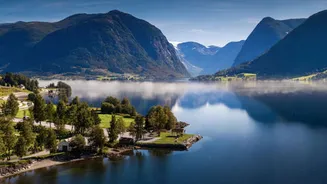
Reine, Norway: Where Mountains Meet the Sea
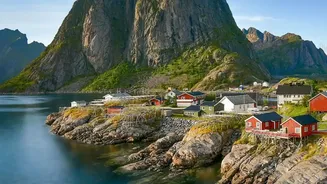
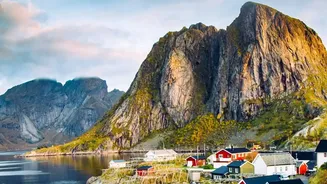
Tucked away in the Lofoten archipelago, Reine is a quintessential Norwegian fishing village that appears plucked from a postcard. Its most defining feature is the collection of 'rorbuer' — traditional fishermen's cabins painted a deep, distinctive red.
These wooden houses stand on stilts over the water, creating a stunning contrast against the backdrop of sharply pointed granite peaks that plunge directly into the Arctic Sea. The village became a trading post in 1743 and has retained its maritime soul. While walking through Reine, the sheer drama of the landscape is all-encompassing. The towering mountains, calm bays, and the ever-present scent of the sea make it a paradise for photographers and nature lovers seeking raw, untamed beauty.
Visby, Sweden: A Medieval Masterpiece
Step back in time in Visby, a Hanseatic trading town on the island of Gotland that is a designated UNESCO World Heritage site. Visby is arguably the best-preserved medieval city in all of Scandinavia. Its most impressive feature is the 'Ringmuren,' a 3.4-kilometre-long stone wall complete with defensive towers that still encircles the old town centre. Inside the walls, you’ll find a labyrinth of cobblestone streets, charming squares, and the ruins of several medieval churches. In summer, the town lives up to its nickname, 'The City of Roses', with fragrant flowers climbing the facades of centuries-old houses. Visby offers a unique blend of history and island life, where ancient ruins stand alongside bustling cafes and Baltic Sea views.
Ærøskøbing, Denmark: The Fairytale Town
Often called Denmark's 'Fairytale Town', Ærøskøbing on the island of Ærø is a marvel of preservation. This small town from the 1700s is a dreamscape of narrow cobblestone lanes, climbing hollyhocks, and impeccably maintained houses painted in a palette of soft pastels. Many of the homes are half-timbered, with colourful doors and red-tiled roofs that complete the storybook picture. The town's commitment to preservation is so strong that it won the prestigious Europa Nostra prize for heritage conservation. Life here moves at a slower pace, dictated by the arrival of the ferry and the changing seasons. Its quiet, idyllic atmosphere provides a peaceful escape and a genuine glimpse into historic Danish island culture.
Porvoo, Finland: The City of Red Shore Houses
As Finland's second-oldest city, Porvoo is a captivating blend of medieval charm and artistic flair, just a short journey from Helsinki. Its most iconic sight is the row of striking red wooden shore houses lining the Porvoo River. These buildings were originally painted red in the late 18th century to honour a visit from the King of Sweden, and the tradition has defined the town's landscape ever since. Beyond the river, the Old Town, known as Vanha Porvoo, enchants visitors with its winding cobblestone streets, colourful wooden houses, and the medieval Porvoo Cathedral perched on a hill overlooking the city. This area is filled with delightful boutiques, artisan shops, and cosy cafes that make it perfect for a day of leisurely exploration.
Seyðisfjörður, Iceland: Art and Colour in a Fjord
Nestled at the end of a long, dramatic fjord in East Iceland, Seyðisfjörður is a haven of creativity and colour. The town is distinguished by its well-preserved, colourful wooden houses, many of which were imported as kits from Norway in the early 20th century. The artistic spirit of the community is perfectly captured by its most famous landmark: the rainbow-painted street, known locally as Regnbogagatan, that leads to the picturesque blue town church. Surrounded by steep mountains and numerous waterfalls, the town’s setting is as spectacular as its architecture. It's a place where art, history, and the powerful Icelandic landscape merge, creating a truly unique and inspiring atmosphere.