








What Is the 5-4-3-2-1 Rule?
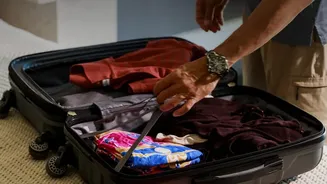
The 5-4-3-2-1 method is a minimalist packing formula designed to help you create a 'capsule wardrobe'—a small collection of items that can be mixed and matched to create numerous outfits. Instead of packing specific outfits for each day, this strategy
focuses on combinations, ensuring every piece of clothing earns its place in your luggage. The standard formula is simple: 5 tops, 4 bottoms, 3 other key items (like dresses or layers), 2 pairs of shoes, and 1 set of accessories. This framework is flexible and can be adapted to your destination, planned activities, and personal style, but its core purpose is to make packing lighter and smarter.
The '5': Your Foundation Tops
The '5' in the formula stands for five tops. These are the workhorses of your travel wardrobe, so prioritise versatility. Choose a mix of T-shirts, blouses, or shirts in a cohesive colour palette. Neutral colours like white, black, grey, or navy are excellent because they pair easily with any bottom. Include a variety of sleeve lengths and perhaps one slightly dressier top for evenings out. Fabrics like cotton blends or knits that resist wrinkling are ideal. A crisp button-down shirt, for instance, can be worn on its own, layered over a T-shirt, or tied at the waist, giving you multiple styles from a single item.
The '4': Versatile Bottoms
Next come four bottoms. This could be any combination of trousers, jeans, skirts, or shorts, depending on your destination's climate and culture. The key, again, is ensuring every bottom works with every top. A classic combination might include a pair of dark jeans, a comfortable pair of linen or cotton trousers, a versatile skirt, and perhaps a pair of smart shorts for warmer climates. For travel in India, loose-fitting cotton or palazzo pants are often more comfortable and culturally appropriate than tight jeans, especially in warmer regions or when visiting religious sites.
The '3': Dresses, Layers, and Shoes
This is where the rule becomes most flexible. The '3' can represent three different categories, but many travellers find a mix of shoes and layers works best. A common interpretation is three pairs of shoes. This typically includes a comfortable pair for walking all day (like sneakers), a casual pair (like sandals or flats), and a slightly dressier option for evenings. Remember to wear the bulkiest pair on the plane to save space. The '3' can also refer to three dresses or a mix of dresses and layering pieces like cardigans or jackets. A lightweight jacket is essential for cool evenings or heavily air-conditioned spaces.
The '2': Layers or Swimwear
The '2' often stands for two additional items, which could be layers like jackets and sweaters, or two dresses. If you've already packed a jacket in the previous category, you might use this for two swimsuits if you're headed to a beach destination like Goa. Alternatively, it could be two cosy cardigans or lightweight sweaters for a trip to the mountains. For travel within India, a versatile pashmina or dupatta is an invaluable second layer; it can be used for warmth, as a style accessory, or to cover your head and shoulders when entering temples or gurdwaras.
The '1': Final Touches
Finally, the '1'. This can be one of several things: one statement piece like a special occasion outfit, one swimsuit, or one handbag. Many travellers interpret this as 'one set of accessories'. This could include a versatile handbag, a belt, sunglasses, and a small selection of jewellery. Accessories take up very little space but have a huge impact, allowing you to dress an outfit up or down and add a personal touch without adding bulk to your bag. A colourful scarf, for example, can completely change the look of a neutral outfit.