





The Current Road to Paradise
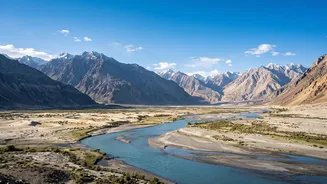
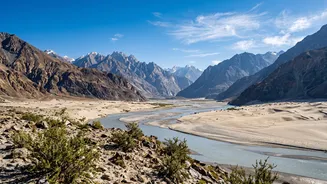
For decades, reaching Nubra Valley has been an adventure in itself. Travellers first fly into Leh, Ladakh’s sole commercial airport, and acclimatise to the high altitude. From there, the journey is a stunning but gruelling five-to-six-hour drive over
Khardung La, one of the world's highest motorable passes. The road, while offering breathtaking vistas of the Himalayas, is challenging and subject to weather-related closures. This arduous journey, a rite of passage for many, has also been a significant barrier, limiting access for those short on time or unable to handle the demanding high-altitude travel.
A Game-Changer on the Horizon
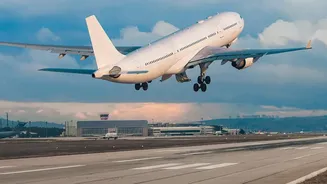
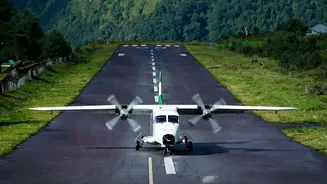
Authorities are now aiming to change this narrative by opening up Thoise Airport in Nubra Valley for commercial passenger flights. Currently an Indian Air Force base, Thoise is at the centre of a plan to enhance regional connectivity. A recent high-level meeting confirmed the ambition to commence operations by December 2026. To meet this deadline, runway recarpeting work is already underway and is expected to be completed by November 2026. The Indian Air Force has also allotted five acres of land for the construction of a brand-new civilian terminal.
What Direct Flights Mean for Travellers
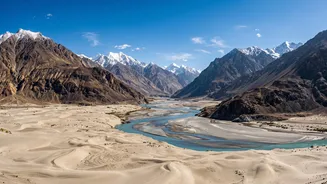
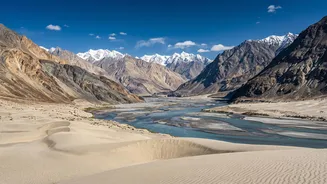
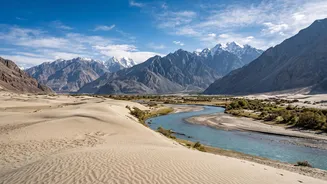
The introduction of direct flights would be revolutionary for tourism. Instead of a full day dedicated to travel from Leh, visitors could potentially fly much closer to the valley, saving precious time. This opens up the possibility of shorter, more focused trips to the region. It would also make Nubra’s unique attractions—from the sand dunes of Hunder to the historic Diskit Monastery and the border village of Turtuk—accessible to a wider range of travellers, including families with young children and older tourists who might find the road journey too strenuous.
More Than Just Tourism
Beyond the clear benefits for tourism, enhanced air connectivity promises a significant boost for the local population. For residents of the remote Nubra region, flights would provide a faster and more reliable connection to the outside world, especially for medical emergencies or educational purposes. The move is expected to stimulate the local economy, create jobs, and potentially pave the way for a more sustainable, year-round flow of visitors, reducing the extreme seasonality that currently defines Ladakh's tourism sector.
Hurdles on the High-Altitude Runway
While the December 2026 target is cause for excitement, officials are clear that it remains a goal, not a guarantee. Several steps must fall into place first. To facilitate an earlier start, authorities plan to renovate an existing charter terminal for initial operations while the new building is constructed. However, no airlines have yet announced routes, flight schedules, or fare structures. The operational complexities of flying commercial aircraft in the high-altitude, mountainous terrain of the Himalayas are significant. Final regulatory approvals and infrastructure checks will be critical before the first commercial passengers can land directly in Nubra Valley.