




The Myth That Went Viral
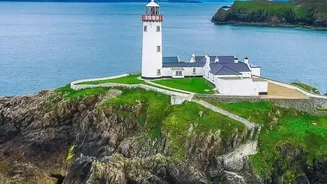
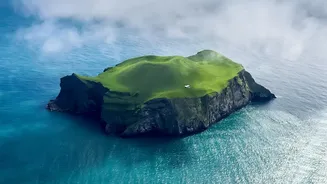
You’ve likely seen the headlines, splashed across social media feeds and travel sites, suggesting the Irish government is handing out grants of up to €84,000 (around $92,000) for people to relocate to its stunning offshore islands. The story was irresistible,
painting a picture of a life-changing opportunity to embrace a simpler existence on places like Arranmore or Clare Island, with a cash bonus to sweeten the deal. This narrative led many to believe that Ireland was offering free money to anyone, including foreigners, willing to become an islander. However, this widely shared and appealing story is a significant misinterpretation of the actual government policy.
The Reality: A Renovation Grant, Not a Relocation Payment
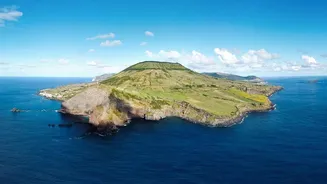
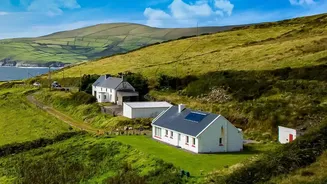
The financial incentive that sparked the global excitement is real, but it's not a payment for moving. The money is part of the Vacant Property Refurbishment Grant, which is a pillar of a broader, 10-year government strategy called 'Our Living Islands'. This policy aims to revitalise about 23 of Ireland's non-bridged offshore islands by tackling depopulation and dereliction. The grant offers up to €60,000 to renovate a vacant property and a higher tier of up to €84,000 for a derelict one. Crucially, this is a reimbursement scheme; homeowners must spend their own money on the renovations first and then claim the grant back. The funds can only be used for specific building works, such as structural repairs, insulation, and redecoration, not for purchasing the property or covering moving costs.
The Catch: Who is Actually Eligible?
This is the most critical detail the viral stories missed: the grant does not confer any right to live in Ireland. While there is no nationality requirement to receive the grant itself, applicants must already have legal residency and the right to live and work in the country. For citizens of India or other non-EU countries, this means securing the necessary visa or work permit independently before even considering the property grant. Furthermore, to qualify, an applicant must purchase and take ownership of a qualifying property on one of the designated islands. The property must have been built before 2008 (some sources say 1993, so checking the latest rules is vital) and have been vacant for at least two years. Finally, the renovated house must be used as the owner's principal private residence or be made available for long-term rental, not as a holiday home or for short-term lets.
The Bigger Picture: Revitalising Communities
The 'Our Living Islands' policy is far more than just a housing grant. Launched in 2023, it is a comprehensive 10-year strategy designed to ensure that these unique island communities remain sustainable and vibrant for generations to come. Many of these islands have ageing populations and have seen younger residents leave for the mainland in search of education and jobs. The government's true goal is to reverse this trend by strengthening the islands' social and economic fabric. The policy includes over 80 actions aimed at improving infrastructure, from high-speed internet to better transport links, as well as enhancing health services and educational opportunities. The grants are a tool to bring derelict housing stock back into use, providing homes for new and existing residents and ensuring the islands don't become hollowed-out tourist destinations.