





The High Cost of Waiting
The central message from the new report by the UN Environment Programme (UNEP) and the Climate and Clean Air Coalition (CCAC) is stark: delay is expensive. Titled 'Hidden Assets: The Economic and Health Case for Climate and Clean Air Action', the report quantifies
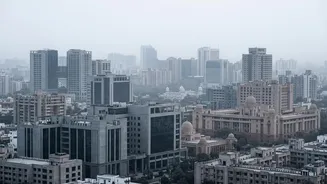
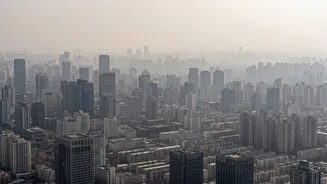
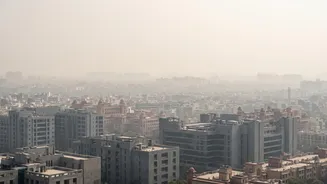
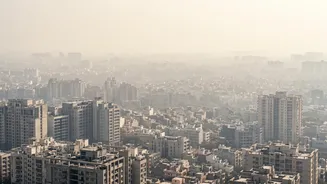
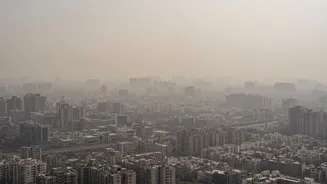
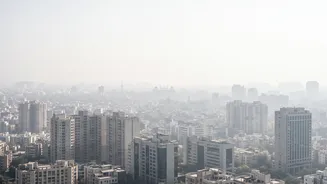
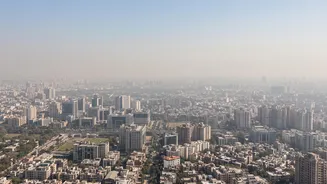
the price of inaction. For Delhi, it presents a clear fork in the road. If India meets its national air quality standards on schedule from 2026, the city could slash its cumulative PM2.5 exposure burden by 20% by 2040. However, if implementation is delayed by about eight years—the average delay expected globally—that benefit is cut in half to just a 10% reduction. This isn't just a numbers game; a 10% reduction instead of 20% translates to significantly worse health outcomes for millions of residents over the next two decades.
An Economic Case for Clean Air
For the first time, a UN report has put a comprehensive economic assessment on integrated climate and clean air action. The findings suggest that tackling both problems together provides a massive return on investment. Globally, implementing 25 identified solutions could generate annual economic benefits equal to 2.8% of global GDP by 2035, and up to 11.4% by 2100. Each year of delay, the report warns, means losing over $1.5 trillion in potential global benefits. The report argues that the money to fund these changes already exists, pointing out that current global spending on fossil fuel subsidies could finance the implementation of all 25 solutions more than three times over.
What are the Proposed Solutions?
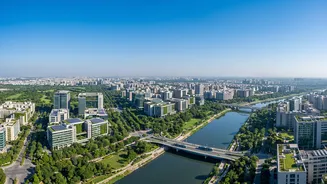
The report isn't just about warnings; it outlines 25 feasible solutions that can address both air pollution and climate change simultaneously. These aren't futuristic fantasies, but existing technologies and policies. The list includes a faster transition to renewable power, improving energy efficiency, and wider adoption of clean cooking and heating technologies. It also calls for stricter vehicle emission standards, better waste management, and improved agricultural practices to reduce crop burning. By pursuing these goals together, the report suggests global carbon dioxide emissions could be halved by 2050.
The Biggest Obstacle: Institutional Barriers
If the solutions exist and the economic case is clear, what's stopping progress? The report identifies 'institutional barriers' as the single biggest contributor to delays. It estimates that these barriers account for around 2.4 years of an average global implementation delay of about eight years. For Delhi, this means that navigating the complexities of governance, policy enforcement, and multi-state coordination is as crucial as the technological solutions themselves. Experts have pointed out that since external sources can contribute up to 40% of Delhi's pollution, a regional strategy across state boundaries is essential, but this requires overcoming significant institutional hurdles.
The Human Toll of Polluted Air
Beyond the economic figures, the report reinforces the devastating human cost. In 2025 alone, human-caused outdoor air pollution was linked to an estimated 6.4 million premature deaths worldwide, with household pollution causing another 2 million. The impact goes beyond deaths, contributing to millions of new cases of childhood asthma and dementia globally. While Delhi's air quality has shown some marginal improvement in recent years, with a decline in 'Very Poor' days, the baseline remains dangerously high. The UN's findings serve as a powerful reminder that every delay in cleaning the air is measured in both economic losses and, more critically, in human lives and suffering.