






The Science of Sweetness
The incredible transformation from pungent bulb to sweet paste is pure kitchen chemistry. Raw garlic's sharp flavour comes from sulfur compounds that are released when its cells are broken by cutting or crushing. When you roast a whole head of garlic slowly,
you deactivate the enzyme that creates this harshness. Instead, other enzymes get to work, breaking down starches into simple sugars. With steady heat, these sugars undergo the Maillard reaction and caramelisation, developing the hundreds of complex, nutty, and savoury flavour compounds that make roasted garlic so irresistible. This low-and-slow process also gently breaks down the garlic's cell walls, turning the cloves incredibly soft and creamy.
A Simple Roasting Guide
Achieving perfectly roasted garlic is remarkably easy and requires just a few basic items. You will need a whole head of garlic, olive oil, and a pinch of salt. For equipment, a small sheet of aluminium foil is essential. While some prefer a dedicated ceramic garlic roaster for a gentler, more even heat, foil does an excellent job of trapping steam and heat to soften the cloves. The most common and effective oven temperature for this process is around 200°C (400°F). This temperature is hot enough to encourage browning but low enough to prevent the outside from burning before the inside turns tender.
Step-by-Step to Perfection
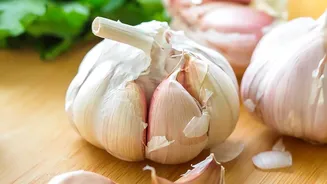
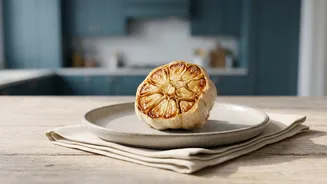
Follow these steps for flawless results every time. First, preheat your oven to 200°C (400°F). Take your head of garlic and peel away most of the loose, papery outer layers, but leave the head intact. Using a sharp knife, slice about half a centimetre off the top of the garlic head, just enough to expose the tops of the individual cloves. Place the trimmed head on a piece of aluminium foil. Drizzle it generously with olive oil, ensuring the oil seeps down in between the exposed cloves, and sprinkle with a little salt. Wrap the foil tightly around the garlic bulb to create a sealed packet. Place it in the oven and roast for 40 to 60 minutes.
Signs of a Perfect Roast
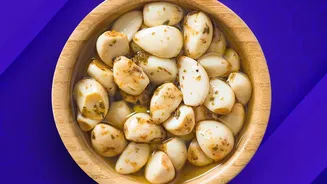
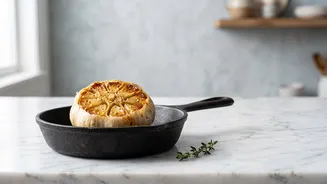
You'll know the garlic is done when your kitchen is filled with a sweet, nutty aroma. The cloves themselves should be a deep golden-brown colour and feel incredibly soft when gently squeezed. A fork or small knife should slide into a clove with absolutely no resistance. Once it’s cool enough to handle, you can simply squeeze the base of the head, and the soft, caramelised cloves will slide right out of their skins, ready to be used. If you prefer an even deeper caramelisation, you can open the foil for the last 5 to 10 minutes of cooking to let the tops brown further.
Delicious Ways to Use Roasted Garlic
The uses for this creamy, sweet garlic are nearly endless. One of the simplest pleasures is mashing the cloves into softened butter to create a flavourful compound butter, perfect for spreading on warm bread or melting over grilled steak. For an instant upgrade to weeknight meals, mix the roasted garlic paste into mashed potatoes, macaroni and cheese, or homemade hummus. It can also be whisked into salad dressings or blended into soups and tomato sauces for a subtle depth of flavour that raw garlic can't match. You can even spread the cloves directly onto pizza dough before adding toppings or mix them into hamburger meat for juicier, more flavourful patties.