




Turbulence: The Bumps in the Sky
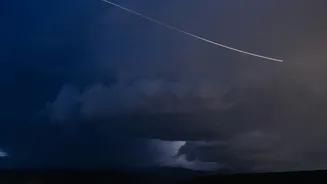
Think of turbulence as the aerial equivalent of driving over a bumpy road. It's caused by irregular air movements that disrupt the smooth flow of air over the wings. These disturbances can be created by numerous conditions, including weather fronts, thunderstorms,
air moving over mountains, and even rising pockets of warm air. The most unpredictable type is 'clear-air turbulence' (CAT), which can occur in cloudless skies with no visible warning. While it might feel alarming, modern aircraft are engineered to withstand forces far greater than those encountered in even severe turbulence. The primary response from pilots is not one of structural concern, but of ensuring passenger comfort and safety inside the cabin.
A Normal Part of Flying
When pilots anticipate or encounter turbulence, they follow a standard procedure. First, they will often turn on the 'Fasten Seatbelt' sign to ensure everyone is secure, as the main danger from turbulence is being thrown around the cabin. They will also slow the aircraft to its designated 'turbulence penetration speed'. This doesn't mean the plane is in danger; rather, it reduces stress on the airframe and provides a smoother ride, much like slowing your car down for a patch of rough pavement. Pilots use weather radar and reports from other aircraft to avoid the worst areas, and may request a different altitude from air traffic control to find smoother air. The autopilot can typically handle light to moderate turbulence, but in severe cases, pilots will fly manually, focusing on maintaining the aircraft's attitude (its orientation in the sky) rather than fighting every bump.
Emergency Descent: A Controlled Move to Safety
An emergency descent, on the other hand, is a specific and deliberate maneuver initiated by the flight crew in response to a critical situation. It is not a panicked fall from the sky. The most common reason for this procedure is a loss of cabin pressure, also known as decompression. At cruising altitudes of 30,000-40,000 feet, the outside air is too thin to breathe. The cabin is pressurised to a comfortable, safe altitude (usually equivalent to 6,000-8,000 feet). If the cabin loses this pressure due to a structural issue, a faulty seal, or a system failure, pilots must act quickly. Other, rarer triggers include an uncontrollable fire or smoke in the cabin.
The Race to Breathable Air
The objective of an emergency descent is to get the aircraft down to a safe altitude—typically around 10,000 feet—as quickly as possible, where passengers and crew can breathe without supplemental oxygen. When decompression occurs, oxygen masks will automatically drop for passengers, providing a supply of breathable air for a limited time. Pilots, who have their own oxygen supply, will immediately begin the descent. This is a highly practised maneuver. They reduce engine power, and depending on the aircraft, may extend landing gear and flaps to increase drag, allowing the plane to descend rapidly without gaining excessive speed. While the rate of descent is high, it is always under the complete control of the pilots and stays within the aircraft's structural limits.
Cause vs. Control: The Core Differences
The distinction is clear: turbulence is an external, environmental event that happens to the plane, while an emergency descent is an internal, procedural maneuver initiated by the pilots. Turbulence is about navigating an unsteady environment, with a focus on stability and comfort. An emergency descent is a time-critical response to a specific technical problem, with the singular goal of reaching a safe, breathable altitude. One is a common and expected part of air travel that pilots manage; the other is a rare emergency for which pilots are extensively and rigorously trained.