







The Hidden Hazard in the Kitchen
For decades, the convenience of a gas stove has been a staple in many Indian households. However, a growing body of scientific evidence reveals a significant downside. The combustion of natural gas or LPG releases several pollutants directly into your
home, with nitrogen dioxide (NO2) being a primary concern. Studies have shown that homes with gas stoves can have NO2 concentrations 50% to 400% higher than homes with electric stoves. This is significant because nitrogen dioxide is a known respiratory irritant that can trigger asthma attacks and has been linked to the development of childhood asthma. Recent research published in early July 2026 even found that switching from gas to electric stoves led to measurable improvements in symptoms for people with asthma. The pollution doesn't just stay in the kitchen; it can spread throughout the entire home, with unhealthy levels detected in bedrooms hours after cooking has finished.
Why Electric Stoves are a Healthier Choice
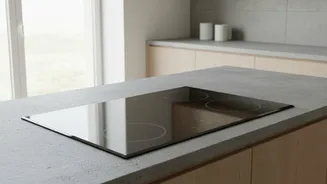
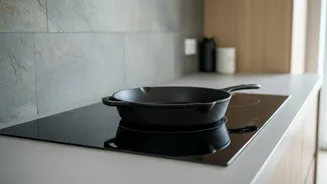
The primary alternative to a gas cooktop is an electric one, either a traditional coil stove or a modern induction cooktop. The key health benefit is straightforward: electric stoves do not burn fuel to generate heat, and therefore they do not produce nitrogen dioxide or other harmful combustion byproducts like benzene. A study by the MetroHealth System demonstrated this clearly: after replacing gas stoves with electric models, indoor nitrogen dioxide levels dropped by approximately 70%. Participants in the study with poorly controlled asthma reported their symptoms eased significantly after the switch. Beyond the air quality benefits, many users find modern induction stoves heat up faster, offer more precise temperature control, and are easier to clean than their gas counterparts.
The Crucial Role of Ventilation
If replacing your gas stove isn't an immediate option, focusing on ventilation is the next best step you can take to protect your family's respiratory health. Many studies emphasize that using a range hood that vents to the outside is critical. These exhaust fans are designed to capture pollutants at the source and remove them from your home before they can circulate. Simply opening a window helps, but it is not as effective as a dedicated, properly installed chimney or exhaust fan. Make it a habit to turn on the exhaust fan every time you cook on a gas stove, even for a short period. Regular cleaning of the fan's filter is also essential to ensure it operates efficiently. This simple practice can dramatically reduce the concentration of airborne irritants in your kitchen and throughout your home.
A Whole-Home Approach to Asthma
While appliance choice is an important factor, creating an asthma-friendly home involves a broader strategy. It's about reducing triggers from multiple sources. This includes managing common allergens like dust mites, pet dander, and mould. Using dust-mite-proof covers on mattresses and pillows, washing bedding in hot water weekly, and vacuuming regularly with a HEPA filter can make a substantial difference. Keeping indoor humidity levels between 30% and 50% helps prevent mould growth. You should also avoid using strong-smelling air fresheners, incense sticks, and harsh chemical cleaners, all of which can irritate the airways. Thinking about your home's air quality holistically, with your cooking appliances as one key component, provides the best defence against asthma triggers.