



The City as a Grand Art Installation
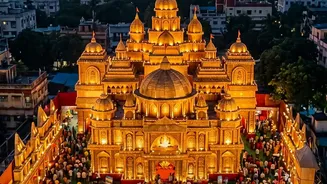
The heart of Durga Puja's appeal lies in the pandals—temporary architectural marvels built to house the idol of Goddess Durga. These are not mere tents; they are sprawling, immersive installations crafted by artists and communities over months. Each neighbourhood
competes to create the most innovative and breathtaking pandal, with themes ranging from replicas of global monuments and ancient temples to commentaries on social issues and explorations of pop culture. In recent years, themes have been built from unconventional materials like recycled goods, bamboo, and even safety pins, turning the entire city into a walk-through museum of boundless creativity. This focus on public art and craftsmanship is a key reason UNESCO recognized Kolkata's Durga Puja as an Intangible Cultural Heritage of Humanity.
A Culinary Marathon Day and Night
Durga Puja is a city-wide feast that never stops. The streets come alive with food stalls serving everything from legendary kathi rolls to spicy phuchka and Kolkata-style chowmein. It's a time for gastronomic adventure, where you can move from a streetside biryani stall to a fine-dining restaurant offering a special Puja menu. A quintessential experience is partaking in 'bhog'—a sacred food offering, usually khichuri served with mixed vegetables (labra) and fried brinjal, distributed freely at pandals. Beyond the street food frenzy, sweet shops are filled with Bengali classics like rosogolla, sandesh, and mishti doi, providing the perfect end to a long night of pandal hopping.
The Unstoppable Energy of Pandal Hopping
During the five main days of the festival, Kolkata collectively steps onto the streets. The activity of 'pandal hopping'—moving from one neighbourhood to the next to see the art, idols, and lighting—is the central activity. The city buzzes 24/7, with millions of people, dressed in their festive best, exploring the illuminated streets until dawn. This creates an electric, carnival-like atmosphere filled with the rhythmic beats of traditional 'dhak' drums and communal joy. The crowds are immense, yet they are part of the authentic experience, creating a shared sense of celebration and belonging that is hard to find anywhere else.
Immersion in Culture and Tradition
Beyond the pandals and food, the festival is a deep dive into Bengali culture. Travellers can visit Kumartuli, the potters' quarter, to see artisans sculpting the magnificent clay idols of the goddess. Another unique experience is visiting the 'Bonedi Bari' pujas, which are traditional celebrations held in the sprawling ancestral homes of Kolkata's old aristocratic families, offering a glimpse into centuries-old rituals. The air is filled with cultural performances, including the energetic 'Dhunuchi Naach,' a ritual dance performed with incense burners to the beat of dhak drums. These moments connect visitors to the living traditions that form the soul of the festival.
The Grand Farewell
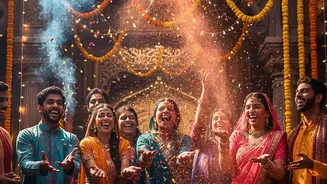
The festival culminates on Vijaya Dashami with an emotionally charged farewell. A key ritual is 'Sindoor Khela', where married women playfully smear each other with red vermilion powder, celebrating womanhood and wishing for prosperity. This vibrant, joyous event is followed by the 'Visarjan' or immersion. Grand processions carry the idols to the Hooghly River for submersion, symbolising the goddess's return to her heavenly abode. The atmosphere along the riverbanks shifts from celebration to reflective devotion, a poignant and unforgettable end to the week's festivities.