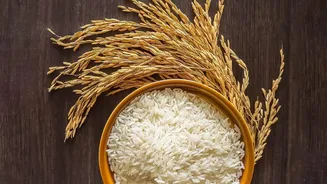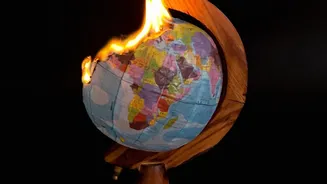



A Shifting Global Market
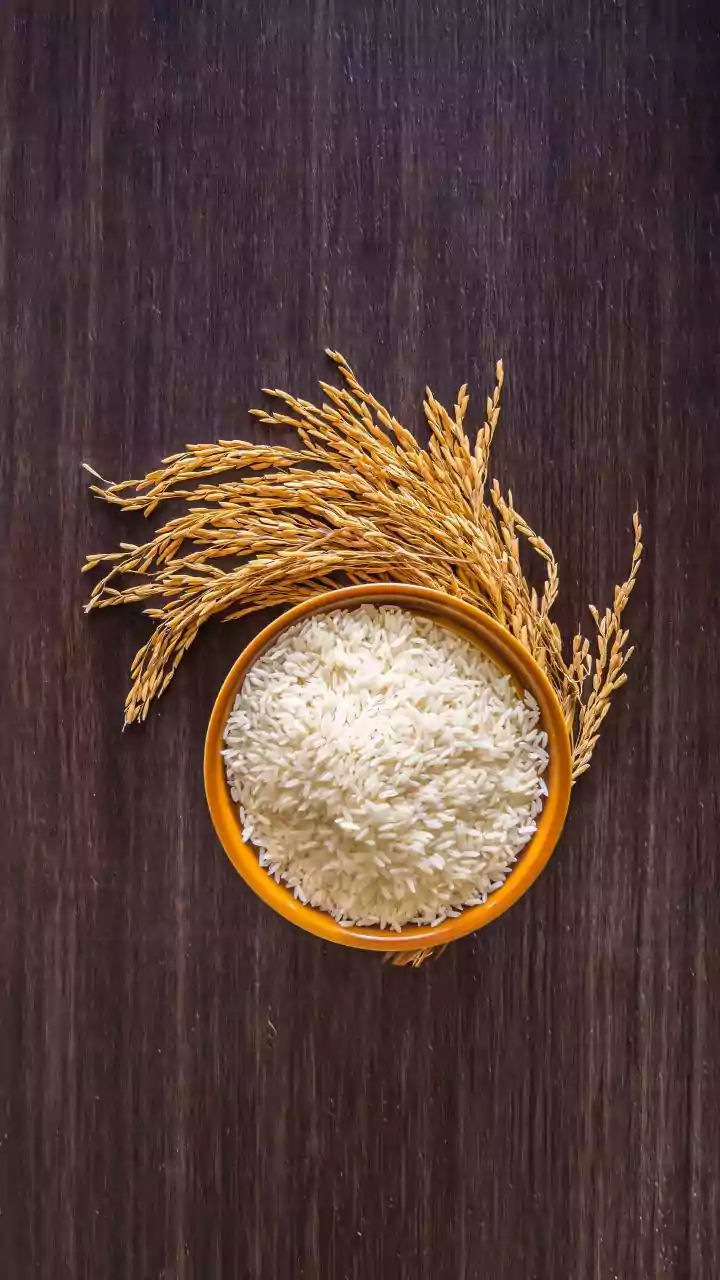
The global rice market is in a state of flux. While prices have seen periods of stability and even decline due to bumper harvests in key nations like India, the overall trend is one of volatility. As of September 2026, markets are digesting mixed signals:
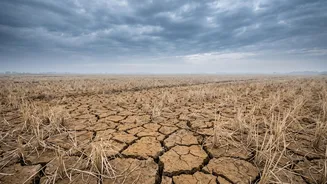
a weak monsoon in India raises concerns about future supply, while comfortable global export availability provides a counterbalance. This delicate equilibrium means that any significant disruption can have an outsized impact. The world's largest exporters—India, Thailand, and Vietnam—are in a constant state of competition, with their pricing and output levels setting the tone for the entire market. Analysts note that the market is moving from a production surplus to a potential deficit, meaning the buffer that once absorbed shocks is narrowing.
Conflict's Ripple Effect
Geopolitical tensions are a major driver of this uncertainty. Conflicts, even those geographically distant from major rice-producing regions, can send shockwaves through the supply chain. Tensions in the Middle East, for instance, have disrupted crucial shipping routes like the Strait of Hormuz. This not only delays shipments but also drives up the cost of energy and fertilizer, increasing production expenses for farmers across Asia. In some cases, the impact is more direct. Production in Myanmar, a notable rice exporter, has been affected by internal strife, contributing to a tighter global supply. These conflicts create a ripple effect, where rising transport and input costs translate directly into higher prices on the international market, ultimately affecting consumers thousands of miles away.
The Fine Print: Policies and Protectionism
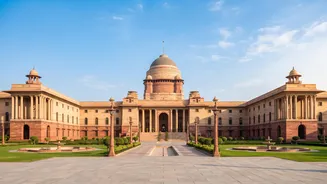
Beyond the battlefield, the 'fine print' of government policy plays a crucial role. National decisions on exports and subsidies can be just as disruptive as a conflict. India, as the world's largest rice exporter, holds immense power. Its decisions to impose or lift export restrictions can cause significant price swings globally. For example, when India restricts exports to protect its domestic supply, it can trigger price hikes and food security fears in import-dependent nations. Conversely, when it releases its vast stockpiles, it can push global prices down, pressuring farmers in competing countries like Thailand and Vietnam. Trade agreements and tariffs are another layer of complexity. The United States has previously raised concerns about tariffs and market access in countries like Japan and China, illustrating how bilateral trade disputes can influence where and at what price rice is sold. These policies, often designed for domestic stability, have profound international consequences.
India's Central Role
India's position in this dynamic is pivotal. With nearly 40% of the global rice export market, its domestic policies have an unavoidable global impact. A strong harvest in India can lead to competitive pricing that reshapes trade routes, with buyers in Africa and Asia shifting their focus to the more affordable Indian supply. However, the country walks a tightrope. It must balance the opportunity for export revenue with the need to ensure food security for its own massive population. A weak monsoon, as seen in 2026, can quickly shift priorities from exporting to stockpiling, tightening global supplies and causing concern for importing nations. Furthermore, India itself is not immune to global pressures. Geopolitical conflicts have disrupted its own exports of premium basmati rice to the Middle East, demonstrating the interconnectedness of the global market.
The Human Cost of Price Volatility
Ultimately, the story of rice prices is a human one. For billions of people, especially in Asia and Africa, rice is the primary source of calories. Price volatility and supply disruptions directly threaten food security. When prices spike, the world's most vulnerable populations are hit hardest. Higher costs can strain household budgets, and in import-dependent countries, it can lead to national food crises. The decisions made in government offices regarding trade policy, and the impact of far-off conflicts, are felt most acutely at the dinner table. Ensuring a stable and accessible rice supply is not just an economic challenge; it is a fundamental pillar of global stability and human welfare.