




The Hydration Showdown: An Overview
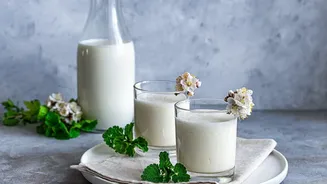
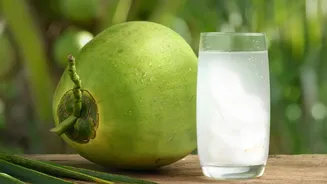
Both coconut water and buttermilk are excellent for hydration because their primary component is water. They go beyond simply quenching thirst by providing essential electrolytes—minerals like potassium and sodium that are lost through sweat. Coconut
water is often called a natural sports drink because it's packed with electrolytes that help restore fluid balance quickly, making it ideal after physical activity or sun exposure. Buttermilk also contains electrolytes like potassium and sodium and is revered for its cooling properties and digestive benefits. The choice between them often comes down to the specific situation and desired health benefit beyond basic hydration.
Electrolyte Power: Nature’s Sports Drink?
When it comes to pure electrolyte replenishment, especially potassium, coconut water often has the edge. A single cup (about 240ml) can contain over 400-500 mg of potassium, which is crucial for preventing muscle cramps and fatigue. This makes it an excellent choice for rehydrating after a workout or on a particularly hot day when you've been sweating a lot. Buttermilk, while also containing potassium (around 135-151 mg per 100g), is notable for its sodium content. This can be particularly beneficial for replacing salt lost through excessive sweating. So, for a quick potassium boost, coconut water leads, but for replenishing both salt and fluids after intense sweating, buttermilk is a strong contender.
The Calorie and Sugar Question
For those watching their calorie intake, unsweetened coconut water is the lighter option. It contains significantly fewer calories than buttermilk—roughly 18-19 calories per 100 grams compared to buttermilk's 62. A standard cup of coconut water has about 45-60 calories. Buttermilk is more energy-dense, with a cup providing around 98 calories. In terms of sugar, both are relatively similar when unsweetened, with coconut water having around 3.9g and buttermilk 4.9g per 100g. However, it's crucial to be mindful of store-bought versions of both drinks, which can contain significant amounts of added sugar, increasing the calorie count and negating some health benefits.
Beyond Hydration: Gut Health and Digestion
This is where buttermilk truly shines. As a fermented drink, traditional buttermilk (chaas) is a natural source of probiotics—beneficial bacteria that support a healthy gut microbiome. These probiotics aid digestion, can help prevent bloating, and contribute to a stronger immune system. Drinking buttermilk, especially after a meal, can soothe the stomach and improve nutrient absorption. Coconut water does not contain probiotics. Therefore, if your goal is to support digestive health while hydrating, buttermilk is the superior choice.
Nutritional Extras
Beyond electrolytes and probiotics, each drink offers a unique nutritional profile. Buttermilk is a good source of protein (about 8 grams per cup) and an excellent source of calcium, which is vital for bone health. It also provides significant amounts of Vitamin B12 and Riboflavin (Vitamin B2), which are important for energy production. Coconut water, on the other hand, is a great source of Vitamin C and manganese. For those who are lactose intolerant, coconut water is a safer bet, although some people with lactose intolerance find the cultured bacteria in buttermilk makes it easier to digest than regular milk.
The Verdict: Which One Is for You?
There is no single winner in the debate between coconut water and buttermilk; the best choice depends entirely on your needs. Choose coconut water if: You need quick, low-calorie hydration and an electrolyte boost after a light workout or on a hot day. Its high potassium content is a major plus. Choose buttermilk if: You want a more filling drink that aids digestion and supports gut health. It's an excellent choice after meals, and its combination of protein and calcium offers added nutritional benefits. Ultimately, both are fantastic, healthy alternatives to sugary sodas and juices. Many experts suggest the best approach may be to enjoy both, alternating between them to reap their unique benefits and stay perfectly hydrated.