




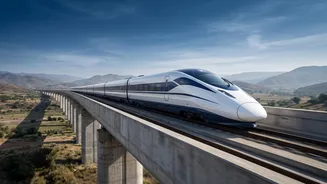


The Vision for a High-Speed North
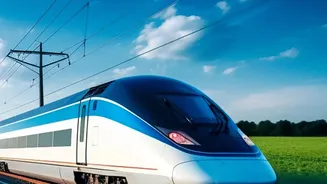
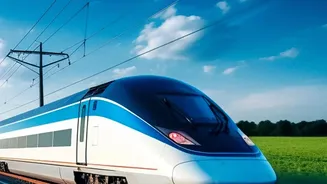
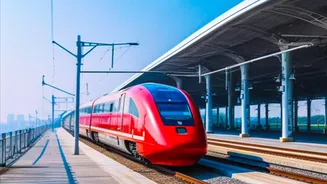
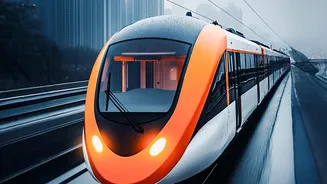
The Delhi-Varanasi High-Speed Rail (DVHSR) corridor is a proposed 800+ kilometre line that will form a central part of India's larger bullet train network. Managed by the National High Speed Rail Corporation Limited (NHSRCL), the project is designed for trains
operating at speeds up to 320 km/h. The corridor is currently in the advanced planning stages, with the Detailed Project Report (DPR) submitted to the Ministry of Railways. This route is a cornerstone of a plan to link major economic, cultural, and administrative centres, with the line eventually extending to connect cities like Patna and Guwahati. It promises to dramatically slash travel times and redefine connectivity across northern India.
Delhi: The Powerhouse Terminus
As the starting point, Delhi is the anchor of this ambitious corridor. The proposed station is at Sarai Kale Khan, a strategic location designed to integrate with existing transport systems like the Delhi Metro and the Hazrat Nizamuddin railway station. This integration is key to creating a seamless travel experience for passengers. The corridor will also connect to the upcoming Noida International Airport at Jewar, providing a crucial link for air travellers and boosting the airport's connectivity from day one. By connecting the national capital to Uttar Pradesh's key cities at unprecedented speeds, the project aims to decentralise economic opportunities and ease the pressure on existing transport infrastructure.
Kanpur: A Boost for the Industrial Heartland
Kanpur, a major industrial and commercial hub of Uttar Pradesh, stands to gain significantly from the bullet train network. The proposed corridor will drastically cut the travel time between Delhi and Kanpur to just 1 hour and 45 minutes, a journey that currently takes several hours by road or conventional rail. This enhanced connectivity is expected to fuel economic activity, making it easier for business professionals, traders, and students to travel between the two cities. The project acknowledges Kanpur's economic importance, with recent proposals revising the route to ensure direct connectivity from Agra to Lucknow via Kanpur. This link will further solidify Kanpur's position as a critical node in the region's transport and economic grid.
Lucknow: Connecting the State Capital
As the administrative capital of Uttar Pradesh, Lucknow's inclusion is vital. A spur line will connect the main Delhi-Varanasi corridor to Lucknow, bringing high-speed rail to the heart of the state government. The travel time between Delhi and Lucknow is projected to be just 2 hours and 12 minutes. This rapid connection to the national capital has significant implications for governance, business, and tourism. Furthermore, the journey between Lucknow and the spiritual city of Varanasi is expected to take only 1 hour and 21 minutes, linking the state's political and cultural capitals more closely than ever before. This integration is expected to stimulate regional development and provide new opportunities for commerce and travel throughout the state.
The Promise of Speed and Technology
The core promise of the bullet train is a revolution in travel time. With operational speeds of 320 km/h, journeys that take the better part of a day will be reduced to mere hours or even minutes. For instance, the trip from Delhi to Agra is expected to take just 59 minutes, while the full journey to Varanasi could be completed in about 3 hours and 33 minutes. The project is part of the 'Make in India' initiative, with a focus on using domestically manufactured components and involving Indian engineers and workers in its construction. The tracks are planned to be mostly elevated to minimise land acquisition challenges and environmental impact, representing a modern approach to large-scale infrastructure development.