



Why is Kolkata often called the 'London of India'? The answer is written in stone across the city. This nickname isn't just a casual comparison; it's a direct reflection of a time when Kolkata was the magnificent capital of British India.
The Empire's Second City
From 1772 to
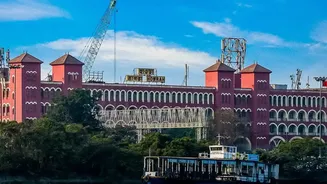
1911, Kolkata, then known as Calcutta, served as the capital of British India. During this period, it grew into one of the most important commercial, cultural, and political centres in Asia, second only to London in the British Empire. To solidify its status, the British embarked on an ambitious construction spree, modelling the city's urban plan and architecture on European capitals. This resulted in grand edifices and wide roads that earned it another moniker: the 'City of Palaces'. This deliberate shaping of the city's skyline was meant to project imperial power and create a 'home away from home' for the colonists.
A Symphony of European Styles
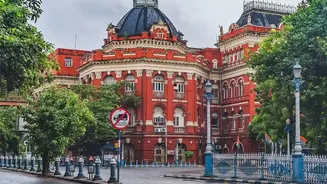
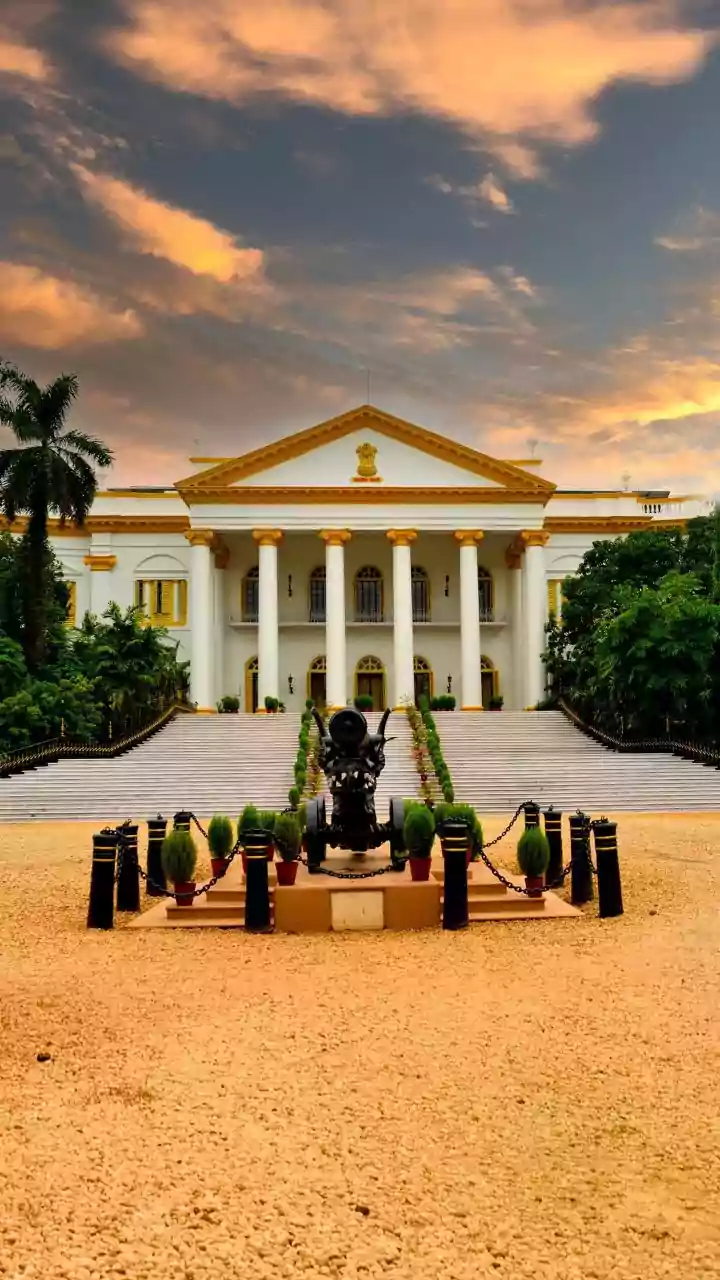
The heart of Kolkata's colonial charm lies in the area once known as Dalhousie Square, now B.B.D. Bagh. This zone contains one of the world's most concentrated collections of British colonial architecture. The buildings here showcase a mix of powerful European styles. The General Post Office (GPO), with its towering Corinthian columns and grand dome, is a prime example of Neoclassical design. The Raj Bhavan, the former residence of the Governor-General, was modelled on an English country house. Nearby, the Writers' Building, originally built for clerks of the East India Company, presents a stunning Greco-Roman facade stretching 150 metres long.
Gothic Grandeur and Sacred Spires
Among the most striking structures is St. Paul's Cathedral, a masterpiece of the Gothic Revival style. Completed in 1847, it was the first Anglican cathedral built in the overseas territories of the British Empire and was designed to serve Calcutta's growing European population. Its style, often called 'Indo-Gothic', was adapted for the Indian climate and features a tall spire, pointed arches, and beautiful stained-glass windows, reminiscent of the great cathedrals of England like Canterbury and Norwich. The cathedral stands near the Victoria Memorial, creating a visually stunning precinct of colonial-era magnificence.
The Crowning Jewel: Victoria Memorial
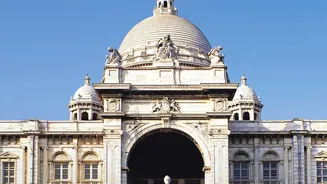
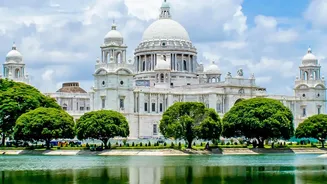
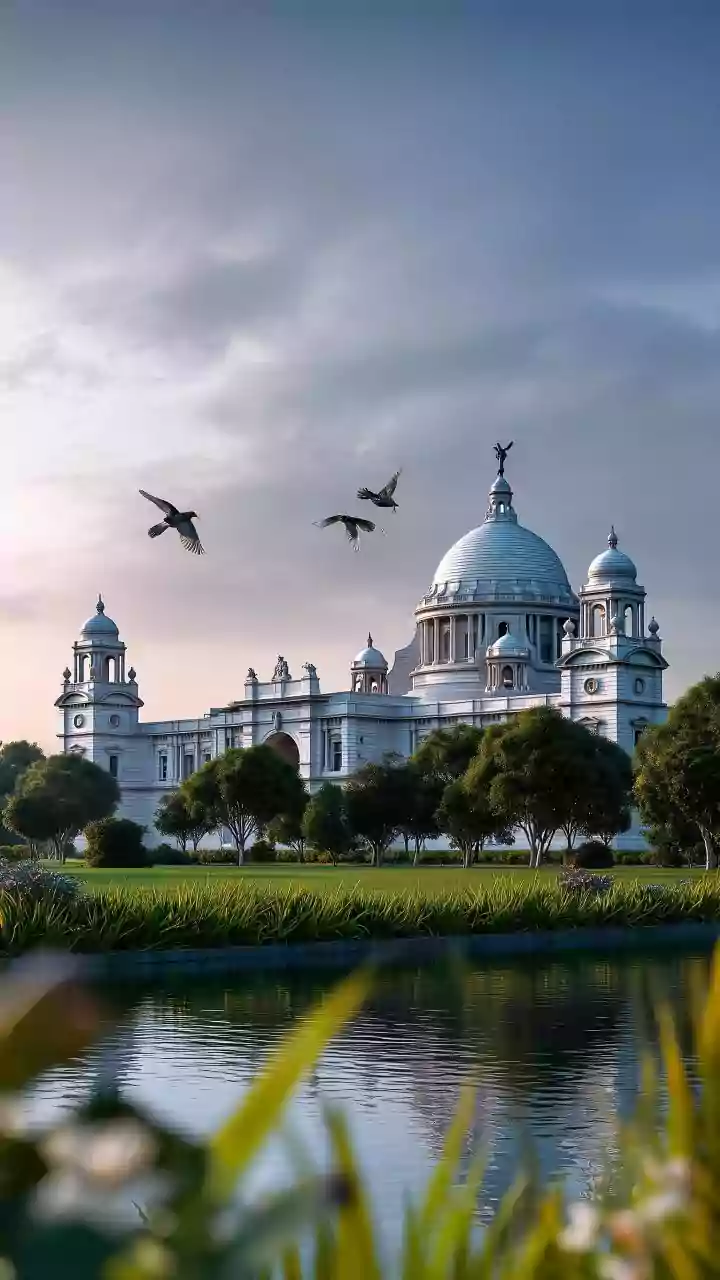
Perhaps no building better embodies the 'London of India' nickname than the Victoria Memorial. This colossal white marble monument, built between 1906 and 1921 in memory of Queen Victoria, is an architectural marvel. Designed by Sir William Emerson, it features a unique Indo-Saracenic style, blending British and Mughal architectural elements with Venetian, Egyptian, and other influences. While its dome and layout echo the Taj Mahal, its overall grandeur and purpose as a monument to the Empress of India were entirely British in conception. Surrounded by 64 acres of gardens, it remains Kolkata's most iconic landmark.
A Living Legacy
Today, Kolkata is a vibrant Indian metropolis, but its colonial past is an undeniable part of its identity. The architectural landscape serves as a tangible link to its history as the capital of the Raj. Beyond the grand buildings, the city's iconic tram network, the only one still operating in India, further adds to the old-world charm that draws comparisons to European cities. These structures are no longer just symbols of imperial power; they are a cherished, living heritage. They house government offices, museums, and cultural institutions, forming the backdrop to the daily life of millions in the 'City of Joy'.