








Deconstructing the 80% Figure
When the UN's Food and Agriculture Organization (FAO) states that forests house 80% of terrestrial biodiversity, it refers to an immense web of life. This includes the vast majority of the world's amphibians (80%), birds (75%), and mammals (68%). Tropical
rainforests alone contain about 60% of all vascular plant species. This isn't just about large, charismatic animals; it encompasses everything from insects and fungi to the genetic diversity within species. These ecosystems are intricate, balanced networks where millions of organisms find food, shelter, and the specific conditions needed to survive. The loss of forests, therefore, isn't just the loss of trees, but the collapse of entire living systems.
More Than Just a Home for Wildlife
Beyond being biodiversity hotspots, forests are the planet's lungs and life-support system. They are the largest carbon storehouses after the oceans, absorbing massive amounts of carbon dioxide and regulating the global climate. The destruction of forests is a double blow: it releases vast quantities of stored carbon and removes a critical tool for fighting climate change. Furthermore, forests are essential for clean water. Forested watersheds filter pollutants and regulate water flow, providing a significant portion of the world's accessible fresh water. They also anchor soil, preventing erosion and desertification, which is crucial for agriculture and protecting communities from landslides.
An Indian Perspective on a Global Issue
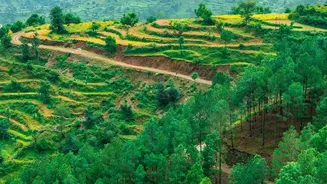
For India, a recognised megadiverse country harbouring 7-8% of the world's recorded species, this global report carries significant weight. India is home to four of the 34 globally identified biodiversity hotspots, including the Western Ghats and the Himalayas. According to the India State of Forest Report, the country's total forest cover is over 21% of its geographical area. These forests are not just statistics; they are the homes of iconic species like the tiger and the elephant, and a source of livelihood for millions of people, including many indigenous communities who possess invaluable traditional knowledge. While India has made gains in increasing its forest area, ranking third globally in net annual forest gain, the pressures of population growth and development remain significant challenges.
A Narrowing Window for Action
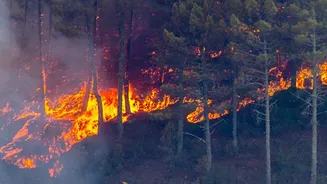
The latest 'State of the World's Forests' report warns of a “narrowing window” for action. Since 1990, the world has lost over 489 million hectares of forest, an area larger than the entire country of India. The primary driver of this deforestation is agricultural expansion, compounded by logging, wildfires, and climate change impacts like droughts and storms. The report stresses that progress on restoration is happening but is far too slow to meet global needs. Despite pledges to restore over a billion hectares of land, only about a fifth of that area is currently undergoing restoration. The failure to act costs the global economy trillions of dollars annually in lost ecosystem services.
The Path Forward: Restoration and Resilience
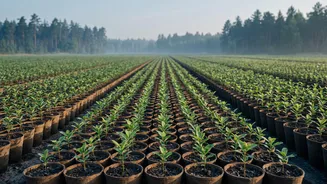
The UN report highlights that the solution lies in making forest and landscape restoration a global priority. Investing in restoration is not just an environmental imperative but a strategic investment in our collective future. Restoring one billion hectares of degraded land is estimated to generate $1.8 trillion in benefits each year, from improved food security and cleaner water to more resilient rural economies. This involves more than just planting trees; it requires inclusive governance that empowers local communities and Indigenous peoples, who are often the most effective stewards of the land. By creating policies that balance human needs with ecological integrity, we can begin to mend our relationship with these vital ecosystems.