






The Calm and the Core: What is Pilates?
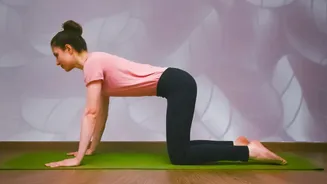
Pilates is a form of exercise that emphasizes controlled movements, breathwork, and the development of a strong core. It’s a low-impact workout, meaning it's gentle on your joints, making it an excellent starting point for beginners or those returning
to fitness after a break. The focus isn't on lifting heavy weights or moving quickly, but on precision and control. You'll work on improving your posture, flexibility, and balance. Studios are often calm, focused environments where the mind-body connection is just as important as the physical movements. This has made it a popular choice in urban India, where managing stress is as crucial as physical fitness.
The Fast and the Furious: Understanding Circuit Training
Circuit training is the energetic opposite of Pilates. It involves performing a series of different exercises in quick succession with minimal rest in between. A typical circuit might include a mix of strength exercises (like push-ups or kettlebell swings) and cardio bursts (like jumping jacks or high knees). The primary goal is to keep your heart rate up, providing both a cardiovascular workout and a strength-building session in a short, efficient timeframe. Gyms offering circuit training are usually high-energy, with upbeat music and a strong sense of community, appealing to those who love a fast-paced, sweaty workout.
Goal for Goal: Which Workout Wins?
The best workout for you depends entirely on your goals. For Significant Weight Loss: Circuit training generally has the edge. The high-intensity nature of the workout and its combination of cardio and strength leads to a higher calorie burn per session compared to a basic Pilates class. For a 'Toned' and Lean Look: Both workouts contribute to a toned physique, but in different ways. Circuit training can build more noticeable muscle, while Pilates is celebrated for creating long, lean-looking muscles and improving posture, which can dramatically change how your body looks and feels. For Core Strength and Stability: While circuit training works the whole body, Pilates is the undisputed champion of deep core strength. It targets the intrinsic muscles that support your spine, leading to better balance, reduced back pain, and improved stability in all your movements. For Stress Relief and Mindfulness: If your goal is to de-stress, Pilates is a clear winner. Its emphasis on breathwork and mindful movement provides mental benefits alongside physical ones, which is a growing priority for many. For Beginners and Injury Prevention: Because it is low-impact and focuses on controlled movement, Pilates is often considered safer for absolute beginners or those with joint issues. The risk of injury in circuit training can be higher for beginners if proper form is not maintained during fast-paced exercises.
The Verdict: Listen to Your Body and Your Lifestyle
Choosing between Pilates and circuit training isn't about which is objectively 'better,' but which is better for you. Consider your personality. Do you thrive on high-energy group settings, or do you prefer a calmer, more introspective environment? Think about your schedule. Circuit training is incredibly time-efficient, offering a full-body workout in as little as 30 minutes. Pilates classes are often longer and require more focus. Many fitness experts now argue that the ideal routine might actually include both. You could use circuit training for your high-intensity cardio days and Pilates for recovery, flexibility, and deep core work. This hybrid approach gives you the best of both worlds: the fat-burning benefits of circuits and the postural and stability improvements of Pilates. The rise of hybrid fitness models in urban India, combining in-person classes with online apps, makes this more achievable than ever.