




The Problem with Mushy Veggies
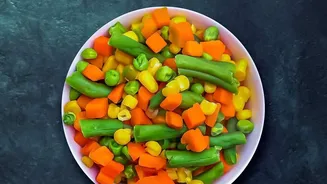
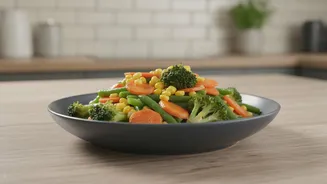
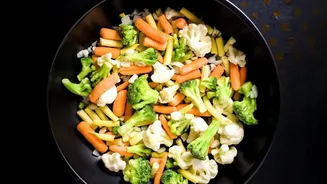
We’ve all been there. You toss a bag of frozen peas, carrots, and beans into a pan, hoping for a quick and healthy side dish, only to end up with a pile of limp, waterlogged vegetables. The culprit is the ice itself. When vegetables are frozen, the water inside
them expands and forms ice crystals, which can rupture their cellular structure. When you cook them, these ice crystals melt, releasing a significant amount of water. If the pan isn't hot enough, the vegetables end up steaming in their own liquid instead of searing, leading to that undesirable mushy texture and diluted flavour.
The Science of a Hot Pan
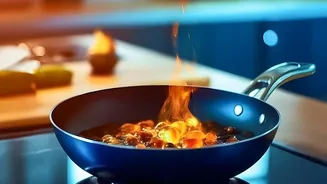
This is where preheating becomes your most important step. A properly heated pan is not just a suggestion; it’s physics in action. When frozen vegetables hit a searing hot surface, the excess moisture from the melting ice evaporates almost instantly. This rapid dehydration is crucial. It prevents the vegetables from boiling and allows them to make direct contact with the hot oil and pan. This triggers the Maillard reaction, a chemical process between amino acids and reducing sugars that gives browned food its distinctive, savoury flavour and golden crust. In short, a hot pan ensures your vegetables fry and caramelise rather than steam.
A Simple Guide to Perfect Pan-Fried Frozen Veggies
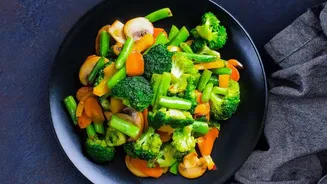
Ready to transform your frozen veg game? Follow these steps for crisp, delicious results every time. 1. Don't Thaw Them: For most recipes, especially pan-frying, cook vegetables directly from frozen. Thawing them beforehand only adds more moisture and contributes to a softer, soggier result. 2. Preheat Your Pan: Place your skillet or kadai over medium-high heat and let it get properly hot. This can take a few minutes. A hot pan is essential to evaporate moisture quickly. 3. Add Your Oil: Once the pan is hot, add a cooking oil with a high smoke point. Good choices include ghee, sunflower oil, canola oil, or avocado oil. They can handle the high heat required for a good sear. 4. Don't Overcrowd: Add the frozen vegetables to the pan in a single layer. Giving them space is critical. Overcrowding the pan traps steam, which will lead to soggy veggies no matter how hot your pan is. Cook in batches if necessary. 5. Cook Uncovered: Leave the pan uncovered while cooking. Covering it will trap steam and defeat the purpose of using high heat. Stir only occasionally, allowing the vegetables time to brown and develop flavour.
Common Mistakes to Avoid
Beyond the basic steps, avoiding a few common pitfalls can make all the difference. Firstly, resist the urge to rinse the vegetables under water; this just adds more moisture you'll have to cook off. Secondly, don't salt the vegetables at the very beginning. Salt draws water out, which can inhibit browning. It's often better to season them towards the end of the cooking process, once they've had a chance to crisp up. Finally, be mindful of cooking time. Frozen vegetables are typically blanched before freezing, meaning they are already partially cooked. They need less time than their fresh counterparts, so keep a close eye on them to prevent overcooking.