


Understanding the Science of the Lean
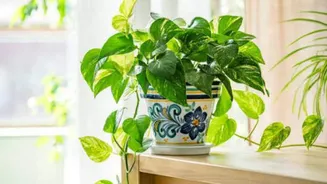
That persistent lean towards the window isn't your plant being stubborn; it's a natural survival instinct called phototropism. In simple terms, plants grow towards their light source to maximize energy production through photosynthesis. This process is driven
by a growth hormone called auxin. When one side of a plant receives more light, auxins concentrate on the shaded side, causing the cells there to elongate faster. This differential growth results in the stem bending toward the light. While fascinating, this can lead to a lopsided, structurally weak plant if left unchecked.
What 'Balanced Growth' Really Means
The goal of rotating your plant is to achieve balanced, symmetrical growth. This isn't just about aesthetics, though a full, even plant certainly looks more pleasing. Balanced growth means the plant develops a strong, central stem capable of supporting its foliage. It ensures that leaves on all sides are healthy and receive enough light for photosynthesis, preventing the sparse, 'forgotten' side that often turns yellow or drops leaves. A well-rounded plant is typically a healthier and more vigorous one, better equipped to thrive in an indoor environment.
Your Simple Rotation Schedule
The good news is that incorporating this habit into your routine is incredibly easy. There’s no single, rigid rule, but consistency is key. A widely recommended and easy-to-remember method is to give your plant a quarter-turn every time you water it. This ensures all sides get a chance to face the primary light source over time. For plants in lower light conditions, a more frequent rotation—perhaps every one to two weeks—is beneficial. Conversely, plants in very bright spots might only need turning every few months. The key is to observe your plant; if you notice it starting to lean, it's time for a turn.
More Than Just a Pretty Shape
While preventing a lopsided look is the most obvious benefit, rotating your plants offers several other advantages. It promotes better air circulation around the entire plant, which can help reduce the risk of pests and fungal diseases that thrive in stagnant conditions. Exposing previously shaded parts of the plant to light can also stimulate new shoots and leaves, leading to a fuller, denser appearance. Furthermore, some experts suggest it can even help with more even water and nutrient distribution in the soil, as the plant's root system develops more symmetrically to support its balanced top growth.
A Moment for Mindful Plant Care
Beyond the horticultural benefits, the act of rotating your plants provides a regular opportunity to check in on their health. As you turn the pot, you can inspect all sides for early signs of pests like spider mites or fungus gnats. It’s the perfect moment to dust off the leaves, which can block light and hinder photosynthesis, or to trim any yellowing or dead foliage. This small, consistent interaction transforms a simple chore into a mindful practice, deepening your connection with your indoor garden and helping you catch potential problems before they become serious.