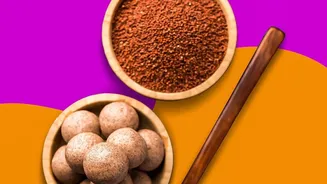




The Global Star vs. The Desi Champion
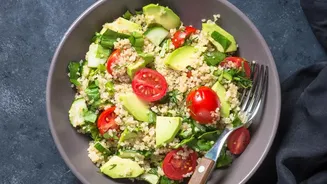
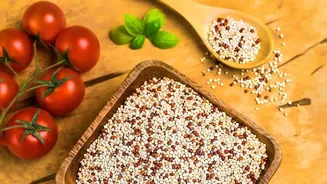
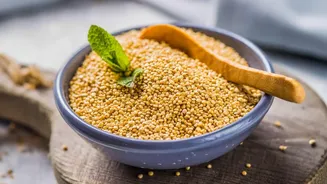
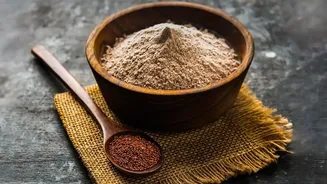
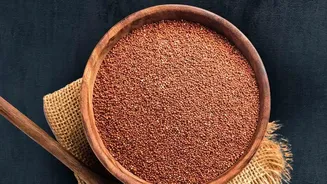
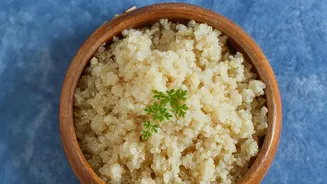
Quinoa, a seed from South America, has earned worldwide fame for its impressive nutritional profile. It's often called a 'superfood' and has become a staple in health-conscious kitchens across urban India. Ragi, or finger millet, is an ancient grain that
has been a cornerstone of Indian diets for centuries, especially in the southern states. While it may not have the same global marketing budget, this local champion packs a powerful nutritional punch that is deeply aligned with the dietary needs of the subcontinent.
Protein: The Complete vs. The Contender
This is quinoa’s main claim to fame. It is a 'complete protein', meaning it contains all nine essential amino acids our bodies can't produce on our own. Per 100 grams, uncooked quinoa offers a robust 14-16 grams of protein. Ragi contains a respectable but lower 7-10 grams of protein and is not a complete protein on its own. However, this isn't a deal-breaker. The Indian tradition of pairing millets with dals (lentils) or curd easily creates a complete protein profile, accomplishing the same goal at a fraction of the cost.
Calcium: Ragi's Unbeatable Advantage
If bone health is your priority, the choice is clear. Ragi is a calcium powerhouse. A 100-gram serving of ragi contains approximately 344-364 mg of calcium. To put that in perspective, quinoa offers around 47-198 mg in the same serving size, depending on the data source. This makes ragi one of the best plant-based sources of calcium available, crucial for growing children, women, and preventing osteoporosis. In a country where calcium deficiency can be a concern, ragi offers a significant, homegrown solution.
Fibre, Iron and Blood Sugar Control
Both grains are excellent for digestive health and managing blood sugar due to their high fibre content and low glycemic index (GI). Ragi often has a slight edge in dietary fibre, which promotes a feeling of fullness and aids in weight management. When it comes to iron, another critical mineral, the numbers vary, but some data suggests quinoa has a slight advantage. However, other sources note that certain millets, like bajra, contain even more iron than quinoa. Both ragi and quinoa have a low GI (around 53-55), meaning they release sugar into the bloodstream slowly, preventing sudden spikes and making them suitable for diabetics.
The Practical Choice: Cost and Versatility
This is where the 'nutrition gap' becomes a 'price gap'. Quinoa is largely imported and its price reflects shipping, duties, and premium branding, often costing five to seven times more than ragi. Ragi is locally grown, widely available, and incredibly affordable, making it a more sustainable and practical choice for daily consumption. Culinarily, ragi is already integrated into Indian cooking, used for everything from rotis and dosas to porridge and ladoos. While quinoa is versatile, its nutty flavour and texture can be unfamiliar to the Indian palate.