




The Romance of the Gated Manual
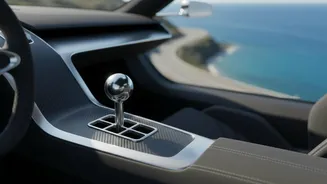
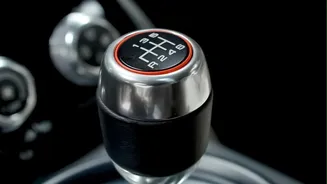
For a generation of enthusiasts, the open-gate manual shifter is more than just a way to change gears; it’s a symbol of ultimate driver involvement. Popularized by iconic supercars from brands like Ferrari and Lamborghini, the exposed metal H-pattern
requires precision and rewards the driver with a mechanical and auditory satisfaction that modern paddle shifters can’t replicate. It represents a physical connection between the driver and the machine, turning every gear change into a deliberate, skilled action. This tactile experience is the core of its appeal. In a world of seamless dual-clutch automatics that shift in milliseconds, the gated manual stands for a time when the driver’s skill was a vital part of the car's performance.
Why Did the True Manual Disappear?
Supercar manufacturers didn't abandon the manual transmission out of spite. The move was driven by a relentless pursuit of speed and performance. Modern dual-clutch transmissions (DCTs) can execute gear changes in fractions of a second, far faster than any human with a clutch pedal. This speed translates directly to better acceleration and faster lap times. Furthermore, as supercar engines began producing extreme levels of horsepower and torque, traditional manual gearboxes struggled to handle the immense forces reliably. Automakers also found that demand was plummeting; by the early 2010s, Ferrari reported that manual transmission sales accounted for less than one percent of its orders. The market had spoken, and the future was automated precision.
McLaren's Rumored High-Tech Return
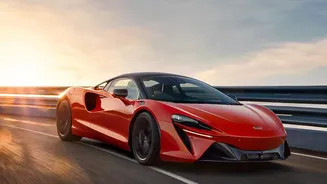
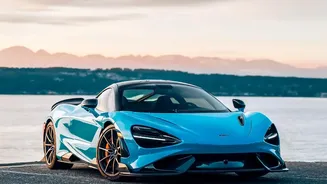
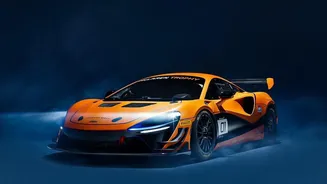
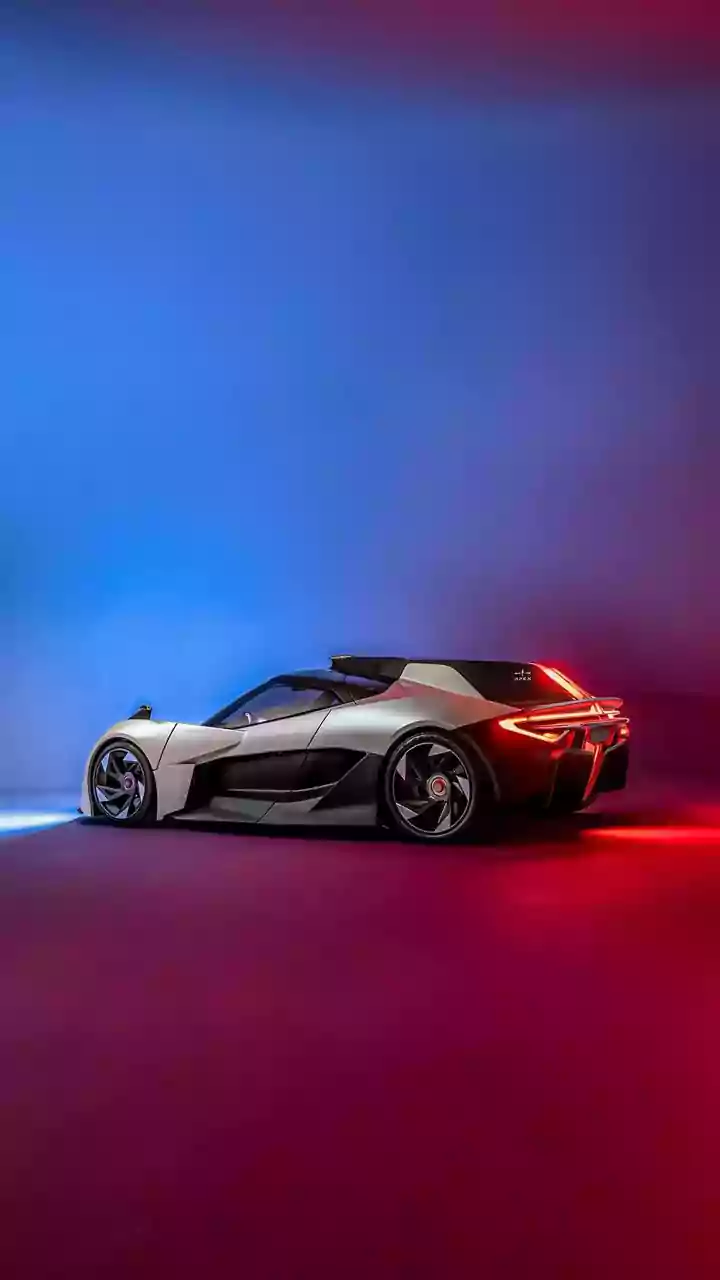
Recent industry whispers suggest McLaren is developing a highly exclusive hypercar, possibly codenamed 'P50', that could feature a manual gearbox—its first since the legendary McLaren F1 of the 1990s. However, the phrase 'manual gearbox' might be misleading. The headline's claim that the "mechanism is unclear" is the key to the story. Rather than a purely mechanical linkage, the industry is trending toward a clever hybrid solution. Recent patent filings from rival brands like Ferrari and Porsche reveal systems where a traditional-looking gated shifter acts as a sophisticated electronic controller for a modern automatic transmission. This 'shift-by-wire' setup would give drivers the beloved look and feel of a manual, complete with mechanical-feeling feedback, but without the performance drawbacks.
The Best of Both Worlds?
This new breed of shifter aims to solve a modern problem: how to restore driver engagement without sacrificing the blistering performance that defines a contemporary supercar. The goal is to blend analog sensation with digital precision. A driver could theoretically move a physical lever through a metal gate, perhaps even using a clutch pedal, while the car’s computer perfectly executes the shift via the dual-clutch gearbox. This could offer the satisfying ritual of manual shifting while preventing mistakes like a 'money shift' that could damage the engine. The primary challenge for engineers is authenticity. Can a system of sensors, motors, and haptic feedback truly replicate the organic feel of a mechanical connection? Purists may call it a simulation, but for many drivers, it could be a welcome compromise.
What This Signals for the Future
Whether McLaren's rumored car materializes or not, the conversation itself is significant. It shows that after years of prioritizing raw metrics, high-end automakers are acknowledging that the driving experience is a powerful selling point. Koenigsegg has already explored this territory with its CC850, which features a multi-clutch automatic that can be operated as a gated six-speed manual. These developments suggest a future where supercar buyers can choose their level of involvement. The focus is shifting from purely objective performance to subjective feeling and emotion. It's a recognition that in a world where cars are becoming increasingly autonomous and electrified, the simple, satisfying act of changing your own gear still holds immense value.