



Why Your Cooking Method Matters
The way you cook your food can have a major impact on its nutritional content. Heat, water, and cooking time can all change the makeup of your ingredients. Some cooking methods can cause water-soluble vitamins, like Vitamin C and B vitamins, to leach
out or degrade. However, cooking isn't the enemy; it can break down tough fibres and make many nutrients more digestible and available for your body to absorb. The goal is to choose methods that strike a balance, maximising both nutrient retention and flavour. Generally, cooking for shorter times and at lower temperatures helps preserve the most nutrients.
Steaming and Boiling: Gentle Hydration
Steaming is one of the healthiest ways to prepare food, especially vegetables. Because the food cooks in the steam above the water rather than being submerged in it, fewer water-soluble vitamins are lost. This method, used for dishes like dhokla and momos, retains nutrients, colour, and texture effectively. Boiling is also a common method, but it can cause significant nutrient loss as vitamins seep into the cooking water. If you do boil vegetables or lentils, try to use the leftover liquid in a soup or gravy to reclaim some of those lost nutrients. Studies have shown steaming is often preferred for both nutrient retention and taste compared to boiling, particularly for vegetables like broccoli.
Pressure Cooking: The Indian Kitchen Workhorse
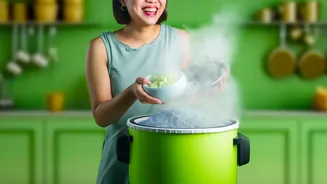
A staple in most Indian kitchens, the pressure cooker is a powerful tool for healthy eating. By using high-pressure steam, it drastically reduces cooking times. This shorter exposure to heat means it often preserves more nutrients than boiling or even prolonged sautéing. Research has shown that pressure cooking can retain 90-95% of nutrients in some cases. It's particularly effective at preserving the antioxidant capacity of foods like carrots and reducing anti-nutrients in legumes and grains, which improves protein digestibility. While some heat-sensitive vitamins like Vitamin C can still be reduced, it's generally less than with longer cooking methods.
Sautéing and Stir-Frying: Fast and Flavourful
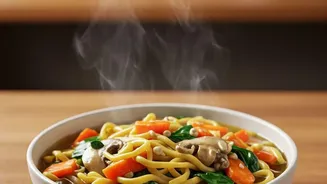
Quickly cooking chopped vegetables and lean proteins in a pan with a small amount of oil is a great way to create a flavourful meal. The key is to use high heat and keep the food moving to cook it quickly. This short cooking time helps to preserve the texture and nutrients of the ingredients. Compared to deep-frying, these methods use significantly less oil, reducing the overall fat and calorie content. To make it even healthier, use a good quality oil and rely on spices for flavour instead of excess salt.
Roasting and Baking: Dry Heat for Deep Flavour
Roasting and baking use dry heat in an oven to cook food, which can develop deep, rich flavours through caramelisation. These methods are excellent for meats and hardy vegetables like potatoes and cauliflower. Since no water is involved, water-soluble vitamin loss is minimal, although some B vitamins can be lost from meat juices. Baking can also be a healthier alternative to frying for items like samosas or pakoras. The key is to avoid very high temperatures for prolonged periods, which can lead to the formation of potentially harmful compounds, and to limit the amount of added fats.
The Frying Dilemma: Air Frying vs. Deep Frying
We all love a crispy snack, but traditional deep-frying involves submerging food in hot oil, adding significant amounts of fat and calories. The air fryer has emerged as a popular, healthier alternative. It works like a small convection oven, circulating hot air to create a crispy exterior with minimal oil. Using an air fryer can cut the fat content in foods by up to 80% compared to deep-frying. This not only reduces calories but also lowers the formation of harmful compounds like acrylamide. While it's a fantastic tool for making healthier versions of favourites like pakoras or french fries, remember that the healthiness of the final dish still depends on the base ingredients.