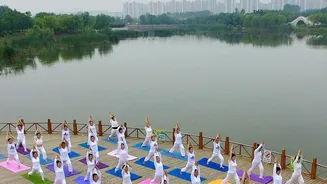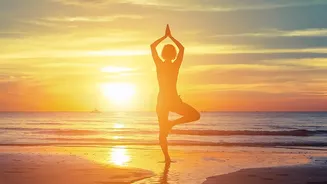



What Exactly Is Floating Yoga?
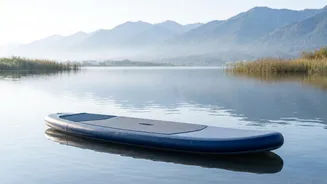
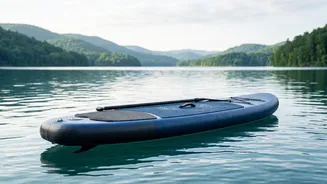
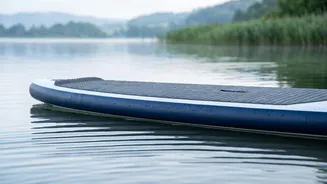
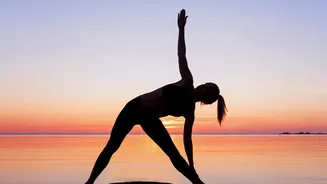
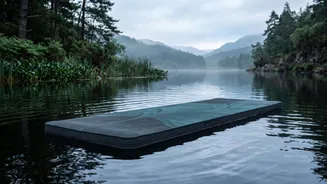
At its core, floating yoga is the practice of performing yoga poses on a stand-up paddleboard (SUP) while it's on a calm body of water. Think of a tranquil lake, a serene pool, or a protected bay. While the term 'floating yoga' could also include practices
like aerial yoga in silks, the version gaining immense popularity involves the board and the water. This unique environment swaps the predictable stability of a studio floor for the gentle, ever-present motion of water, creating an entirely new experience that is both a workout and an adventure. It's a practice that attracts seasoned yogis looking for a new challenge, paddleboarders wanting to improve their balance, and complete beginners drawn by the promise of connecting with nature while they move.
A Deeper Core Workout
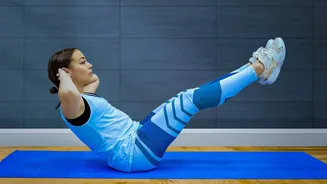
The most significant physical benefit of taking your practice onto a paddleboard is the incredible core engagement. On a stable floor, your body can sometimes get away with minor imbalances, but on a board, there's no faking it. The unstable surface forces you to constantly engage your core muscles to maintain balance, adding a new layer of intensity to every pose. This isn't just about your 'six-pack' muscles; it involves the small, stabilizing muscles throughout your trunk, hips, and even your ankles and feet that are often neglected in traditional workouts. This constant work to stay centered builds functional strength, improves posture, and enhances your overall balance and coordination in a way that a land-based practice simply can't replicate.
Forced Mindfulness and Focus
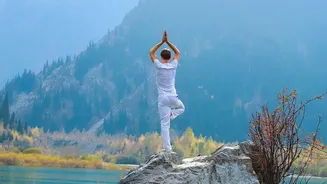
In a typical yoga class, it can be easy for the mind to wander. On a paddleboard, however, a lack of focus can lead to an unexpected splash. This immediate feedback mechanism is a powerful tool for cultivating mindfulness. Every movement must be deliberate and precise, requiring your full attention. This intense focus draws you completely into the present moment. The experience becomes a moving meditation, where the goal isn't just to hold a pose but to harmonise your breath and body with the subtle shifts of the board. The gentle rocking of the water, the feeling of the sun, and the sound of your fingertips dipping into the water all contribute to a profound sense of calm and stress relief.
Is It as Hard as It Looks?
Scrolling through social media might give you the impression that SUP yoga is reserved for elite athletes performing headstands at sunset. The reality is far more accessible. While it is challenging, it’s a beginner-friendly activity. Instructors typically start classes with simple, low-to-the-board poses like a seated Sukhasana (Easy Pose) or Balasana (Child's Pose) to help you get a feel for the board's movement. You don't need to be an expert yogi or paddleboarder to try it. The key is to start slow, keep your centre of gravity low, and embrace the wobble. Falling in is often part of the experience, and it usually ends with a laugh and a refreshing dip.
Tips for Your First Session
If you're ready to give it a try, a few tips can make your first time more enjoyable. First, choose an introductory class with a certified instructor who can guide you on safety and technique. Look for classes held in calm, sheltered water. Wear comfortable workout clothes that you don't mind getting wet—swimwear or quick-drying fabrics are ideal. Don't forget sunscreen and a water bottle. Most importantly, bring an adventurous spirit and a sense of humour. Leave your ego on the shore and be prepared to play. The beauty of floating yoga isn't in achieving perfect poses, but in the experience of trying something new, challenging your body, and finding a moment of peace on the water.