
What Exactly Is Pilates?
Pilates is a full-body exercise system developed in the early 20th century by Joseph Pilates. Inspired by disciplines like yoga, ballet, and calisthenics, it focuses on controlled, precise movements designed to strengthen and stabilize the body. The practice
is guided by six core principles: concentration, control, center, flow, precision, and breath. These principles work together to create a mindful workout that connects physical movement with mental focus. Unlike some forms of strength training that aim to bulk up muscles, Pilates focuses on building muscle tone and endurance, resulting in a lean, balanced physique.
The Core of the Matter
When people talk about core strength, they often just mean their abs. Pilates takes a much more comprehensive approach. It targets the body's 'powerhouse,' which includes the deep abdominal muscles, lower back, hips, and buttocks. These muscles act as a central support system for the entire body. By focusing on them, Pilates helps create a strong, stable foundation that can protect the spine, improve posture, and enhance muscular control of the back and limbs. This deep, integrated approach to core training is what sets it apart from traditional abdominal exercises.
More Than Just Abs
While its reputation is built on core conditioning, the benefits of Pilates extend throughout the body. Consistent practice can lead to significant improvements in overall flexibility, posture, and body awareness. Many of the exercises involve full-body movements that promote balanced muscle development on both sides of the body, correcting imbalances that can lead to pain or injury. Furthermore, the emphasis on mindful movement and controlled breathing helps reduce stress and enhances the connection between mind and body, making it a holistic wellness practice.
Is It Truly Low-Impact?
Yes, one of the defining features of Pilates is its low-impact nature. The exercises consist of controlled and flowing movements, often performed while lying down or sitting. This minimizes stress on the joints, particularly the knees, hips, and spine. Because it is gentle on the joints, Pilates is an excellent choice for a wide variety of people, including older adults, individuals recovering from injuries, or those with conditions like arthritis. By strengthening the muscles around the joints, it can actually help support them and reduce strain.
Getting Started: Mat vs. Reformer
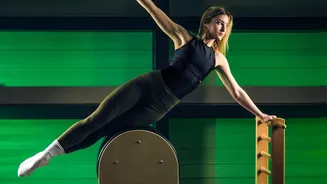
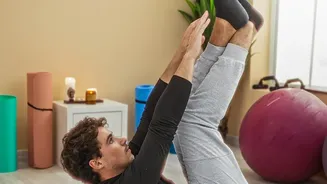
For beginners, the two most common entry points are Mat Pilates and Reformer Pilates. Mat Pilates is the foundational form of the practice, using your own body weight as resistance on a mat. It's highly accessible and an excellent way to master the core principles of control and centering. Reformer Pilates is performed on a machine with springs and pulleys that provide adjustable resistance and support. This can help isolate specific muscles and may allow those with limited mobility to perform exercises safely. Many beginners find the reformer's support helpful for learning proper form, though mat work is considered the fundamental practice. Neither is inherently better; they complement each other to build strength and mobility.
Who Can Benefit?
Pilates is famously adaptable and can be tailored to suit almost any fitness level or goal. It’s beneficial for elite athletes looking to enhance performance and prevent injury, as well as for absolute beginners just starting their fitness journey. Due to its low-impact and modifiable nature, it's also highly recommended for pregnant women and older adults looking to maintain strength and balance. The key is finding a qualified instructor who can assess your needs and provide appropriate modifications to ensure the workout is both safe and effective for you.