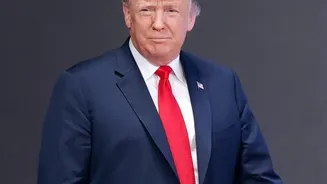





In one of the most dramatic turnarounds in recent corporate history, Nvidia co-founder Jensen Huang has been reinstated as CEO. His return comes just 11 days after his shocking resignation, capping a tumultuous period for the world's leading AI chipmaker.
A Shocking Departure
On November 12, 2026, the tech world was rocked by the news that Jensen Huang, the iconic, leather-jacket-clad CEO of Nvidia, had resigned from the company he co-founded in 1993. The departure was abrupt, with the board announcing that Huang was stepping down from his roles as President, CEO, and board member, effective immediately. In his place, the company's highly respected Chief Financial Officer, Colette Kress, was appointed as Interim CEO, tasked with steering the $4 trillion company through sudden and choppy waters. The move followed days of intense speculation and media reports concerning Huang's personal conduct, which had placed his leadership under immense pressure and reportedly triggered an emergency board meeting. For the first time in over 33 years, Nvidia was without its founding leader, sending a wave of uncertainty across the industry and markets.
Allegations of Affairs and Espionage
The catalyst for the resignation was a series of damaging reports about Huang's extramarital affairs. The scandal broke when news outlets detailed his relationship with a woman whom U.S. intelligence officials reportedly suspected of being a Chinese intelligence asset. This individual was an executive at a company that purchased Nvidia chips, raising immediate concerns about potential national security risks and corporate espionage. The situation escalated when further reports alleged Huang had engaged in affairs with at least one Nvidia employee who reported to him. While Huang issued an apology for mistakes in his personal life, the combination of personal misconduct and potential geopolitical implications created a perfect storm. The board initiated an independent investigation, and Huang's position became untenable, leading to his swift exit.
An 11-Day Interlude of Uncertainty
In the immediate aftermath of Huang's departure, Nvidia's stock plunged, wiping out billions in market value as investors grappled with the company's future. For many, Huang and Nvidia were one and the same; his vision had transformed the company from a maker of gaming graphics cards into the dominant force in the artificial intelligence revolution. Despite a public statement from Huang expressing that he would be 'honored' to return if asked, the board initially signaled it was moving on, telling investors it did not intend to reinstate him. The industry was rife with speculation about who could possibly fill his shoes, while the board began a formal search for a permanent successor, considering both internal and external candidates.
The Stunning and Swift Reversal
Then, in a stunning reversal, Nvidia's board announced on November 23 that it had unanimously voted to reinstate Jensen Huang as CEO. The decision came after just eleven days. In its official statement, the company revealed a critical factor in the turnaround: it had received 'input from senior levels of the United States government'. Based on that input, the board stated it was confident that Huang's return posed 'no national security risk'. The announcement was a bombshell, reversing what had seemed like a final decision and setting the stage for one of the fastest leadership comebacks in corporate history. Upon the news, Nvidia's shares surged, recovering a significant portion of their losses and underscoring the market's belief in Huang's leadership.