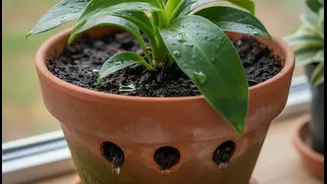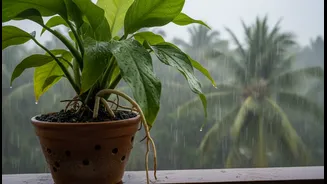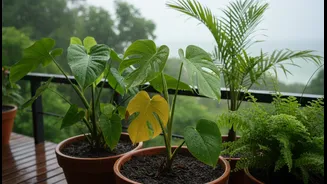






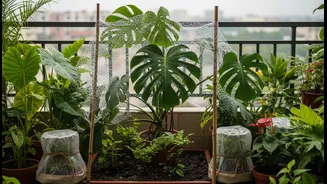
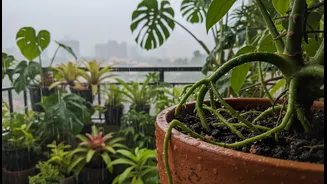


The Challenge of Monsoon Humidity
While rainwater provides natural nourishment, the persistent dampness and high humidity of the Indian monsoon create an ideal breeding ground for harmful pathogens. Fungal diseases such as powdery mildew, black spot, and root rot thrive in these conditions.
When leaves remain wet for extended periods and air cannot circulate freely, these issues can take hold quickly, turning a thriving garden into a struggling one. This moist environment is also a haven for common garden pests like mealybugs, aphids, snails, and slugs, which multiply rapidly and can cause significant damage if left unchecked.
Pruning for Better Airflow and Health
Pruning is the simple practice of selectively removing parts of a plant, like branches, leaves, or stems. One of its most significant benefits during the monsoon is improving air circulation. When a plant is dense with foliage, it traps moisture and humidity within its canopy. By thinning out crowded areas, you allow air to move freely through the branches, which helps leaves dry faster after a downpour. This simple action drastically reduces the risk of fungal infections that depend on damp conditions to spread. Removing dead or diseased branches also redirects the plant's energy toward healthy, new growth.
Why Inspection Becomes Effortless
A dense, overgrown plant can easily hide the first signs of trouble. Pests and the early stages of fungal diseases often start on the underside of leaves or deep within the plant's core, making them difficult to spot. A well-pruned plant, with its open structure, makes regular inspections far more effective. You can easily see the base of the stems, the joints where pests like mealybugs gather, and the surfaces of inner leaves. This clear line of sight allows for early detection, which is crucial for managing problems before they spread throughout your garden. Regular checks on a pruned plant take less time and yield better results.
A Monsoon Pest and Disease Checklist
Knowing what to look for is half the battle. During your inspections, keep an eye out for these common monsoon issues: Powdery Mildew: A white, dusty coating on the surface of leaves. It thrives in high humidity with poor airflow. Black Spot: Dark, circular spots on leaves, often surrounded by a yellow halo. Root Rot: Wilting leaves despite wet soil and blackened, mushy roots are classic signs. This is caused by excess water and poor drainage. Mealybugs: These pests appear as white, cotton-like clusters on stems and at the base of leaves. Aphids: Tiny sap-sucking insects that gather on new growth and the undersides of leaves, often causing them to curl. Slugs and Snails: These creatures love the damp conditions and chew irregular holes in leaves.
Smart Pruning Techniques for the Season
While pruning is beneficial, it's important to do it correctly to avoid stressing the plant. It's often best to prune just before the monsoon begins or during a dry spell between heavy rains. Always use sharp, clean tools to make clean cuts, which heal faster and are less susceptible to infection. Focus on removing any dead, diseased, or yellowing leaves and branches first. Then, thin out branches that are crossing or crowding each other to open up the plant's canopy. Avoid heavy pruning during the peak of the monsoon, as the constant wetness can make it harder for fresh cuts to heal, potentially leading to dieback.