





The New Details: What Exactly Changed?
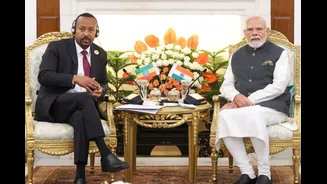
In early September 2026, Uzbekistan announced significant updates to its entry requirements for Indian citizens. The most impactful change is a new rule allowing certain Indian passport holders to enter Uzbekistan for up to 30 days without a visa. Specifically,
this applies to Indians who hold a valid multiple-entry visa for countries like the United States, the UK, Canada, Japan, South Korea, or Schengen Area nations. This move, announced following high-level bilateral talks, replaces the need for these travelers to apply for an e-visa, streamlining the entire process. For those not covered by this specific rule, the straightforward e-visa process remains in place. This development is a clear signal of Uzbekistan's intent to strengthen tourism and cultural ties with India.
More Flights, Greater Convenience
Getting to Uzbekistan has also become significantly easier. In September 2026, Centrum Air, a private Uzbek airline, launched new direct flights connecting Hyderabad with Tashkent. This adds to their existing services from Delhi and reflects growing confidence in the Indian market. These new routes provide a crucial 'air bridge' to South India, a region previously without direct connectivity. With Uzbekistan Airways also operating regular flights, Indian travellers now have more choices and competitive fares than ever before. The flight time from cities like Delhi to Tashkent is just around three and a half hours, making it a surprisingly accessible short-haul international destination.
A Journey into Shared History
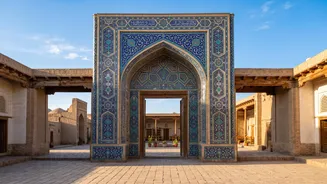
The appeal of Uzbekistan for Indians goes far beyond logistics. It’s a journey into a deeply intertwined past. The Mughal dynasty, which ruled India for centuries, traces its lineage back to this region, with Emperor Babur hailing from the Fergana Valley. This shared heritage is visible in the architecture, art, and culture of cities like Samarkand, Bukhara, and Khiva. These UNESCO World Heritage sites, with their breathtaking mosques and madrasas covered in turquoise tiles, often feel both grandly foreign and strangely familiar. For history enthusiasts, walking through the Registan Square in Samarkand is like stepping into a history book read in Indian schools.
Cultural Comforts and Surprising Affordability
The cultural connection extends to everyday life. Indian visitors are often delighted to find culinary cousins like 'somsa' (samosa) and 'plov' (pulao). The warm hospitality of the Uzbek people is frequently noted, with many locals connecting with Indian visitors over a shared love for Bollywood cinema. Beyond the cultural warmth, Uzbekistan is remarkably affordable. The cost of accommodation, food, and transport is significantly lower than in many popular European or Southeast Asian destinations, giving Indian travellers greater spending power. This combination of cultural resonance and value for money makes it an incredibly rewarding destination.
Beyond Tourism: A Deepening Bond
These new travel policies are part of a broader push to strengthen the relationship between India and Uzbekistan. Increased connectivity is expected to boost not just tourism but also trade, education, and even medical travel. Hyderabad's role as a major pharmaceutical hub, for instance, is a key factor in the new flight route, as Indian medical products are a significant part of Uzbekistan's market. As more Indians explore the ancient cities and bustling bazaars of Uzbekistan, they are not just tourists; they are participants in a renewed chapter of a centuries-old friendship. The latest travel updates have simply opened the door a little wider.