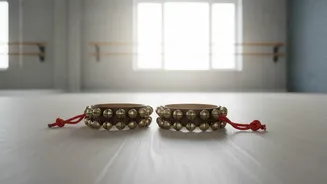








1. A Full-Body Workout in Disguise
Forget counting reps and watching the clock. Group dancing is a dynamic, full-body workout that feels more like play than exercise. From the rhythmic steps of salsa to the flowing movements of contemporary, dance engages your core, legs, and arms simultaneously,
promoting balanced muscle development. This form of aerobic exercise improves cardiovascular health, builds muscular endurance, and enhances stamina. Unlike isolated gym exercises, a dance class challenges your coordination, agility, flexibility, and balance all at once. You’re so focused on the steps, the music, and your fellow dancers that you barely notice you’re getting a high-intensity, low-impact workout that burns calories and boosts your overall fitness.
2. A Major Boost for Your Brain
Dancing is as much a mental exercise as it is a physical one. Learning and memorising choreography requires significant mental focus and recall, creating new neural pathways in the brain. Studies have shown that this process improves cognitive function, including skills like visual recognition and decision-making. Following complex sequences and staying in sync with the music enhances your memory and concentration. Furthermore, navigating a shared space with other dancers improves spatial awareness. This unique combination of mental tasks—remembering steps, adjusting to timing, and responding to a partner—keeps your brain sharp, engaged, and resilient.
3. A Natural Mood-Lifter and Stress-Buster
Had a stressful day? A dance class might be the perfect antidote. The combination of physical movement and music is a powerful tool for improving mental well-being. Dancing releases endorphins, the brain's natural feel-good chemicals, which elevate your mood and can reduce feelings of anxiety and depression. In fact, some studies suggest that dance can be more effective at easing depression symptoms than other forms of exercise. Concentrating on rhythm and movement fosters a state of mindfulness, helping you let go of distressing thoughts and stay present in the moment. This mental reset helps lower levels of the stress hormone cortisol, leaving you feeling refreshed, accomplished, and emotionally balanced.
4. Genuine Social Connections and Community
In a world where many people feel increasingly isolated, group dancing provides a powerful antidote to loneliness. Unlike the solo environment of a gym, a dance studio is built on collaboration and shared expression. Working with partners and moving in sync with a group fosters teamwork, trust, and camaraderie. This shared goal creates natural opportunities for conversation, laughter, and mutual encouragement, helping to break down social barriers. These regular interactions can lead to lasting friendships and a strong sense of belonging within a supportive community. This social bonding aspect is a key reason dance is so beneficial for mental health, as it combats loneliness and reinforces a sense of connection.
5. A Powerful Boost to Confidence
Stepping into a dance class can be intimidating, but the rewards for your self-esteem are immense. Mastering new steps and seeing your skills improve provides a tangible sense of accomplishment that builds confidence. As you become more comfortable with the movements, you also develop greater body awareness and physical confidence. This boost often extends beyond the studio, influencing how you carry yourself in daily life with improved posture and self-assurance. Performing in a supportive, non-judgmental environment helps you overcome shyness and gain confidence in expressing yourself. This newfound self-belief is one of the most transformative benefits of embracing the challenge of dance.