






A Vow Born from Desperation
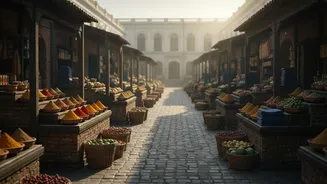
The story of Lalbaugcha Raja begins in 1932, a time of uncertainty for the fishermen and vendors of Mumbai's Lalbaug area. Their livelihood depended on a bustling marketplace at Peru Chawl, which was abruptly shut down, leaving them without a place to earn
their living. Faced with economic hardship, the community of predominantly Koli fishermen and local traders turned to their faith. They made a collective vow, or 'navas', to Lord Ganesha: if they were granted a permanent place to re-establish their market, they would install an idol in his honour as a mark of gratitude.
A Prayer Answered, A Promise Kept
Their prayers were answered. Through the efforts of local community leaders and the generosity of a landowner named Rajabai Tayyabali, a plot was secured for the construction of a new, permanent market. True to their word, the grateful community established the first Sarvajanik Ganeshotsav Mandal of Lalbaug. On September 12, 1934, they installed the very first idol of what would come to be known as Lalbaugcha Raja. In a nod to its founders, that initial idol was uniquely adorned in the traditional attire of a fisherman, a direct tribute to the community whose faith had brought it into existence. This act of thanksgiving cemented the idol's reputation from the very beginning as the 'Navsacha Ganpati'—the one who fulfills wishes.
From Humble Idol to Cultural Icon
From that first celebration born of a fulfilled promise, the legend of Lalbaugcha Raja grew. The mandal was formed during the peak of India's freedom struggle, and the annual festival became a platform for fostering unity and national pride, an aspect encouraged by leaders like Lokmanya Tilak who saw Sarvajanik Ganeshotsav as a powerful tool for social mobilisation. The Kambli family, who began sculpting the idol in 1935, have maintained its iconic look for generations, with their artistry becoming synonymous with the Raja himself. What started as a five-foot idol for a local market community has transformed over nine decades into a towering figure, often exceeding 18 feet, that draws devotees from across the globe.
The Enduring Spirit of the Market
Today, the queues for a glimpse of the Raja can stretch for hours, sometimes even days, with millions of people from all walks of life, including industrialists and Bollywood celebrities, coming to seek blessings. Yet, at its core, the phenomenon of Lalbaugcha Raja is still deeply connected to its origins. It is a powerful reminder of how a community's collective prayer for economic stability evolved into one of the most significant public celebrations of faith in India. The 'permanent market promise' was more than just a transaction; it was the bedrock of a tradition that has spiritually enriched Mumbai for nearly a century. The grand festival we see today is a living testament to a simple vow made by a group of vendors and fishermen, whose gratitude continues to echo in the chants of 'Ganpati Bappa Morya' that fill the lanes of Lalbaug each year.