


The Problem with 'Spice Dumping'
Many home cooks treat spices as an afterthought, dumping them into a simmering pot of liquid along with everything else. While convenient, this approach often leads to a muddled, one-dimensional flavour. The reason lies in chemistry. Many of the aromatic
compounds that give spices their characteristic scent and taste are fat-soluble, not water-soluble. When added directly to a water-based sauce or soup, these essential oils don't get a chance to be fully released, leaving much of their potential locked away. The result is a dish that lacks the vibrant, distinct aroma you were hoping for, with some spices tasting raw or failing to integrate properly.
The Science of Blooming and Layering
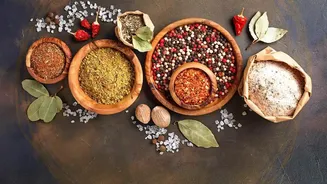
The secret to unlocking a spice’s full potential is a technique central to many global cuisines, especially Indian cooking, where it is known as 'tadka' or 'tempering'. This technique involves briefly frying whole or ground spices in a hot fat like oil or ghee. The heat ruptures the spice's cell walls, while the fat acts as a carrier, extracting the oil-soluble flavour compounds and distributing them evenly throughout the dish. This initial step is often called 'blooming'. Layering takes this a step further by adding different types of spices at different stages of the cooking process. Hardy whole spices go in early, ground spices are added for a shorter time, and delicate fresh herbs are often stirred in at the very end to preserve their freshness. This ensures each component contributes its best character without being burned or lost.
A Practical Guide to Staged Spicing
Thinking about cooking in stages can transform your results. Here’s a simple framework: 1. The Beginning: Bloom Whole Spices. Start by heating your oil or ghee over medium heat until it shimmers. This is the moment for whole, hardy spices like cumin seeds, mustard seeds, cardamom pods, or cinnamon sticks. Add them to the hot oil and let them sizzle for 30 seconds to a minute, until they become fragrant and mustard seeds begin to pop. These spices need the most time to release their deep, foundational flavours. 2. The Middle: Add Ground Spices. After your aromatics like onions and garlic have softened, it's time for ground spices like turmeric, coriander, and chilli powder. Because they have more surface area, ground spices cook and burn much faster. They typically only need 30 to 60 seconds of stirring in the hot oil before you add a liquid (like stock, water, or tomatoes) to stop the cooking process and prevent bitterness. 3. The End: Finish with Delicate Flavours. Fresh, soft herbs like cilantro, parsley, or basil have volatile oils that are easily destroyed by prolonged heat. To preserve their bright, fresh aroma, stir them in during the last minute or two of cooking, or simply sprinkle them over the dish just before serving. Similarly, 'finishing spices' like garam masala are often added at the end to provide a final, aromatic flourish.
Common Mistakes to Avoid
While layering spices is a powerful technique, a few common pitfalls can sabotage your efforts. First, don't walk away from the pan. Blooming spices happens quickly—sometimes in under 30 seconds—and requires your full attention to prevent burning. A burnt spice will impart a bitter, acrid taste that can ruin an entire dish. Second, make sure your oil is hot but not smoking. If the oil is too cool, the spices will just soak in it without releasing their aroma. If it's smoking, they will scorch almost instantly. Finally, have your next ingredients prepped and ready to go. When it’s time to add ground spices, you need to be ready to add your liquid base immediately after to halt the frying and incorporate the flavours.