


Why Your Body Loves Ragi
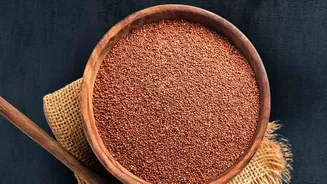
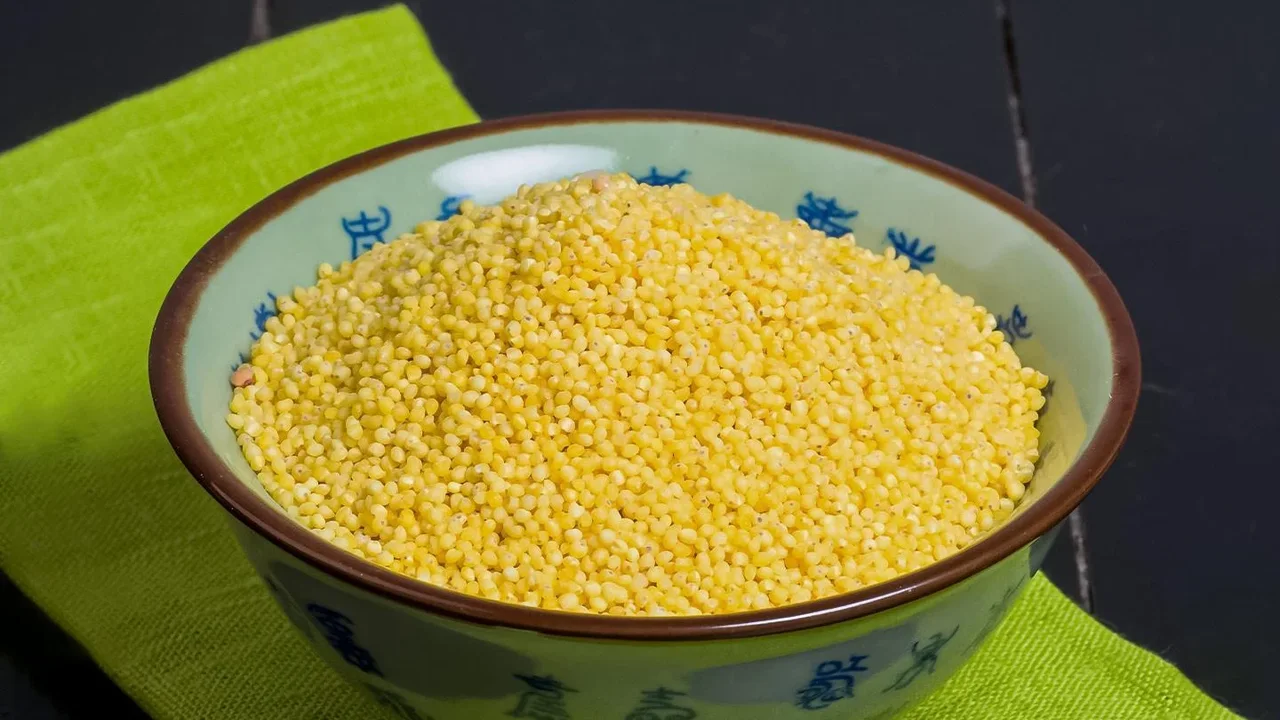
Before we dive into the recipes, it’s worth knowing why ragi, or finger millet, is considered a superfood. This ancient grain is a nutritional powerhouse. It is exceptionally rich in calcium, which is crucial for maintaining bone density and health. It is also
a great source of iron, helping to combat anaemia and boost energy levels. The high dietary fibre content in ragi aids digestion, helps in weight management by keeping you feeling full for longer, and plays a role in regulating blood sugar levels, making it a favourable choice for people with diabetes. Furthermore, ragi is packed with antioxidants and amino acids that contribute to healthy skin and hair.
A Powerful Start to Your Day
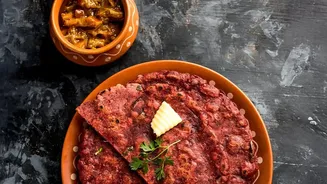
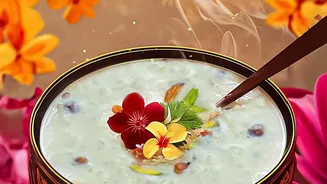
Breakfast is the perfect meal to introduce ragi. An instant Ragi Dosa is one of the easiest options. Simply mix ragi flour with rice flour or wheat flour, some curd, finely chopped onions, green chillies, and spices to form a thin batter. Pour it onto a hot tawa for a crispy, savoury crepe. Another fantastic option is Ragi Porridge, also known as Ragi Malt. This can be made sweet or savoury. For a sweet version, cook ragi flour in water or milk until it thickens, then sweeten with jaggery and add a pinch of cardamom. For a savoury take, cook the flour in water with a pinch of salt and then mix in buttermilk once it cools.
Wholesome Main Courses
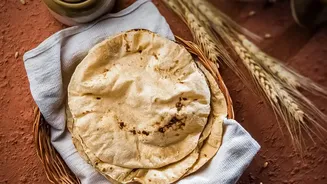
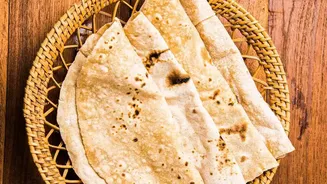
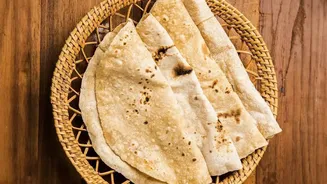
For lunch or dinner, soft Ragi Rotis are a wonderful, healthy alternative to wheat chapatis. The secret to making them soft is to knead the dough with hot water. Boil water with a little salt and oil, then add the ragi flour and mix quickly. Once it's cool enough to handle, knead it into a smooth dough, roll it out, and cook on a tawa. These rotis pair beautifully with any dal or sabzi. Another staple, especially in Karnataka, is Ragi Mudde. These are soft, steamed balls made from just ragi flour and water. They are traditionally served with a flavourful sambar or a leafy green curry, making for a filling and nutritious meal.
Guilt-Free Snacking
Ragi is also incredibly versatile when it comes to snacks. You can make crunchy Ragi Murukku by combining ragi flour with rice flour and besan, adding spices, and then deep-frying the pressed dough. For a healthier baked option, try making Ragi Cookies or biscuits. These are often made by combining ragi flour with whole wheat flour, ghee, and a sweetener like jaggery or sugar, resulting in a melt-in-the-mouth treat. If you crave something savoury and quick, Ragi Pakodas are an excellent choice. A batter made of ragi flour, besan, sliced onions, and spices can be fried into crispy fritters perfect for a rainy day.