



A Unifying Plate of Comfort
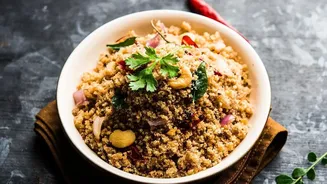
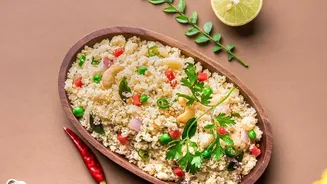
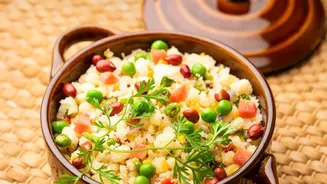
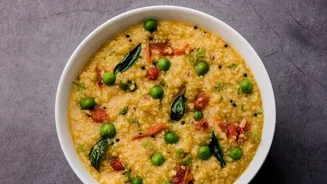
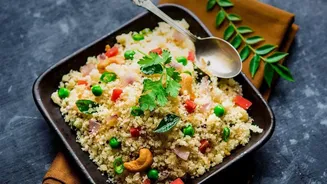
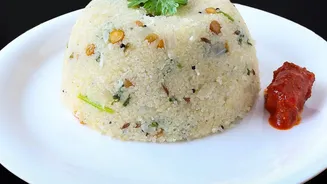
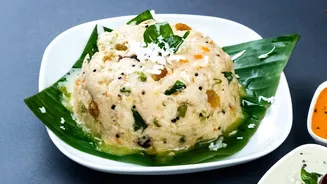
At its heart, Upma is a thick, savoury porridge made from dry-roasted semolina (rava or sooji) or coarse rice flour. Its name itself hints at its simple origins, derived from 'uppu' (salt) and 'mavu' or 'hittu' (flour) in several South Indian languages.
It's a quick, filling, and incredibly versatile dish, beloved as a go-to breakfast or a light evening meal. While the core method involves cooking the grain in hot, salted water until it becomes soft and fluffy, the true identity of the dish is forged in the first few moments of cooking. This is where a seemingly minor process introduces a world of flavour.
The Science and Soul of Tempering
Tempering, known as 'tadka' or 'chaunk', is a foundational technique in Indian cooking. It involves blooming whole or ground spices in hot fat, like ghee or oil. This isn't just for show; the heat causes the tough cell walls of the spices to rupture, releasing their volatile essential oils. These aromatic compounds are fat-soluble, meaning the hot oil or ghee becomes an infused flavour carrier, distributing the essence of the spices evenly throughout the entire dish. A simple tadka of mustard seeds, lentils, and curry leaves can elevate a plain grain into something profoundly aromatic and complex. This single step is where regional character is born.
Karnataka's Spicy and Savoury Khara Bath
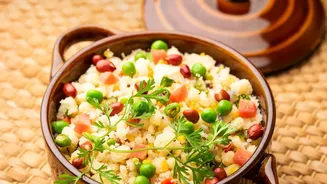
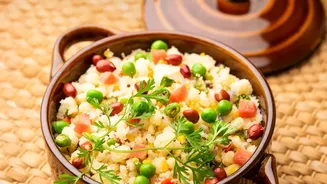
In Karnataka, Upma often takes the form of 'Khara Bath'. True to its name, which means 'spicy dish', this version is bolder and more robust. The tempering is a busy affair, typically including mustard seeds, cumin seeds, chana dal (split chickpeas), and urad dal (split black gram), which get toasted in the oil to provide a nutty crunch. But what often sets it apart is the addition of a special spice powder, sometimes similar to a sambar or bisi bele bath powder, which can include notes of cinnamon and clove. Onions, green chillies, ginger, and vegetables like carrots and peas are common additions. Famously in Bengaluru, Khara Bath is served alongside its sweet counterpart, Kesari Bath, in a combination called 'Chow Chow Bath'.
Maharashtra's Hearty and Tangy Sanja
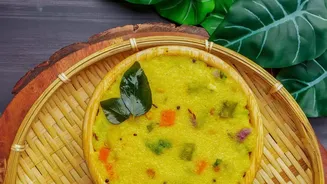
Travel to Maharashtra, and you'll find 'Sanja' or 'Upeet'. This version introduces a delightful tangy note, often from the use of buttermilk or curd in the cooking liquid instead of just water. The tempering often starts with mustard seeds and cumin, but peanuts are a very common addition, providing a satisfying crunch in every bite. The inclusion of turmeric powder gives Sanja a characteristic yellow hue, a departure from the paler versions found further south. Often topped with freshly grated coconut and sometimes crispy sev, Maharashtrian Sanja strikes a beautiful balance between savoury, tangy, and a subtle sweetness from a pinch of sugar.
Tamil Nadu's Classic Rava Upma
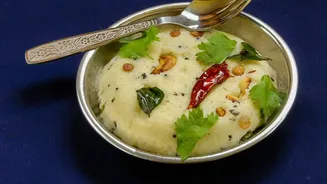
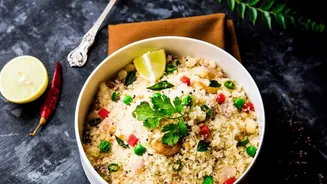
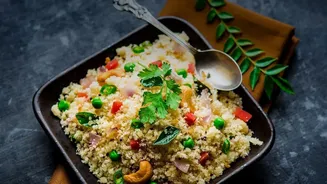
The classic Rava Upma popular in Tamil Nadu often celebrates simplicity. The tempering here might be more restrained, focusing on mustard seeds, urad dal, chana dal, curry leaves, and green chillies. A generous amount of ghee is often preferred, lending a rich aroma. Cashews, fried to a golden brown in the tempering, are a hallmark of a well-made Tamil-style Upma. Vegetables are used, but a version known as 'Rava Kichadi' is richer, more moist, and typically loaded with them. Another variation in the state is a version flavoured with a refreshing squeeze of lemon juice at the end, offering a light, tangy finish perfect for warm mornings.