



The Power of a Common Thread
The secret to transforming a random assortment of pots into a deliberate, stylish arrangement is to find a unifying element. Interior designers often talk about creating a visual narrative. Whether you're working with a vast collection or just a few treasured
pieces, grouping them by a shared characteristic tells a story and creates a sense of harmony. It’s the difference between a jumble of objects and an intentional, artful display. The goal is to create a composition that feels balanced and pleasing to the eye, making your collection look cohesive rather than chaotic.
Grouping by Glaze: A Study in Colour and Texture
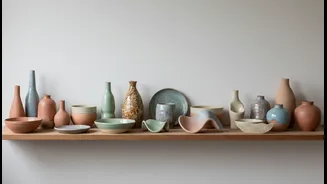
One of the most impactful ways to group ceramics is by their glaze. This approach focuses on colour and finish, creating an immediate visual connection between pieces. You could create a monochromatic display, grouping all your white or green pottery together for a bold statement against a wall. This creates a striking, unified look. Another technique is to play with different shades of the same colour for a tonal effect, such as grouping various blues for a calming feel. Don't forget about texture; combining glossy and matte finishes within the same colour family adds another layer of depth and sophistication. The interplay between light-reflecting glossy surfaces and soft, velvety matte ones creates a subtle but engaging contrast.
Arranging by Shape: A Conversation of Forms
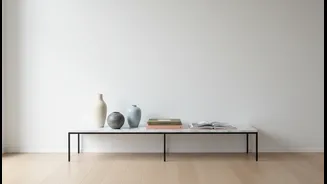
Grouping ceramics by shape or silhouette establishes a rhythm and flow. You can create harmony by displaying pieces with similar forms, such as a collection of round-bellied vases or straight-sided planters. Alternatively, create a more dynamic display by contrasting different shapes. A classic design principle is the 'rule of three,' which suggests that items arranged in odd numbers are more appealing and memorable to the human eye. Try grouping three vases of varying heights. Place the tallest in the back, a medium one to the side, and the smallest in front to create a visually pleasing triangle. This variation in height and scale keeps the arrangement from feeling flat.
Telling a Story with Origin
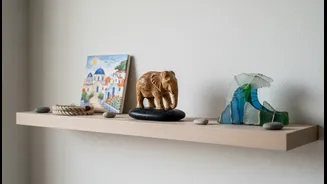
If your collection includes pieces with personal history, grouping them by origin can create a deeply meaningful display. This method is all about storytelling. Arrange together all the pieces you found during your travels to a specific region, or group the works of a single artist. This approach turns your shelf into a kind of personal museum, where each cluster tells a story about a place, a person, or a period. You could display pottery from a specific era together to highlight a particular style, such as Mid-Century Modern. This not only creates a cohesive look but also imbues your space with personality and history, sparking conversation and reminding you of your experiences.
Breaking the Rules with Finesse
Once you understand the principles, you can start to mix and match them. A cohesive display might feature ceramics of the same shape but in a variety of different glazes. Or you could group items by a shared colour palette, while allowing their shapes and origins to be completely different. For example, a collection of blue ceramic pitchers can look charming next to vintage green bowls. The key is to ensure there’s at least one common element tying the vignette together, whether it’s colour, form, texture, or style. Don't be afraid to experiment; move things around until the arrangement feels balanced and brings you joy.