








The Soul of Chhath in Patna
Chhath Puja, an ancient Vedic festival dedicated to the Sun God (Surya) and Chhathi Maiya, is the most significant cultural event in Bihar. Spanning four days of rigorous rituals, it culminates in devotees gathering at water bodies to offer 'Arghya' (prayers)
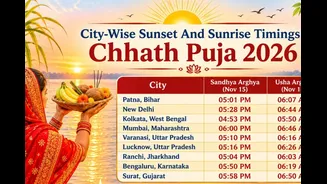
to the setting and rising sun. In Patna, the banks of the holy Ganga become the heart of these celebrations, drawing millions. For 2026, the main rituals of Sandhya Arghya (evening offering) and Usha Arghya (morning offering) will take place on the evening of November 15 and the morning of November 16, respectively. The city administration prepares over 100 ghats and ponds, but Gandhi Ghat and Patliputra Ghat offer distinct experiences for devotees and visitors alike.
Gandhi Ghat: Historic Heartbeat of Faith
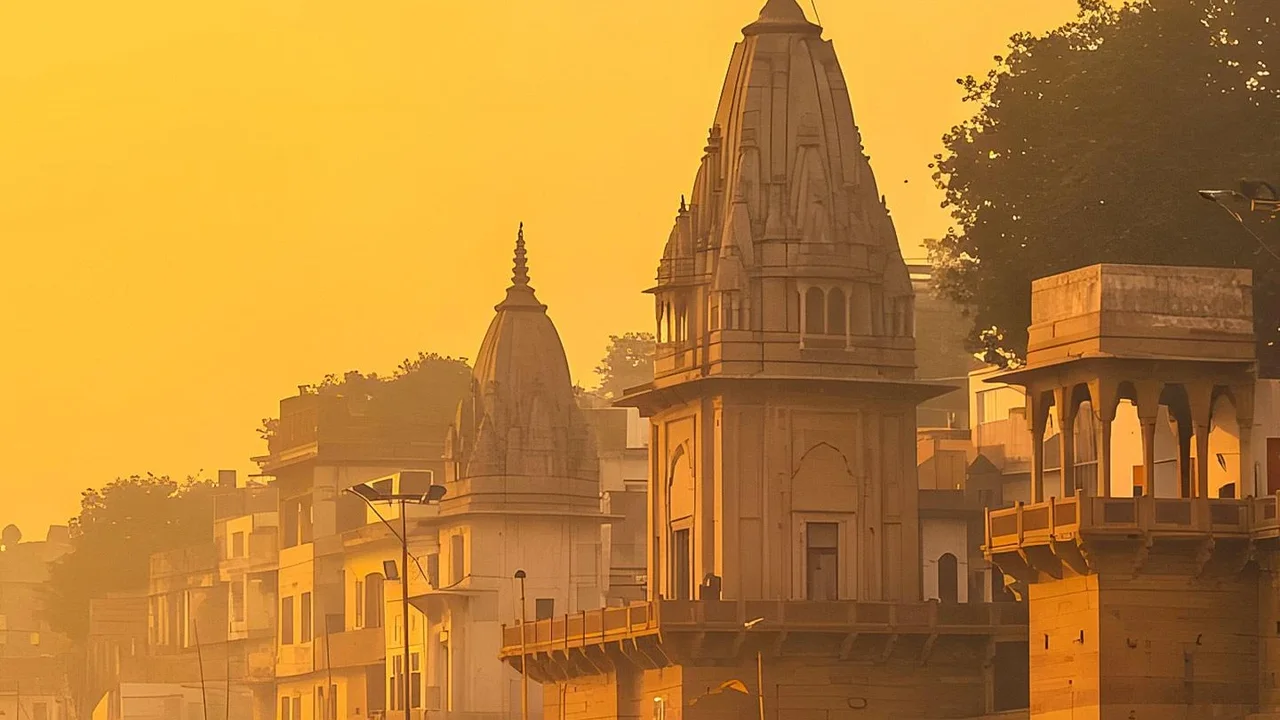
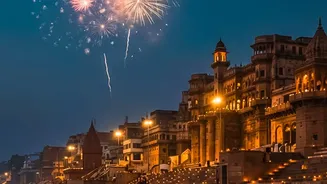
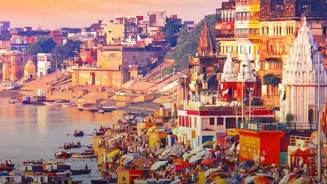
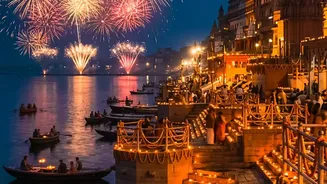
Gandhi Ghat, located near the National Institute of Technology (NIT) campus, is one of Patna’s most revered and well-developed riverfronts. Steeped in history, it is famously where Mahatma Gandhi's ashes were immersed. During Chhath, this ghat pulses with an intense, traditional energy. It is known for its grand Ganga Aarti, which takes on a special significance during the festival. The atmosphere here is classic and deeply spiritual, with thousands of families lining the steps and the promenade. Its paved areas and good lighting make it accessible, but its popularity means it becomes extremely crowded. For a unique vantage point, the MV Ganga Vihar, a floating restaurant, often provides a view from the river itself, though access during peak ritual times can be limited. Expect a sea of devotees, the air thick with devotional songs and the scent of incense. This ghat is for those who want to immerse themselves in the most traditional and photographed version of Patna's Chhath.
Patliputra Ghat: Modern Comfort and Community
Part of the ambitious Ganga Riverfront Development project, Patliputra Ghat offers a more modern and organized Chhath experience. Located in the Digha area, it is known for its spaciousness, cleanliness, and well-managed facilities, often making it one of the busiest ghats in the city. The infrastructure here is newer, with wide promenades, designated changing rooms, and systematic crowd control, which can be reassuring for families and first-time visitors. The atmosphere, while still deeply devotional, can feel more orderly compared to the dense, organic crowds at older ghats. As one of the key locations in the Patliputra circle, which sees extensive preparations by the municipal corporation, this ghat provides a blend of tradition and convenience. It's an excellent choice for those who appreciate easier access and more breathing room while still being part of a massive community observance.
Which Ghat Should You Choose?
Your choice between Gandhi Ghat and Patliputra Ghat depends on the experience you seek. Choose Gandhi Ghat for its historical resonance and raw, unfiltered spiritual energy. It is the quintessential Chhath experience, ideal for photographers and those wanting to witness the festival in its most iconic setting. Be prepared for immense crowds and a deeply immersive atmosphere. Opt for Patliputra Ghat if you prioritize comfort, space, and organized facilities. It is a better choice for those with families, elderly members, or anyone who might find the sheer density of older ghats overwhelming. While still bustling, its modern design allows for a more manageable and accessible way to witness the rituals. Both ghats offer a profound glimpse into one of India's most unique festivals, showcasing the unwavering faith of millions.
Essential Tips for Visitors
To make the most of your visit, a few practical tips can help. For both Sandhya Arghya (Nov 15) and Usha Arghya (Nov 16), arrive several hours early to find a good spot, as traffic restrictions are common. Dress modestly and wear comfortable footwear suitable for walking on uneven and wet surfaces. Keep valuables to a minimum. Always be respectful of the 'vratis' (devotees observing the fast) and give them space to perform their rituals. The district administration sets up medical camps, temporary toilets, and watchtowers at major ghats. Follow official guidance, as some ghats may be declared unsafe due to water levels. Finally, embrace the spirit of the festival—it is a unique display of devotion, community, and gratitude that defines the cultural landscape of Bihar.