





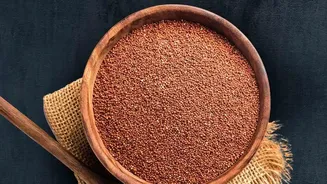
What Is This Ancient Super Grain?
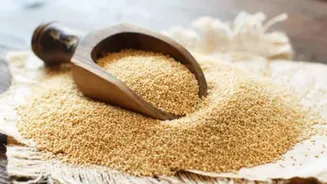
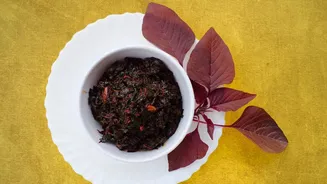
Amaranth is often called a grain, but it is technically a 'pseudocereal'—a seed from a different plant family to wheat or rice, but used in similar ways. Known as rajgira or ramdana in India, it has been a staple for thousands of years, prized for its
resilience and dense nutrition. Naturally gluten-free, amaranth has an earthy, nutty flavour and is packed with high-quality protein, fibre, and a host of minerals, making it a valuable addition to any diet. Its reputation as a 'superfood' is well-earned, as it provides a more complete nutritional profile than many common grains.
The Power Trio for Bone Health
Strong bones require more than just calcium. They need a team of nutrients working together, and amaranth delivers. It is an excellent plant-based source of calcium, which is the primary building block of our skeletal system. But it is also rich in two other crucial minerals: magnesium and phosphorus. Magnesium helps the body regulate and absorb calcium, while phosphorus is another key component of the bone mineral matrix. A single cup of cooked amaranth can provide a significant portion of your daily needs for these minerals, offering a powerful combination for bone maintenance and strength.
More Than Just Minerals
The benefits of amaranth for bone nutrition extend beyond its mineral content. It contains lysine, an essential amino acid that is less common in other grains. Studies suggest that lysine plays a role in helping the body absorb calcium, making the calcium in amaranth more effective. Furthermore, amaranth is a source of complete protein, containing all nine essential amino acids. Protein forms the flexible framework of our bones, providing the structure that minerals then harden. A diet sufficient in high-quality protein is therefore essential for maintaining bone integrity.
Starting Your Day with Amaranth
Incorporating amaranth into your breakfast is a simple and effective way to support your bone health. One of the easiest methods is to prepare a warm porridge. Simmer one part amaranth with two to three parts water or milk for about 20-25 minutes until it becomes creamy. This porridge can be customised to your taste. For a sweet start, add fresh fruit, nuts, seeds, and a drizzle of honey or maple syrup. For those who prefer a savoury morning meal, amaranth porridge can be seasoned with salt, spices, and topped with sautéed vegetables, much like a traditional upma or dalia.
Simple Ways to Add Rajgira to Your Diet
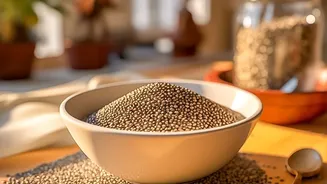
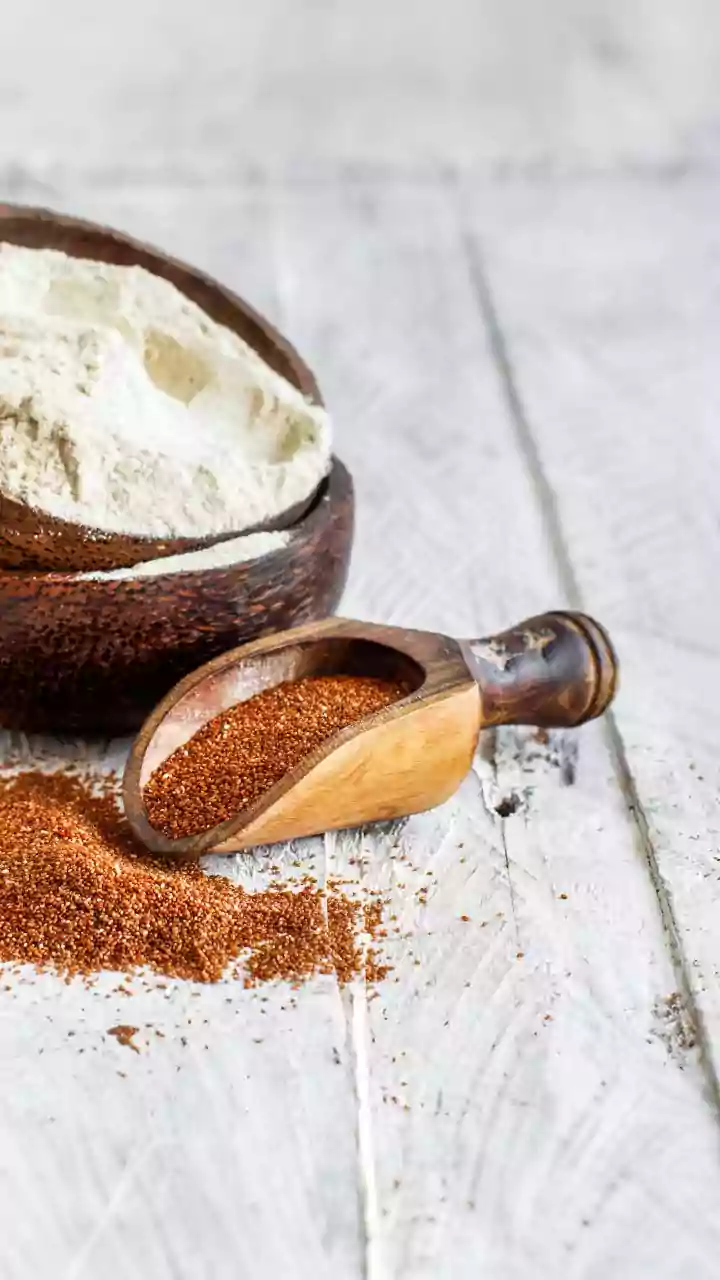
Beyond porridge, amaranth is incredibly versatile. You can add cooked amaranth seeds to your morning smoothie for a protein and fibre boost. Amaranth flour, or rajgira atta, can be used to make nutritious cheelas (pancakes) or added to your regular roti dough. Popped amaranth, which has a light, crunchy texture, makes a fantastic topping for yoghurt or fruit bowls and can be used to make homemade chikki or energy bars. These simple swaps can help you effortlessly increase your intake of this bone-supporting seed.