



Why Your Pet's Dental Health Matters
Dental disease is one of the most common medical conditions affecting cats and dogs. By the time they are three years old, a vast majority of pets show some signs of periodontal disease. This isn't just about bad breath or yellow teeth. When plaque and tartar
build up, they cause inflammation and infection in the gums. If left untreated, this can lead to chronic pain, difficulty eating, and tooth loss. More alarmingly, bacteria from the mouth can enter the bloodstream and travel to vital organs, potentially causing serious damage to the heart, kidneys, and liver. Proactive dental care is a cornerstone of your pet's overall wellness and longevity.
Spotting the Silent Signs of Trouble
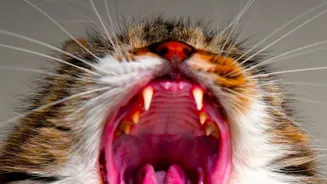
Pets are masters at hiding pain, so dental problems can progress quietly before becoming severe. As a pet owner, it's important to be vigilant for subtle clues that something is wrong. Common warning signs include persistent bad breath, yellow or brown tartar on the teeth, and red, swollen, or bleeding gums. You might also notice your pet drooling more than usual, dropping food while eating, chewing on only one side of their mouth, or pawing at their face. A reluctance to eat hard food or play with chew toys can also signal discomfort. Seeing any of these signs warrants a conversation with your vet.
What Happens During a Professional Dental Check
A professional dental assessment is far more comprehensive than what you can see at home. Because much of the dental disease occurs below the gumline, a thorough examination often requires anesthesia. This allows the veterinarian to safely and painlessly inspect every tooth, check for pockets in the gums, and take dental X-rays to see the hidden tooth structure. The procedure typically involves using an ultrasonic scaler to remove hardened plaque and tartar from above and below the gumline. After scaling, the teeth are polished to smooth the surface, which helps prevent new plaque from sticking. If any teeth are found to be severely damaged or diseased, extractions may be recommended to relieve pain and prevent further infection.
The Long-Term Benefits of Preventative Care
Investing in regular dental cleanings can have a significant positive impact on your pet's quality of life and can even save you money on more extensive procedures down the road. By catching issues early, you can prevent the progression of periodontal disease, avoid painful infections, and spare your pet from tooth extractions. Many owners report that their pets seem happier and more energetic after a dental cleaning, a clear sign of relief from chronic pain. Ultimately, maintaining good oral hygiene helps protect your pet's vital organs from the systemic effects of dental bacteria, contributing to a longer, healthier life.
At-Home Care to Support a Healthy Mouth
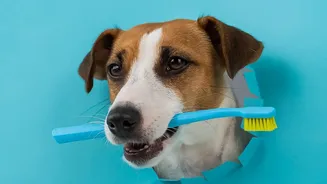
Between professional cleanings, at-home care is the single most effective way to maintain your pet's oral health. Brushing your pet's teeth daily, or at least several times a week, is the gold standard for removing plaque. Always use a toothpaste specifically formulated for pets, as human toothpaste can be toxic to them. If brushing isn't feasible, there are other helpful options. Dental wipes, food and water additives, and dental gels can help reduce bacteria. Additionally, specially designed dental chews and toys that are approved by the Veterinary Oral Health Council (VOHC) can help scrape away plaque through mechanical action. Combining these at-home strategies with annual vet checks provides a powerful defense against dental disease.