





The Global AI Gold Rush
The world is in a frantic race to build the infrastructure that powers artificial intelligence. Tech giants and entire nations are investing hundreds of billions of dollars to construct massive data centers. At the heart of this boom are highly specialized
components, particularly Graphics Processing Units (GPUs) from companies like Nvidia. This isn't a gradual upgrade; it's an urgent, global build-out. The demand for these components is so intense that orders for advanced chips and processors are already stretching two to three years into the future. This urgency is the primary driver of a new and powerful trend in global logistics.
Why It Has to Be Air
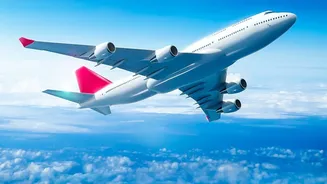
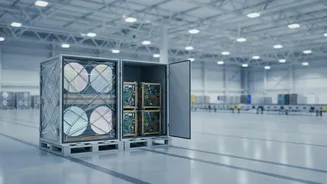
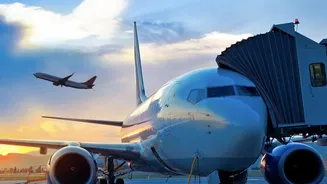
In logistics, the choice between sea and air is usually a simple trade-off between cost and speed. For AI components, however, the choice is clear. These aren't bulk commodities; they are small, delicate, and extraordinarily valuable. A single container of AI processors can be worth tens of millions of dollars. More importantly, they are extremely time-sensitive. With data center construction on tight schedules, a delay of even a few days can cost far more than the premium for air transport. Consequently, the high value, fragility, and critical timeline for AI hardware make air freight the only viable option, fundamentally changing the type of cargo filling planes.
Asia as the Epicenter
This logistics boom is centered squarely on Asia. The region is the world's workshop for the AI revolution. Taiwan is the hub of cutting-edge chip production, largely through manufacturing giants like TSMC. South Korea is a leader in the advanced memory chips essential for AI servers, with companies like Samsung and SK Hynix playing a crucial role. Meanwhile, countries like Malaysia, Thailand, and Vietnam are becoming vital for assembly and other components. This concentration of manufacturing means the new trade routes for AI all originate in Asia, with cargo planes departing from hubs in Taipei, Seoul, and Singapore destined for North America and Europe.
A Windfall for Airlines
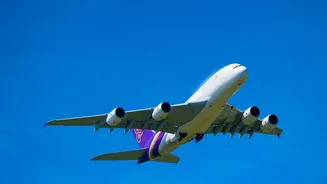
The impact on Asian airlines has been dramatic and swift. In a surprising reversal, AI-related cargo has replaced e-commerce as the main growth engine for many carriers. Korean Air Lines reported a 46% surge in cargo revenue in the second quarter, driven almost entirely by AI chips and server racks. For Taiwan's EVA Air, AI-related shipments now account for up to half of its cargo revenue. This new demand has been a windfall, helping carriers offset rising jet fuel costs and driving cargo revenues to their highest levels in over three years, rivaling the peaks seen during the pandemic. Airlines are responding by redesigning their networks, adding freighter services that connect semiconductor hubs like Taipei and Bangkok directly with global markets.
The New Shape of the Market
The AI boom is not just adding volume; it's reshaping the entire air freight market. The surge in demand from tech has caused air freight rates on key trans-Pacific routes to spike. Cargo hubs like Taipei's Taoyuan International Airport have reportedly been filled to capacity. While AI-related goods make up a small fraction of total air cargo volume—less than 10%—they account for a massively disproportionate share of the value. This is creating a ripple effect, with high-priority AI shipments sometimes displacing other goods. The trend is expected to persist, as the build-out of AI infrastructure is a multi-year project, ensuring that the skies above Asia will remain busy carrying the physical building blocks of the digital future.