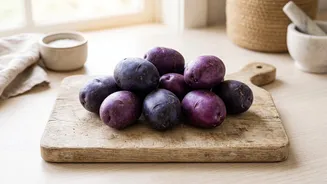







The humble potato, a staple in countless Indian kitchens, is getting a vibrant and healthy makeover. Meet Kufri Jamunia, a new potato variety whose striking purple flesh isn't just for show—it signifies a powerhouse of beneficial nutrients.
An Indian Innovation in a Staple Crop
Kufri Jamunia
is a biofortified purple potato variety developed by the ICAR–Central Potato Research Institute (CPRI) in Shimla and officially released in 2024. Biofortification is the process of using conventional plant breeding to improve the nutritional content of crops. This innovation aims to tackle 'hidden hunger', a form of malnutrition where people get enough calories but lack essential vitamins and minerals. Unlike previous coloured varieties like Kufri Neelkanth (purple skin, white flesh) and Kufri Manik (red skin, yellow flesh), Kufri Jamunia boasts a deep purple colour through both its skin and flesh, a direct result of its unique genetic makeup. Developed for cultivation in the North Indian plains, this medium-maturing variety yields an impressive 32-35 tonnes per hectare.
The Power of Purple: Understanding Anthocyanins
The brilliant purple hue of Kufri Jamunia comes from high concentrations of anthocyanins, the same natural pigments found in foods like blueberries and jamun. Anthocyanins are powerful antioxidants, which are compounds that help protect the body's cells from damage caused by harmful molecules called free radicals. A diet rich in anthocyanins is associated with a wide range of health benefits, including anti-inflammatory properties and a reduced risk of various chronic conditions. Studies suggest these compounds may play a role in improving cardiovascular health, brain function, and protecting against type 2 diabetes. Kufri Jamunia contains a significant amount of these antioxidants, with about 42 mg per 100 grams of flesh.
More Than a Colour: The Role of Carotenoids
Beyond its purple pigments, Kufri Jamunia is also a source of carotenoids. These are another group of antioxidants responsible for the yellow, orange, and red colours in many fruits and vegetables. The most well-known benefit of carotenoids is their role in eye health. Two specific carotenoids, lutein and zeaxanthin, are found in the human retina and help protect the eyes by filtering harmful blue light, potentially reducing the risk of age-related macular degeneration. Furthermore, some carotenoids, like beta-carotene, can be converted by the body into vitamin A, an essential nutrient for a healthy immune system, growth, and vision. Kufri Jamunia contains about 161 micrograms of carotenoids per 100g, adding another layer to its impressive nutritional profile.
A Nutrient-Dense Addition to Your Plate
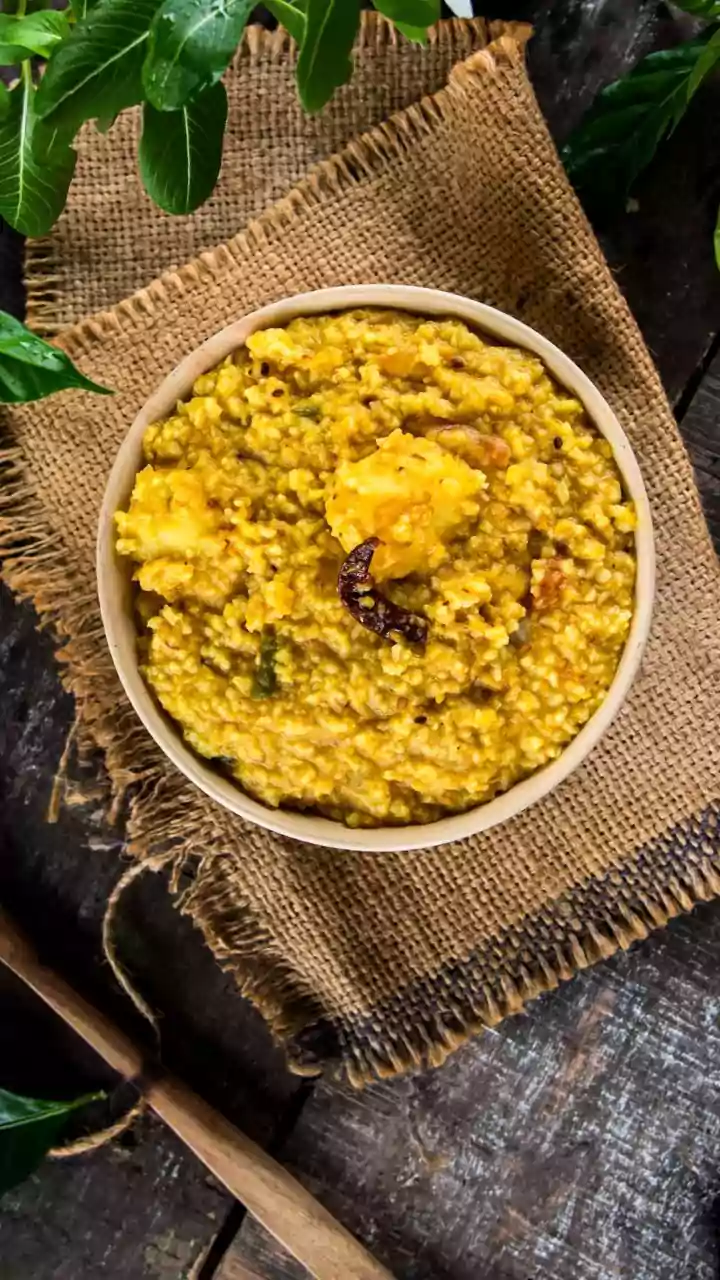
The combination of these phytonutrients makes Kufri Jamunia more than just a source of carbohydrates. It is a functional food that delivers enhanced nutritional value in a familiar package. Compared to regular potatoes, it also boasts significantly higher levels of Vitamin C, zinc, and iron. Its mealy texture and pleasant taste make it versatile for a variety of Indian dishes, from parathas and puris to curries and processed foods like potato flour. This means families can incorporate these added health benefits into their daily meals without drastically changing their eating habits. The development of such a crop provides a powerful, food-based approach to improving dietary diversity and strengthening nutritional security across the country.